

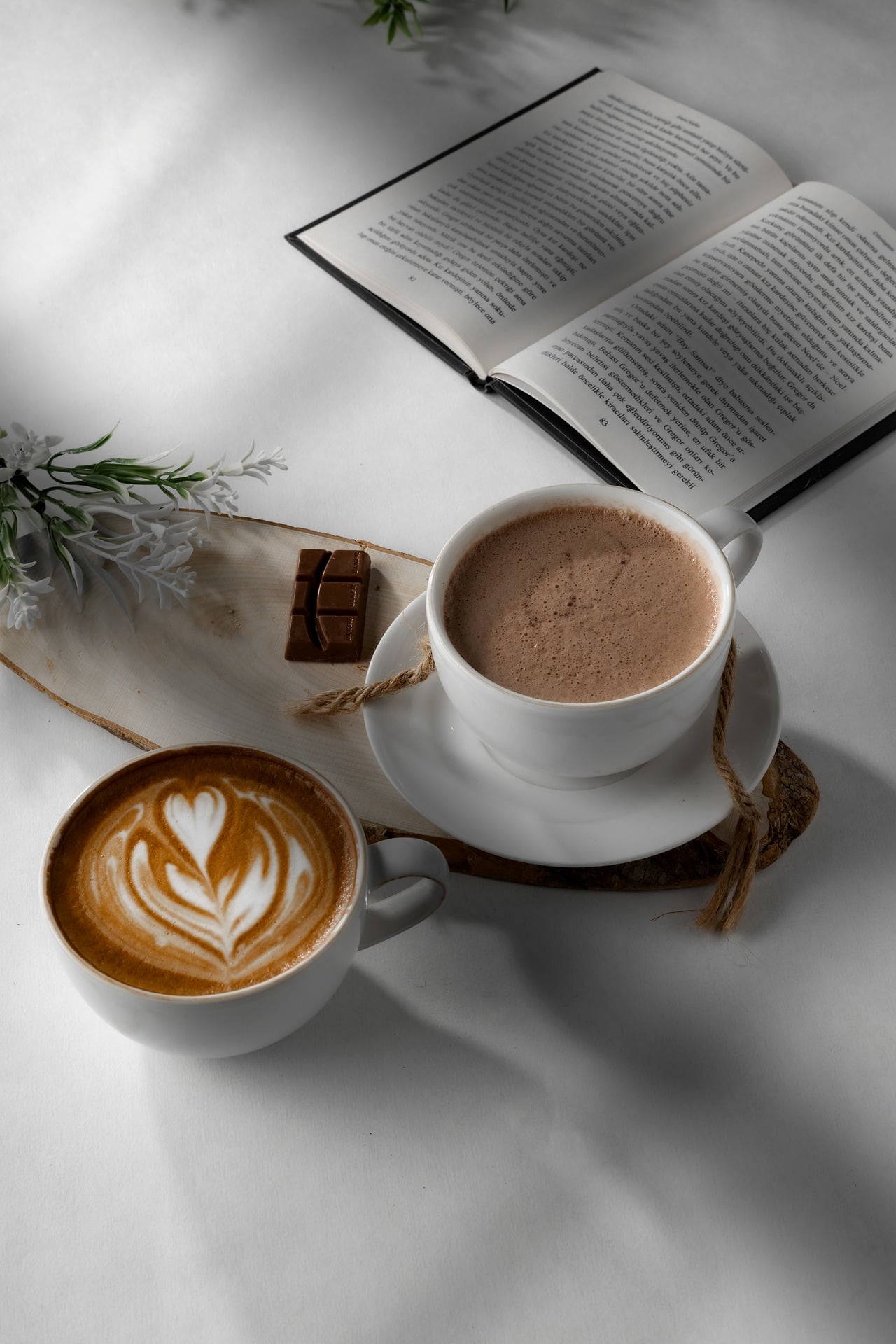
Mocha vs latte is one of those coffee shop questions that sounds simple until you’re the one holding the menu. The short version: a latte is espresso and steamed milk, while a mocha is that same drink with chocolate stirred into the espresso. Everything you’ll taste, feel, and pay for follows from that single addition, and the mocha vs latte call really depends on whether you want your coffee to taste like coffee or like dessert.
Table of Contents
Mocha vs latte: the short answer
Mocha vs latte comes down to one ingredient: chocolate. A latte is a shot or two of espresso topped with steamed milk and a thin cap of microfoam. A mocha is the same drink with chocolate syrup (or actual melted chocolate at the better cafes) added to the espresso before the milk goes in. The chocolate changes everything downstream: sweetness, color, calorie count, mouthfeel, even how the drink pairs with food. That’s the whole mocha vs latte question in one paragraph, and everything below explains why that one ingredient matters more than it sounds like it should.
What is a latte?
A latte, short for caffè latte (Italian for “milk coffee”), is one of the simplest espresso drinks on any menu. The recipe is a 1:3 or 1:4 ratio of espresso to steamed milk, finished with about a centimeter of foamed milk on top. That’s it. No sugar, no syrup, no chocolate, no cinnamon. The milk mellows the espresso’s bitterness and dilutes its intensity, so the drink reads as coffee-forward but smooth, with the espresso’s flavor still clearly present.
Because the base is so simple, a latte is where you actually taste the espresso. If the beans are stale or the shot pulled poorly, a latte will tell you honestly. This is also why lattes work as a canvas for flavored syrups (vanilla, caramel, hazelnut) or seasonal add-ins: baristas assume you might want to modify it, whereas a mocha is already a modification. The classic Italian version leans smaller and coffee-heavy, a 6-ounce cup with a single shot. The American cafe version drifted larger and milkier (12, 16, sometimes 20 ounces), which is why an “American latte” can taste noticeably milder than the Italian original. Britannica’s overview of coffee covers the espresso family and its variants in more depth if you want the technical background.
What is a mocha?
A mocha, sometimes called a caffè mocha or mochaccino, is a latte with chocolate. The build order matters: chocolate syrup (or ganache) goes into the cup first, espresso pulls directly onto it and dissolves the chocolate, then steamed milk fills the cup and a small foam cap finishes it. Whipped cream is optional but common in American cafes.
On the mocha vs latte axis, this is the sweet, dessert-adjacent end of the spectrum. The chocolate does two things at once. First, it adds sweetness: a small mocha typically carries 20 to 30 grams of sugar from the syrup alone, before any whipped cream. Second, it changes the drink’s character from a milk-and-coffee balance to a milk-coffee-chocolate braid where each ingredient supports the others. That’s why some people who don’t drink black coffee still love mochas. The chocolate hides what they don’t want to taste. The name itself comes from Mocha, a Yemeni port that shipped some of the first commercially exported coffee; Yemeni beans had a natural cocoa-like note in the cup, which is why “mocha” eventually got attached to the chocolate-coffee combination we know today.
Mocha vs latte: 5 key differences
When people compare mocha vs latte in detail, five practical differences do most of the work. Here they are side by side:
- Chocolate. A latte has none. A mocha has chocolate syrup, cocoa powder, or melted chocolate mixed into the espresso before the milk. That single ingredient drives every other difference below.
- Sweetness. A plain latte is barely sweet – only the natural lactose from milk. A mocha typically carries 20 to 30 grams of added sugar from the chocolate, plus optional whipped cream on top.
- Calories. A 12-ounce latte with whole milk runs around 180 calories. A 12-ounce mocha with the same milk runs 290 to 350 calories depending on the whipped cream and syrup portion.
- Color. A latte looks pale tan or light beige. A mocha looks noticeably darker, sometimes closer to chocolate-brown depending on how much cocoa the barista uses.
- Best food pairing. A latte pairs cleanly with almost any pastry or breakfast food. A mocha is dessert on its own and pairs better with something plain (a scone, biscotti, buttered toast) so the sweetness doesn’t stack.
When to order a mocha vs latte
The mocha vs latte decision usually comes down to two questions: do you want your coffee to taste like coffee, or do you want a treat? A latte gives you the coffee-forward experience with the volume and warmth of a drink you can sip for twenty minutes. A mocha gives you dessert in a cup, which is exactly what some afternoons call for.
There’s a rough analogy that helps line up the two drinks. Just like the difference between dry wine and sweet wine, the mocha vs latte call is really about how much sweetness you want alongside the base flavor. A latte is dry-side coffee territory: you taste the espresso first, and the milk rounds it out without adding sugar. A mocha is squarely in the sweet-drink camp, with the chocolate doing most of the tasting work while the espresso plays support. Neither is “correct.” They serve different moods.
Some real-world factors that swing the decision:
- If you’re already eating something sweet (croissant, cinnamon roll, muffin), a latte is the better match. If you’re eating something plain or savory, a mocha adds the sweetness the meal doesn’t have.
- If you’re avoiding added sugar, a latte is the obvious pick. Even the smallest mocha adds 20-plus grams of sugar you didn’t have to add yourself.
- If you’re new to specialty coffee and used to sweeter drinks (frappes, hot chocolate), a mocha is a gentler entry point than a straight latte or espresso.
- If you’re a serious coffee drinker who wants to actually taste the beans, order a latte. The mocha’s chocolate will drown the flavor notes of a good espresso before you can pick them out.
Which has more caffeine and calories?
Caffeine is usually a tie. Both drinks start with the same shot count (one or two shots of espresso depending on the size), and the chocolate in a mocha adds only a marginal amount of caffeine from the cocoa. A 12-ounce mocha vs latte comparison puts both drinks around 150 to 180 mg of caffeine, essentially indistinguishable.
Calories are where the mocha vs latte gap widens. Rough numbers per 12-ounce serving with whole milk:
- Latte: ~180 calories, 15 g sugar (all from lactose), 10 g fat.
- Mocha, no whipped cream: ~290 calories, 30 g sugar (mostly added), 12 g fat.
- Mocha with whipped cream: ~340 to 370 calories, 35 g sugar, 18 to 20 g fat.
Switch to skim milk and both drop by 40 to 60 calories. Switch to a nondairy milk (oat, almond, soy) and the calorie profile depends heavily on which brand the cafe uses. Some are lower, some higher, and a sweetened oat milk in a mocha can push the sugar total past 40 grams. Ordering with unsweetened oat or almond milk closes some of the gap.
Frequently asked questions
Is a mocha stronger than a latte?
Not in caffeine. Both drinks use the same espresso shots, so the caffeine is essentially identical. When a mocha tastes “stronger” than a latte, that’s usually the chocolate creating a bigger overall flavor impression rather than adding actual caffeine punch. If you want more caffeine, order a second shot (either drink); the chocolate isn’t going to get you there.
Can you order a mocha without whipped cream?
Yes, always. Whipped cream is a garnish, not a defining ingredient. Most cafes will hold it if you ask. The mocha vs latte calorie gap shrinks substantially without it: you’re saving roughly 50 to 70 calories per serving. The core mocha (espresso, chocolate syrup, steamed milk) stays exactly the same, just without the top.
Which is better for someone new to espresso drinks?
A mocha, in most cases. The chocolate smooths over the espresso’s bitterness and gives new coffee drinkers something familiar to anchor to. A plain latte demands you actually enjoy the taste of coffee itself, which is a bigger leap coming from cappuccino, hot chocolate, or nothing. Once your palate adjusts, most people migrate toward the latte side of the mocha vs latte spectrum, or move on to macchiatos and cortados.
The bottom line
The mocha vs latte decision is really about one thing: how much you want your coffee to taste like coffee. A latte is espresso, steamed milk, and nothing to hide behind. A mocha is that same base with chocolate stirred in to soften the coffee flavor and add sweetness. Both use the same espresso, so caffeine is a wash; the calorie and sugar gap is the real trade-off. Remember the one-line version – chocolate or no chocolate – and every other mocha vs latte question follows from there.

