

The difference between coffee versus espresso is fundamental to understanding what you’re drinking when you order at a cafe. While both come from the same coffee beans, the difference between coffee versus espresso lies in brewing method, concentration, and how the extraction process works. Understanding the difference between coffee versus espresso helps you appreciate why they taste different and why they deliver caffeine differently to your body. In this guide, we’ll explore what makes each unique and how the difference between coffee versus espresso matters to your daily cup.
Table of Contents
What is Espresso?
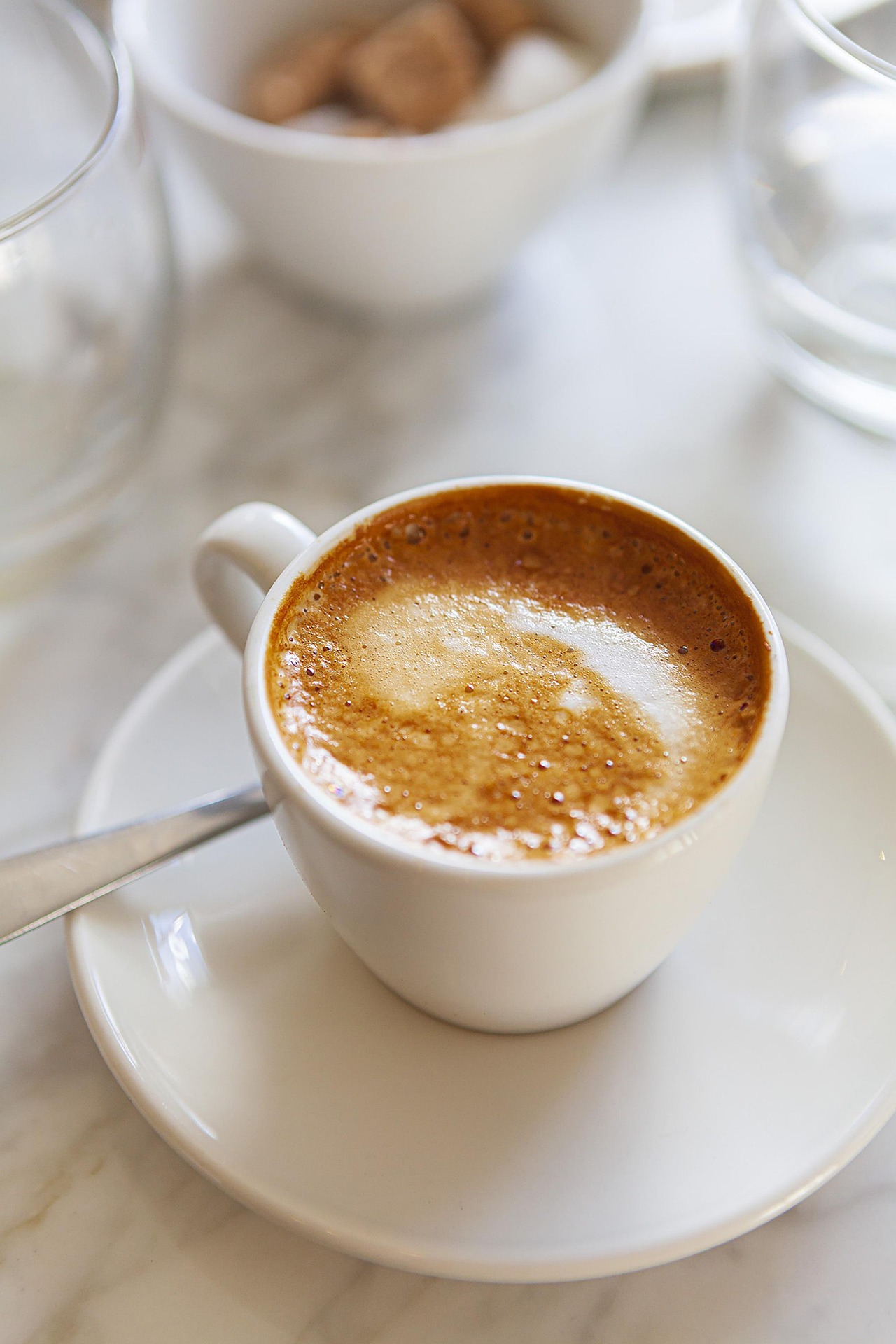
Espresso is a concentrated coffee beverage made by forcing hot water under high pressure through finely ground coffee. An espresso machine uses approximately 9 bars of pressure (about 130 pounds per square inch) to push nearly boiling water through a compacted puck of coffee grounds in 25-30 seconds. This rapid extraction produces a small, concentrated shot – typically 1 ounce or 30 milliliters—with a distinctive layer of crema (rich, brown foam) on top. The high pressure and short extraction time mean espresso pulls more oils and compounds from the coffee grounds than other brewing methods, creating its bold, intense flavor profile. According to the BBC Science Focus guide to brewing coffee, water temperature between 90-96°C is essential for proper extraction.
A single espresso shot contains approximately 64 milligrams of caffeine, making it highly concentrated. However, the difference between coffee versus espresso becomes clear when comparing total servings: most people drink an entire cup of coffee, not just a shot of espresso. The espresso machine itself is a specialized piece of equipment requiring skill to operate correctly, with variables like grind size, tamp pressure, and water temperature all affecting the final shot quality.
You can also see what’s different from mocha-vs-latte.
What is Drip Coffee?
Drip coffee (or filter coffee) is made by pouring hot water over coarsely ground coffee beans in a filter. Gravity pulls the hot water down through the grounds over several minutes, extracting flavors more slowly and gently than espresso’s high-pressure method. A typical 8-ounce cup of drip coffee contains approximately 95 milligrams of caffeine, nearly 50% more than a single espresso shot. The slower extraction process creates a lighter-bodied beverage with subtle, nuanced flavors that highlight the coffee’s origin and roast characteristics.
Drip coffee is made using simple equipment – a coffee maker, filter, and heat source—making it accessible and straightforward to brew at home. Water temperature should be between 90-96°C, similar to espresso, but the longer contact time (several minutes versus 25-30 seconds) changes how flavors and caffeine are extracted. The difference between coffee versus espresso in preparation means drip coffee requires patience but little skill, while espresso demands technical precision.
Coffee Versus Espresso Comparison
| Feature | Espresso | Drip Coffee |
| Brewing Method | High-pressure forced extraction | Gravity-based drip brewing |
| Water Temperature | 90-96°C (194-205°F) | 90-96°C (194-205°F) |
| Pressure Used | 9 bars (~130 psi) | None (gravity only) |
| Extraction Time | 25-30 seconds | 4-6 minutes |
| Coffee Grind | Very fine | Coarse |
| Typical Serving Size | 1-2 ounces (single or double shot) | 8-12 ounces |
| Caffeine per Serving | 64 mg (single shot) | 95 mg (8 oz cup) |
| Caffeine Concentration | 2.12 mg/ml (very high) | 0.40 mg/ml (moderate) |
| Flavor Profile | Bold, intense, concentrated | Smooth, nuanced, balanced |
| Equipment Needed | Espresso machine | Coffee maker, filters |
| Skill Level | Moderate-to-high | Low |
| Base for Other Drinks | Lattes, cappuccinos, macchiatos | Americano, pour-overs |
Caffeine Concentration vs Total Content
One of the most misunderstood aspects of the difference between coffee versus espresso is caffeine content. Espresso has a much higher caffeine concentration per milliliter of liquid – approximately 2.12 mg per ml compared to drip coffee’s 0.40 mg per ml. However, the difference between coffee versus espresso in total caffeine per serving favors drip coffee because of serving size. A 1-ounce espresso shot contains 64 mg of caffeine, while an 8-ounce cup of drip coffee contains 95 mg. To get the same caffeine as one cup of coffee, you would need nearly three espresso shots.
This distinction matters if you’re concerned about caffeine intake. The difference between coffee versus espresso means that a single espresso is a concentrated caffeine hit in a small package, while drip coffee delivers moderate caffeine over a longer drinking period. Some people find the quick caffeine boost from espresso more noticeable, while others prefer the sustained energy from a full cup of coffee. The difference between coffee versus espresso in how you feel depends on both the total caffeine and how quickly your body absorbs it.
Flavor and Taste Differences
The difference between coffee versus espresso in taste reflects their different brewing methods. Espresso’s high pressure and rapid extraction create an intense, concentrated flavor with bold notes and a bitter-sweet balance. The crema on top adds richness and a slightly oily mouthfeel. The difference between coffee versus espresso in flavor makes espresso suitable as a base for milk-based drinks like lattes and cappuccinos, where the strong espresso cuts through the steamed milk. Specialty coffee drinkers often debate whether the difference between coffee versus espresso showcases the bean’s origin better—some argue espresso’s intensity obscures subtle flavors, while others say it highlights complexity.
Drip coffee’s slower, gentler extraction brings out delicate, nuanced flavors and acidity that high-pressure brewing suppresses. You can taste differences between single-origin beans, roast levels, and brewing techniques much more clearly in drip coffee. The difference between coffee versus espresso becomes a choice between bold intensity and subtle complexity—neither is objectively better, just different expressions of the coffee bean.
Frequently Asked Questions
Is the difference between coffee versus espresso just the serving size?
No. While serving size is one difference, the brewing methods are fundamentally different. The difference between coffee versus espresso includes pressure (espresso uses 9 bars, drip uses none), extraction time (30 seconds versus several minutes), and grind size (fine versus coarse). These factors create distinct flavor profiles and chemical compositions, not just different concentrations of the same beverage.
Can I make espresso without an espresso machine?
Not true espresso, because you cannot replicate the 9-bar pressure with manual methods. You can make strong coffee using other methods like a Moka pot or AeroPress, but these don’t produce genuine espresso. The difference between coffee versus espresso is tied to that specific pressure requirement, which is why espresso is defined by its brewing method, not just strength or appearance.
Understanding Your Coffee Choice
Whether you prefer espresso or drip coffee, understanding the difference between coffee versus espresso deepens your appreciation for what you’re drinking. The difference between coffee versus espresso reflects centuries of coffee culture evolution—espresso emerged in early 20th-century Italy as a faster way to brew, while drip methods remain popular worldwide for their simplicity and flavor clarity. Neither is superior; they’re different tools for different moments and tastes.
Your local cafe likely offers both, and exploring the difference between coffee versus espresso across different roasts and origins helps you discover what resonates with your palate. Some days you’ll want espresso’s intensity; other days, drip coffee’s comfort will be exactly right. The difference between coffee versus espresso is really about having options to suit your mood, time, and taste.

