

Comparing baptist vs catholic reveals significant theological and practical differences between these Christian denominations. While both baptist vs catholic traditions share Christianity’s core belief in Jesus Christ, they diverge on salvation doctrine, church authority, worship practices, and sacraments. Understanding these 7 key distinctions helps clarify how different Christian traditions approach faith and worship.
Table of Contents
What is the Baptist Church?
The Baptist church is a Protestant denomination emphasizing individual faith, congregational autonomy, and biblical authority. Baptists believe salvation comes through personal faith in Jesus Christ’s death and resurrection, not through rituals or church membership. The Baptist tradition values “soul competency” – each believer’s personal relationship with God and responsibility for their own salvation. Baptist congregations are independently governed, with no central pope or hierarchy dictating doctrine. Each Baptist church interprets scripture and makes decisions democratically. Baptists practice adult baptism by immersion, symbolizing personal conversion and commitment to Christ. Baptist worship emphasizes Bible preaching, contemporary music, and congregational participation.
What is the Catholic Church?
The Catholic church is a hierarchical worldwide denomination led by the Pope, centered in Vatican City. Catholics believe salvation involves faith working together with good works, beginning with baptism and continuing through church sacraments throughout life. The Catholic tradition emphasizes apostolic succession – the authority of bishops and the Pope descending from the Apostles. Church tradition and biblical interpretation are authoritative, not personal interpretation. Catholics practice infant baptism as a sacrament cleansing original sin. Worship centers on the Mass (Eucharist), a formal liturgical service with specific prayers, scripture readings, and communion. Catholics venerate saints and Mary as intercessors. A authoritative comparison of Baptist and Catholic traditions explains theological foundations and historical development.
7 Fundamental Differences: Baptist vs Catholic
The differences between baptist vs catholic theology and practice span multiple dimensions. Baptist vs Catholic traditions both trace roots to Christian theology but diverge significantly compared to completely different world religions:
| Doctrine | Baptist | Catholic |
| Salvation mechanism | Faith in Christ alone (sola fide) | Faith plus good works and sacraments |
| Church authority | Democratic congregational governance | Hierarchical with papal authority |
| Scripture vs Tradition | Bible is sole authority (sola scriptura) | Bible and Church tradition both authority |
| Baptism age and method | Adults only, by full immersion | Infants and adults, sprinkling or immersion |
| Baptism purpose | Public profession of faith | Sacrament cleansing original sin |
| Communion/Eucharist | Symbolic memorial of Christ’s sacrifice | Transubstantiation (bread becomes Christ’s body) |
| Mary and saints | Respect only, no prayers directed to them | Veneration and intercessory prayers to them |
| Priesthood structure | No formal clergy distinction | Ordained priests are required for sacraments |
| Worship style | Informal, Bible-centered preaching | Formal liturgy, traditional rituals |
Salvation Theology and 3 Core Differences
The most fundamental theological difference between baptist vs catholic centers on how salvation occurs. Baptists teach “sola fide” (faith alone) – salvation comes exclusively through personal faith in Christ’s death and resurrection, not through rituals or church membership. Catholics teach that salvation involves faith plus good works and participation in church sacraments. For catholics, baptism (the sacrament), confession, and participation in mass are integral to salvation.
Baptists reject the idea that rituals or good works contribute to salvation. This distinction shapes how believers practice their faith daily. Baptist practice emphasizes personal choice and direct relationship with God. Catholic practice emphasizes sacraments, church participation, and accumulation of grace through good works. Neither baptist vs catholic tradition claims the other group cannot be saved, but they fundamentally disagree on the mechanism.
Worship Practices and 4 Observable Differences
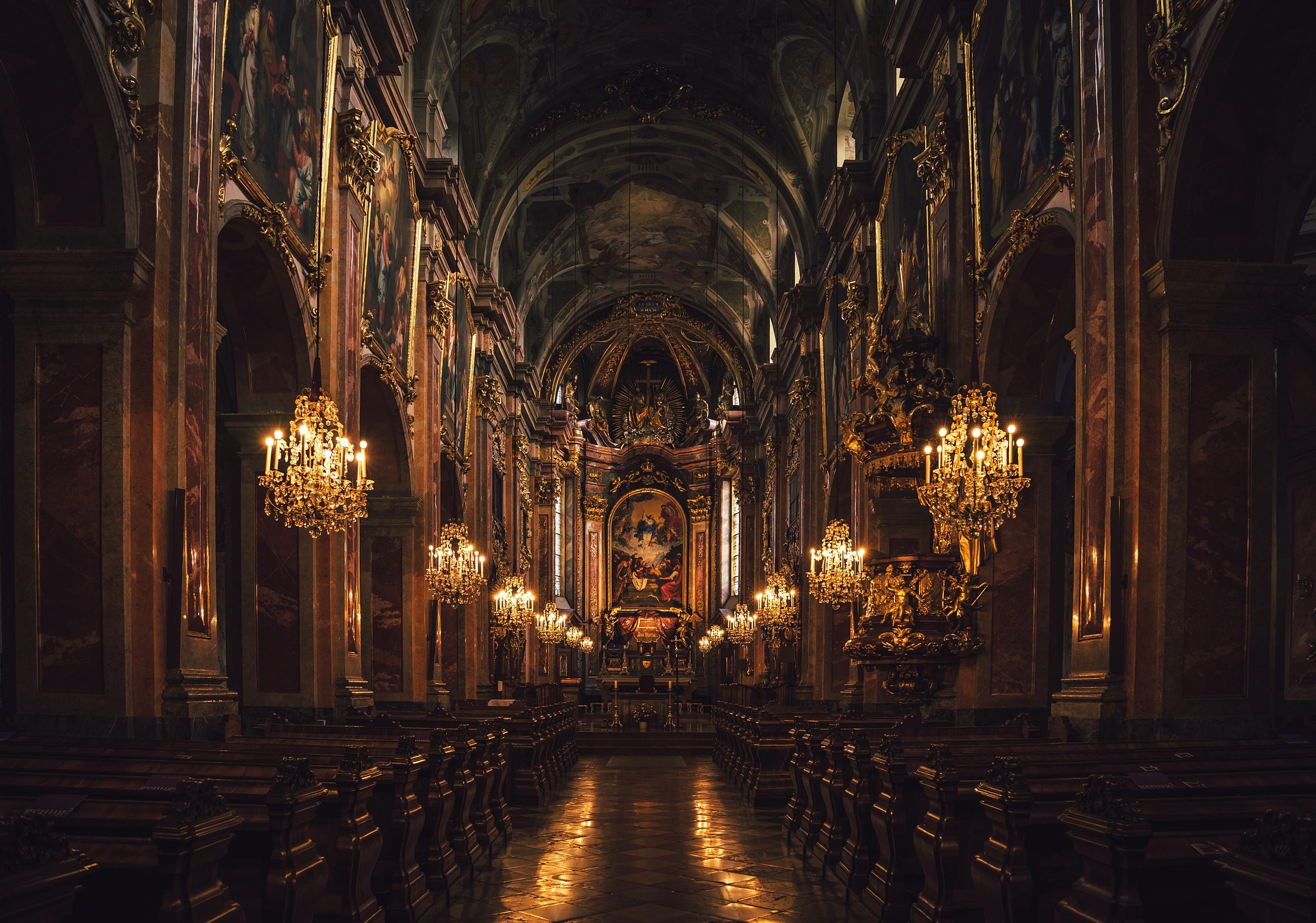
Walking into baptist vs catholic worship spaces reveals obvious practical differences. Baptist churches typically feature simple interiors focusing attention on the pulpit and preacher. Worship emphasizes Bible teaching with congregational singing. Services feel informal and spontaneous. Catholic churches display elaborate artwork, crucifixes, and statuary. Worship centers on the Mass with formal prayers, scripture readings at specific points, and the Eucharist ritual.
The priest leads worship while congregation participates in prescribed responses. Music is often traditional hymns or classical compositions. Baptist preachers command significant authority but lead democratic congregations. Catholic priests serve hierarchical authority structures. When comparing baptist vs catholic worship experience, baptists emphasize what’s preached, catholics emphasize what’s enacted ritually. Baptist infant baptism rejection contrasts sharply with Catholic sacramental baptism and christening practices in how foundational rites shape identity. Both approaches have devoted followers who find their worship style most meaningful.
Church Authority and 5 Governance Structures
Baptist vs catholic church governance structures reflect fundamentally different philosophies. Baptist congregations are autonomous, self-governing bodies. Each church votes on leaders, interprets doctrine, and makes decisions. No Baptist hierarchy exists above the local congregation. Baptist denominations (like Southern Baptist Convention) provide fellowship and resources but cannot mandate beliefs. Catholic governance is hierarchical with the Pope as supreme head, cardinals and bishops below, and priests leading local parishes. This structure claims authority descending from Jesus through the Apostles.
Catholics believe the pope has “full, supreme, and universal power” in matters of faith and discipline. Baptist vs catholic authority structures reflect different views on how God intended the church to be organized. Some find hierarchy comforting and authoritative. Others value congregational democracy and grassroots decision-making.
Frequently Asked Questions
Can someone be both Baptist and Catholic?
No – these are distinct denominational identities. Someone might practice elements of both traditions privately, but formal membership requires commitment to one denomination’s beliefs and practices. Some Christian traditions have ecumenical dialogue, but doctrinal differences remain substantial.
Do Baptists and Catholics consider each other “real” Christians?
Most modern theologians in both traditions recognize each other as Christian believers despite doctrinal disagreements. Historically there was more mutual rejection, but contemporary baptist vs catholic dialogue acknowledges genuine faith in Christ across denominational lines, even where practices differ.
Why do Baptists refuse infant baptism while Catholics require it?
Baptists believe baptism should follow personal faith commitment (believer’s baptism). Catholics believe baptism is a sacrament that cleanses original sin and benefits infants even before they can choose. This reflects baptist vs catholic differences on salvation timing and how grace operates.
Understanding Baptist vs Catholic for Informed Faith Choices
Exploring baptist vs catholic differences helps people make informed decisions about their own faith tradition. Neither denomination is inherently “better” – they offer different approaches to Christian practice. Some people find Catholic hierarchy, liturgy, and sacramental theology profoundly meaningful. Others connect more deeply with Baptist emphasis on personal faith, congregational autonomy, and biblical authority. Many grow up in one tradition and remain there. Others explore and switch based on how their faith develops. Understanding these 7 key distinctions between baptist vs catholic allows people to choose thoughtfully, knowing what they’re committing to. Interfaith understanding also promotes respect across traditions, acknowledging that sincere Christians express faith through different theological and practical frameworks.

