

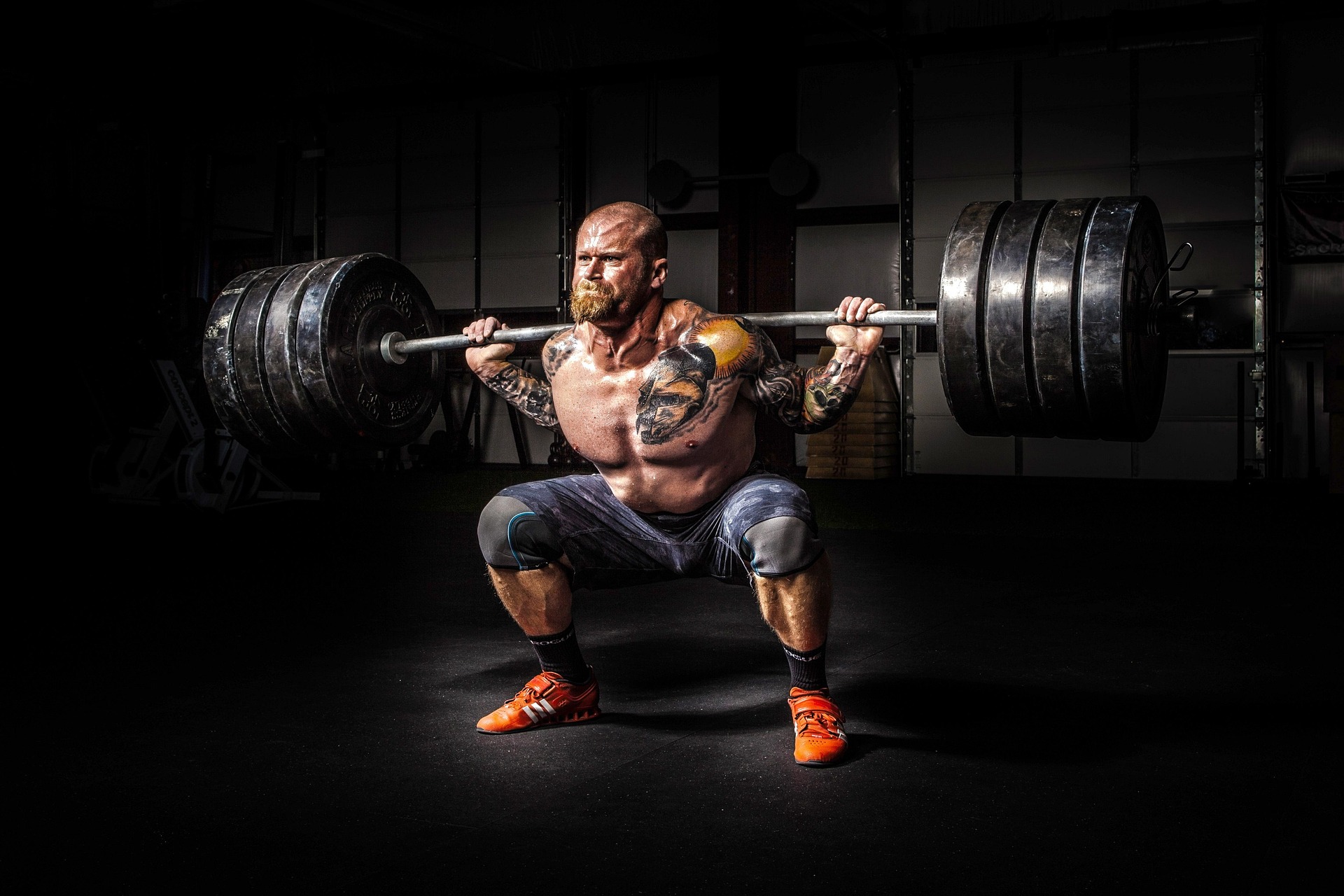
Strength athletes often ask about weightlifting vs powerlifting to understand which sport aligns with their fitness goals. While both weightlifting vs powerlifting involve lifting heavy loads, they differ fundamentally in competition lifts, training methods, and desired outcomes. Understanding the distinction between weightlifting vs powerlifting helps trainees select appropriate programming, set realistic goals, and build the strength or power they’re seeking.
Table of Contents
What is Olympic Weightlifting?
Olympic weightlifting, often called just “weightlifting,” centers on two explosive movements: the snatch and the clean and jerk. In the snatch, an athlete lifts a barbell from the floor to overhead in one continuous motion. The clean and jerk involves lifting the bar from the floor to the shoulders (clean), then pressing it overhead (jerk). Both movements require coordination, flexibility, and explosive power. Weightlifting competitions are governed by international standards and feature in the Olympics. Athletes train with lighter weights and higher repetitions compared to powerlifting to develop the explosive power needed for these technical lifts.
What is Powerlifting?
Powerlifting focuses on three fundamental strength movements: the squat, bench press, and deadlift. These lifts test maximal strength by requiring athletes to move the heaviest possible load for a single repetition. Powerlifting competitions score lifts based on total weight lifted across all three movements. Unlike weightlifting, powerlifting emphasizes raw strength rather than explosive power or technique. Powerlifters use heavier weights and lower repetitions during training. A comprehensive guide to powerlifting techniques explains how these three lifts build maximum strength.
5 Key Differences Between Weightlifting vs Powerlifting
The differences between weightlifting vs powerlifting extend beyond just the exercises performed. Here’s a detailed comparison:
| Factor | Weightlifting | Powerlifting |
| Competition lifts | Snatch, clean and jerk | Squat, bench press, deadlift |
| Primary focus | Explosive power and technique | Maximum absolute strength |
| Rep range (training) | 1-6 reps per set | 1-5 reps per set |
| Load used (training) | 60-90% of 1RM | 80-100% of 1RM |
| Movement complexity | Highly technical, multi-stage | Simpler, single-phase movements |
| Speed requirement | Very fast, explosive | Controlled, maximal force |
| Body coordination needed | Requires flexibility and agility | Requires stability and balance |
| Muscle groups targeted | Full body – legs, hips, shoulders, arms | Full body with leg, chest, and back emphasis |
| Training duration | Longer technical skill development | Faster skill acquisition possible |
3 Training Method Differences
Weightlifters and powerlifters train differently because their goals diverge. Weightlifters spend significant time on technique drills, practicing partial movements like high pulls, power cleans, and position work. This technical focus is essential because even small form deviations reduce performance. Powerlifters emphasize progressive strength gains by gradually increasing weight on core lifts. Their training includes accessory exercises like leg presses, incline bench, and rows to build specific muscle groups. Weightlifters incorporate more flexibility and mobility work, while powerlifters focus on strength-building accessory movements. Understanding these training differences shows why weightlifting vs powerlifting athletes follow distinct programming approaches.
4 Goals and Athlete Outcomes
The goals for weightlifting vs powerlifting athletes differ significantly. Weightlifting emphasizes executing complex movements with explosive speed and technical precision. Success means pulling yourself under a heavy barbell and standing up smoothly. Powerlifting focuses on moving the maximum possible weight in three fundamental patterns. Success equals absolute strength achievement. These differing goals shape how athletes assess progress. Weightlifters track total kilograms lifted and technique consistency. Powerlifters track their combined total from three lifts. For athletes considering weightlifting vs powerlifting, understanding these outcome measures helps determine which sport matches their strengths. Someone with great explosive power may excel at weightlifting. Someone with naturally high strength capacity may prefer powerlifting.
Getting Started: Weightlifting vs Powerlifting
Beginning weightlifting vs powerlifting training requires different commitments. Powerlifting is generally easier to start. The three lifts are simpler to learn and practice. Beginners can add weight and see rapid progress within weeks. Coaching is helpful but not always essential early on. Weightlifting has a steeper learning curve. The snatch and clean and jerk are technically demanding. Most athletes require dedicated coaching to learn proper form, and progress is slower initially. However, both weightlifting vs powerlifting communities are welcoming and supportive. Many gyms offer specialized coaching for either discipline. When deciding between weightlifting vs powerlifting, consider your patience for technique development and your access to qualified coaching.
Frequently Asked Questions
Can you train for both weightlifting and powerlifting simultaneously?
Training for both simultaneously is possible but challenging. The technical demands of weightlifting require consistent practice, while powerlifting needs progressive strength building. Many athletes focus on one discipline while using movements from the other as accessory work. Combining them requires careful periodization and adequate recovery.
Which sport builds more muscle mass – weightlifting vs powerlifting?
Powerlifting generally builds more muscle mass because it uses heavier loads over multiple sets. The higher volume and load stress triggers greater muscle adaptation. Weightlifting builds significant muscle too, but often to a lesser degree than powerlifting due to lighter training loads and lower rep counts.
Is one discipline safer than the other?
Both sports are safe when performed with proper technique and appropriate progression. Weightlifting injuries often stem from technique flaws, while powerlifting injuries typically result from excessive loading without adequate preparation. Working with a qualified coach minimizes injury risk in either discipline.
Choosing Between Weightlifting vs Powerlifting for Your Goals
Selecting between weightlifting vs powerlifting depends on your priorities. Choose weightlifting if you value explosive power, athletic movement quality, and technical mastery. Choose powerlifting if maximum strength and simpler movement patterns appeal to you. Both sports offer community, competition, and measurable progress. Many successful strength athletes compete in one discipline while incorporating elements from the other. The best choice is the one matching your goals, available coaching, and personal preferences. Both weightlifting vs powerlifting deliver exceptional strength gains and rewarding athletic experiences.

