

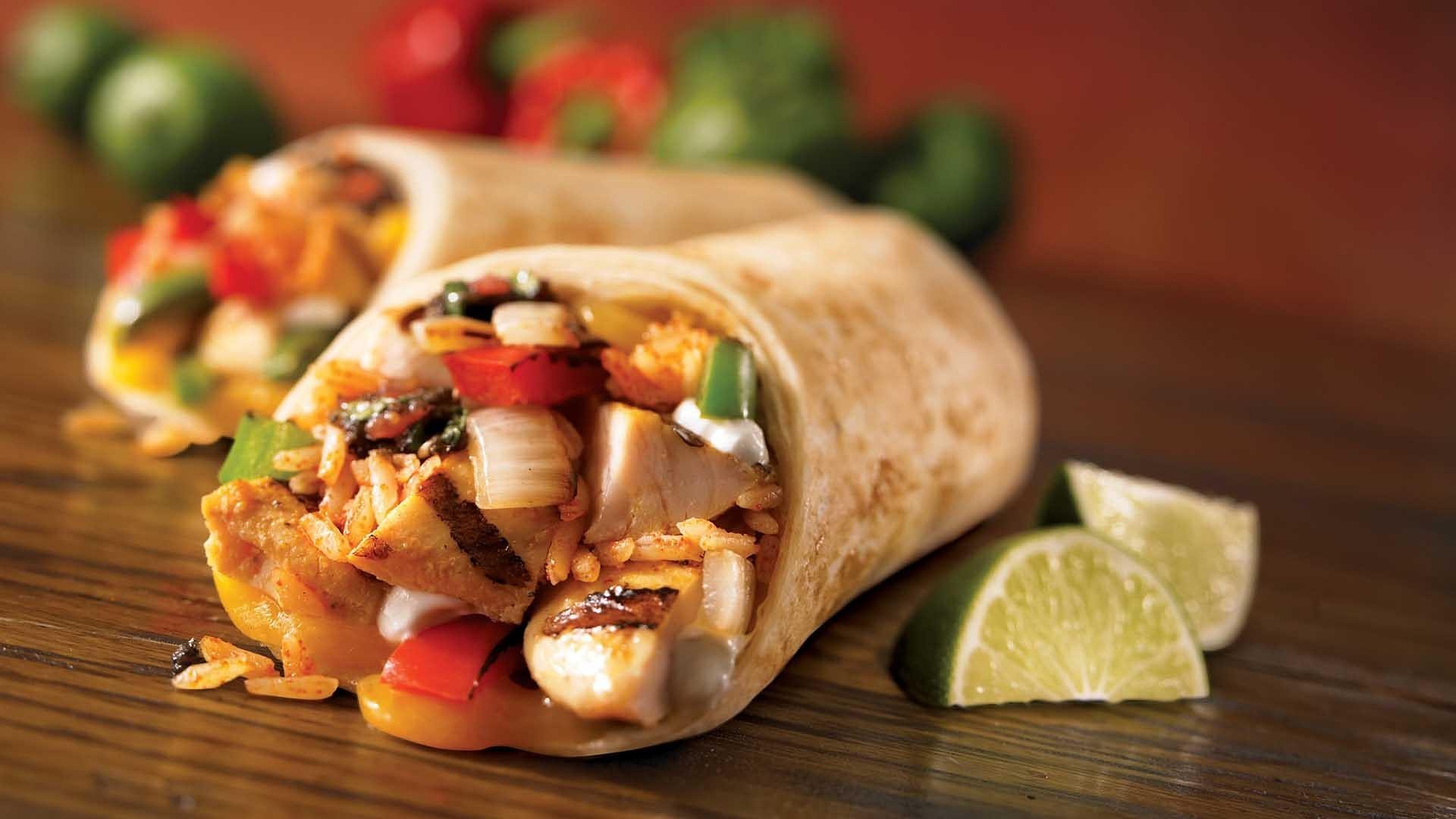
The burrito and enchilada difference often confuses diners who are newer to Mexican cuisine, yet these two dishes have distinct preparation methods, tortilla types, and serving styles that set them apart. Burritos use flour tortillas and are hand-held meals, while enchiladas use corn tortillas and are saucy dishes served with a fork and knife. Understanding the burrito and enchilada difference helps you know what to expect when ordering and appreciate the unique qualities of each dish.
Table of Contents
What Is a Burrito?
A burrito is a Mexican dish made with a large flour tortilla wrapped tightly around a variety of fillings. The flour tortilla is first heated on a griddle or in a steamer for 30 to 60 seconds to make it flexible and pliable. Once warmed, the tortilla is filled with ingredients such as seasoned meat, refried beans, rice, cheese, sour cream, salsa, and vegetables. The tortilla is then folded and wrapped tightly, often with the ends folded inward to contain all the filling.
Burritos are typically eaten by hand as a convenient meal, whether on the go or at home. They are often wrapped in aluminum foil or paper to keep them warm and maintain their shape. The name “burrito” means “little donkey” in Spanish and is believed to have originated in the Mexican states of Guanajuato, Guerrero, Michoacán, San Luis Potosí, Sonora, and Sinaloa, becoming especially popular in Ciudad Juárez.
What Is an Enchilada?
An enchilada is a Mexican dish consisting of a corn tortilla rolled around a filling and then baked or served covered in a savory sauce, typically a chili pepper sauce. Unlike burritos, enchiladas are always served on a plate and eaten with a knife and fork. The corn tortillas are smaller than flour tortillas, which means enchiladas are more compact than burritos. Enchiladas have roots in Mexican cuisine dating back centuries, with mentions in early Mexican cookbooks published in the 1800s.
The filling in an enchilada is typically simple, usually just one or two key ingredients like chicken, beef, cheese, or beans. The enchilada is then rolled tightly and placed seam-side down in a baking dish, where it is covered with red chili sauce, green salsa (salsa verde), or other variations depending on the region and recipe. The dish is baked until the tortillas soften and the flavors meld together.
Burrito and Enchilada Difference – Tortilla Type and Texture
One of the most obvious burrito and enchilada difference lies in the type of tortilla used. Burritos use flour tortillas, which are larger, softer, and more pliable, allowing them to wrap tightly without tearing. Flour tortillas are about 8 to 10 inches in diameter and can stretch to accommodate generous fillings. Enchiladas use corn tortillas, which are smaller (typically 6 inches or less) and thinner. Corn tortillas have a distinct cornmeal flavor and are more fragile, requiring gentle handling during rolling.
The texture difference also affects how each dish is eaten. Flour tortillas in burritos can withstand being held by hand without falling apart, making them ideal for eating on the go. Corn tortillas in enchiladas are softer after cooking in sauce and would fall apart if handled without utensils, which is why enchiladas are always eaten with a fork and knife.
Burrito and Enchilada Difference – Key Differences in Filling and Preparation
The burrito and enchilada difference extends to how they are filled and prepared. A burrito typically contains more ingredients and variety – meat, beans, rice, cheese, lettuce, sour cream, and salsa all combined in one wrapped package. The burrito is designed to be a complete meal with multiple flavor and texture components. In contrast, enchiladas usually have simpler fillings with just one or two main ingredients, relying on the sauce for most of the flavor.
Preparation methods also differ significantly. Burritos are wrapped and often warmed on a griddle or eaten immediately without additional cooking. Enchiladas are rolled, placed in a baking dish, covered with sauce, and then baked in the oven. This baking process softens the corn tortillas and allows the sauce flavors to penetrate the filling, creating a cohesive dish quite different from the self-contained burrito.
| Feature | Burrito | Enchilada |
| Tortilla Type | Flour tortilla | Corn tortilla |
| Size | Large (8-10 inches) | Small (5-6 inches) |
| Wrapping Style | Folded ends tucked in | Ends left open |
| Fillings | Multiple ingredients (meat, beans, rice, cheese, vegetables) | One to two main ingredients |
| Sauce | No sauce coating (salsa inside) | Covered in chili sauce or salsa |
| Cooking Method | Wrapped and warmed or eaten fresh | Rolled, sauced, and baked |
| How to Eat | By hand, wrapped in foil | With knife and fork on a plate |
| Serving Style | Portable, handheld meal | Plated dish, eaten at a table |
Burrito and Enchilada Difference – Flavor Profiles and Sauces
The burrito and enchilada difference in flavor comes largely from how sauce is incorporated. In a burrito, salsa and other toppings are mixed into the filling before wrapping, so the flavors are distributed throughout but not heavily concentrated. The burrito’s flavor is balanced across all components. Enchiladas, by contrast, are smothered in sauce before or after baking, making the sauce a dominant flavor element. Common enchilada sauces include mole (a complex, rich sauce with chocolate undertones), salsa roja (red chili sauce), or salsa verde (green tomatillo sauce).
Enchiladas often feel more decadent and saucy, with each bite incorporating the coating of sauce. Burritos are drier by comparison since the salsa is contained within rather than covering the exterior. This distinction affects the overall eating experience and how each dish pairs with beverages.
Frequently Asked Questions
Can you make a burrito with a corn tortilla?
While traditionally burritos use flour tortillas, you can technically wrap a burrito with corn tortillas if preferred. However, corn tortillas are more likely to crack or tear when folding because they are thinner and less pliable than flour tortillas. A corn tortilla burrito would be less practical for eating by hand and might fall apart more easily.
What sauces go best with burritos and enchiladas?
Burritos are often paired with mild to medium salsas, guacamole, and sour cream served on the side for dipping. Enchiladas pair well with their traditional sauces – mole, salsa roja, or salsa verde – which are baked into the dish itself. Some people also serve enchiladas with sour cream or crema on the side.
Is a wet burrito the same as an enchilada?
A wet burrito is a burrito covered in sauce and cheese, then baked. While it shares the saucy characteristic of an enchilada, it still uses a flour tortilla and has multiple fillings like a traditional burrito. So it is technically closer to a burrito, though prepared more like an enchilada. The burrito and enchilada difference remains that enchiladas use corn tortillas and simpler fillings.
Deciding Which to Order
When choosing between a burrito and an enchilada, consider what you’re in the mood for. If you want a hearty, all-in-one meal you can eat while walking or traveling, a burrito is the ideal choice. Its combination of multiple ingredients and hand-held format make it perfect for a quick lunch. If you prefer a more formal dining experience at a table with a knife and fork, and you enjoy saucy, complex flavors from traditional Mexican sauce recipes, enchiladas are your best bet. The burrito and enchilada difference ultimately comes down to convenience, tortilla preference, and how you like to eat.

