

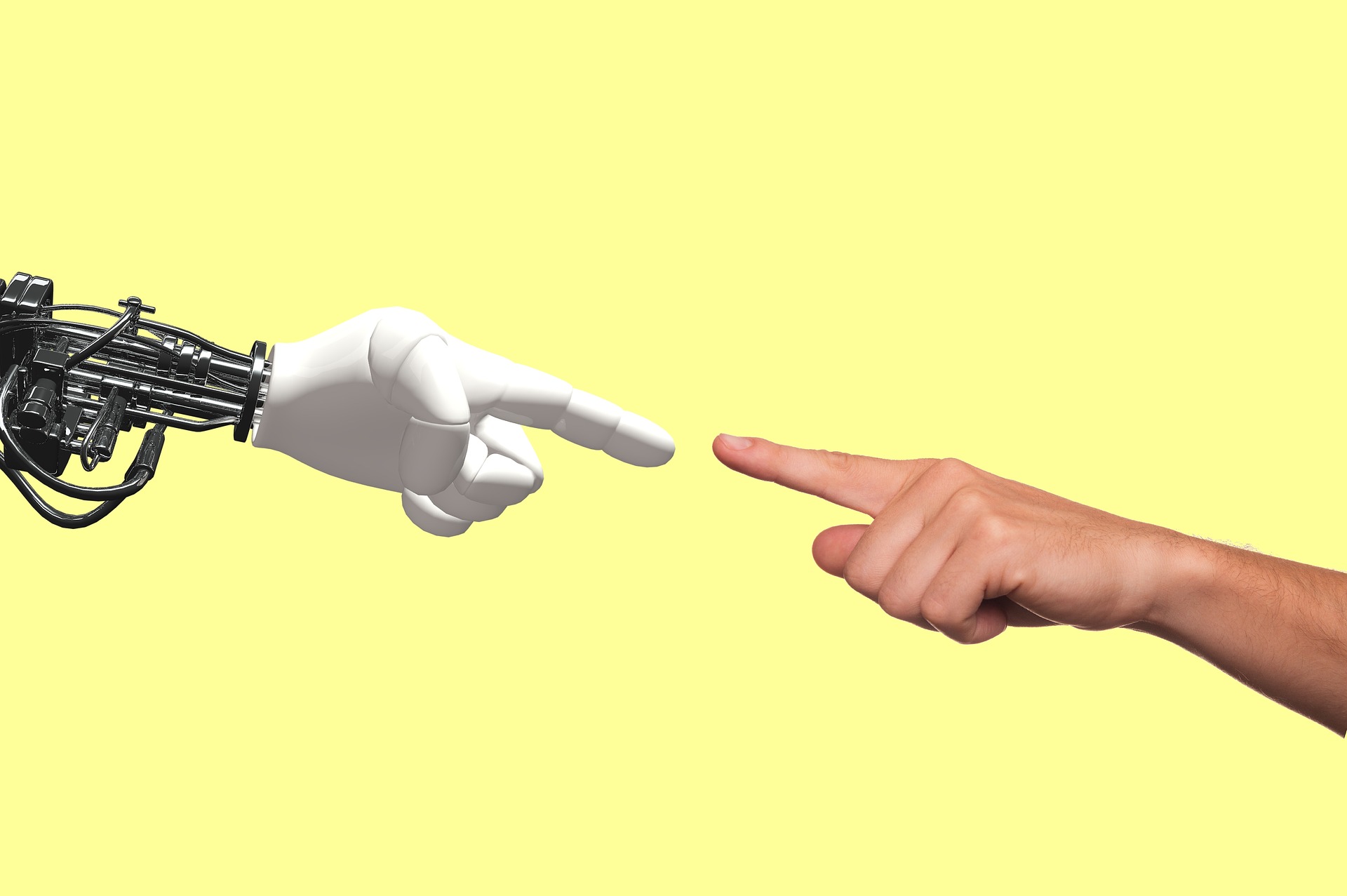
The robot or human distinction has become increasingly important as technology advances and artificial intelligence becomes more sophisticated, yet fundamental differences in capabilities, creativity, and emotional intelligence remain. Robot or human choice in many tasks reveals key strengths and weaknesses that determine which is better suited for specific work. Understanding when robot or human workers excel helps organizations make informed decisions about automation and maintains appreciation for uniquely human skills that machines cannot replicate.
Table of Contents
Human Strengths and Capabilities
Humans excel in creativity, intuition, and complex reasoning that requires understanding context and nuance. Humans can think outside established patterns, develop innovative solutions to novel problems, and adapt their strategies based on changing circumstances. Emotional intelligence allows humans to read social cues, empathize with others, and build meaningful relationships that foster collaboration and trust. Humans are adaptable and can learn entirely new skills throughout their lifespans, applying knowledge flexibly across different domains and situations.
Human dexterity and fine motor control surpass robots in many delicate tasks. Humans can manipulate small objects with precision, handle fragile items carefully, and adjust their approach based on real-time feedback. Additionally, humans bring motivation, responsibility, and ethical judgment to their work. The robot or human decision often favors humans for tasks requiring empathy, creativity, negotiation, or moral judgment.
Robot Strengths and Capabilities
Robots excel in repetitive, predictable tasks requiring consistent accuracy and endurance. Robots can perform identical movements thousands of times without fatigue, variation, or loss of precision. They work 24/7 without breaks, vacation, or sick leave. Robots and artificial intelligence are advancing rapidly in their ability to handle data analysis, pattern recognition, and executing complex industrial tasks. Robots are immune to workplace hazards like extreme temperatures, toxic chemicals, or heavy physical demands that would harm human workers.
Robots lack emotional bias and can process enormous amounts of information objectively. They never become tired, frustrated, or motivated by personal concerns. For tasks like manufacturing components, palletizing boxes, or performing dangerous operations, robots provide superior safety and efficiency. The robot or human choice for high-volume, standardized work almost always favors robots for productivity and cost-effectiveness.
Emotional and Social Differences
Humans experience genuine emotions – joy, frustration, empathy, concern – that drive decision-making and behavior. These emotions can be both strength and weakness: emotions inspire creativity and compassion but can also cloud judgment. Robots are devoid of genuine emotion, though they can be programmed to simulate responses. They cannot truly understand suffering, celebrate achievement, or feel motivated by purpose beyond their programming. This emotional gap creates a fundamental robot or human difference in interpersonal contexts.
Human social bonding and community are irreplaceable. Humans seek belonging, form friendships, and find meaning in relationships. These social dimensions of human existence have no robot equivalent and are essential to human psychological wellbeing and societal functioning.
| Capability | Human | Robot |
| Creativity | Excellent – invents new ideas | Limited – follows programming |
| Emotion | Genuine emotions guide decisions | No genuine emotion, only simulation |
| Adaptation | Highly adaptable to new situations | Limited to programmed parameters |
| Physical Strength | Limited and subject to fatigue | Consistent and tireless |
| Precision in Repetition | Variable, prone to mistakes | Perfect consistency |
| Data Processing | Good but slow and limited | Extremely fast and vast |
| Social Interaction | Natural and meaningful | Simulated and surface-level |
| Endurance | Requires rest and sleep | Can operate 24/7 |
| Judgment | Contextual and nuanced | Rule-based and literal |
Future Collaboration
Rather than robot or human being a competition, the future increasingly involves collaboration where each contributes unique strengths. Robots handle dangerous, repetitive, or data-intensive work while humans manage creative decisions, relationship-building, and complex problem-solving that requires ethical judgment. This complementary approach leverages robot efficiency and human insight to achieve results neither could accomplish alone.
Frequently Asked Questions
Will robots eventually replace all human workers?
Robots will likely replace humans in many routine jobs, but tasks requiring creativity, emotional intelligence, and complex judgment will remain uniquely human for the foreseeable future. History shows that technological advancement creates new types of work even as it eliminates others. The robot or human question will continue to evolve as technology improves.
Can robots be creative?
Current robots can generate novel combinations of existing patterns but lack the genuine creative spark that humans possess. They follow algorithms rather than exploring truly original directions. The robot or human creativity gap remains substantial, though AI-assisted tools are increasingly helping humans enhance their creative work.
Are robots safe to work alongside humans?
Modern collaborative robots include safety features and can work safely near humans with proper training and protocols. However, they require careful programming and supervision. The robot or human decision about workplace integration depends on safety measures, training, and task design to ensure workers remain protected.
Appreciating Unique Value
The robot or human distinction ultimately celebrates what makes each valuable. Robots provide tireless efficiency, consistent precision, and fearless hazard tolerance. Humans provide innovation, compassion, ethical judgment, and meaningful connection. Rather than viewing this as competition, recognizing complementary strengths allows society to benefit from both. The most successful organizations and societies will be those that strategically deploy robot or human workers where each excels, creating synergies that benefit everyone.

