

Choosing between a quilt vs comforter shapes both your sleep comfort and the look of your bedroom, since these two bedding staples fill very different roles. The quilt vs comforter decision depends on climate, sleeping preferences, decorative style, and how you plan to use and clean the bedding over time. Understanding quilt vs comforter differences lets you pick the right cover for warmth needs, seasonal changes, and design goals without buying the wrong bedding twice.
Table of Contents
What Is a Quilt?
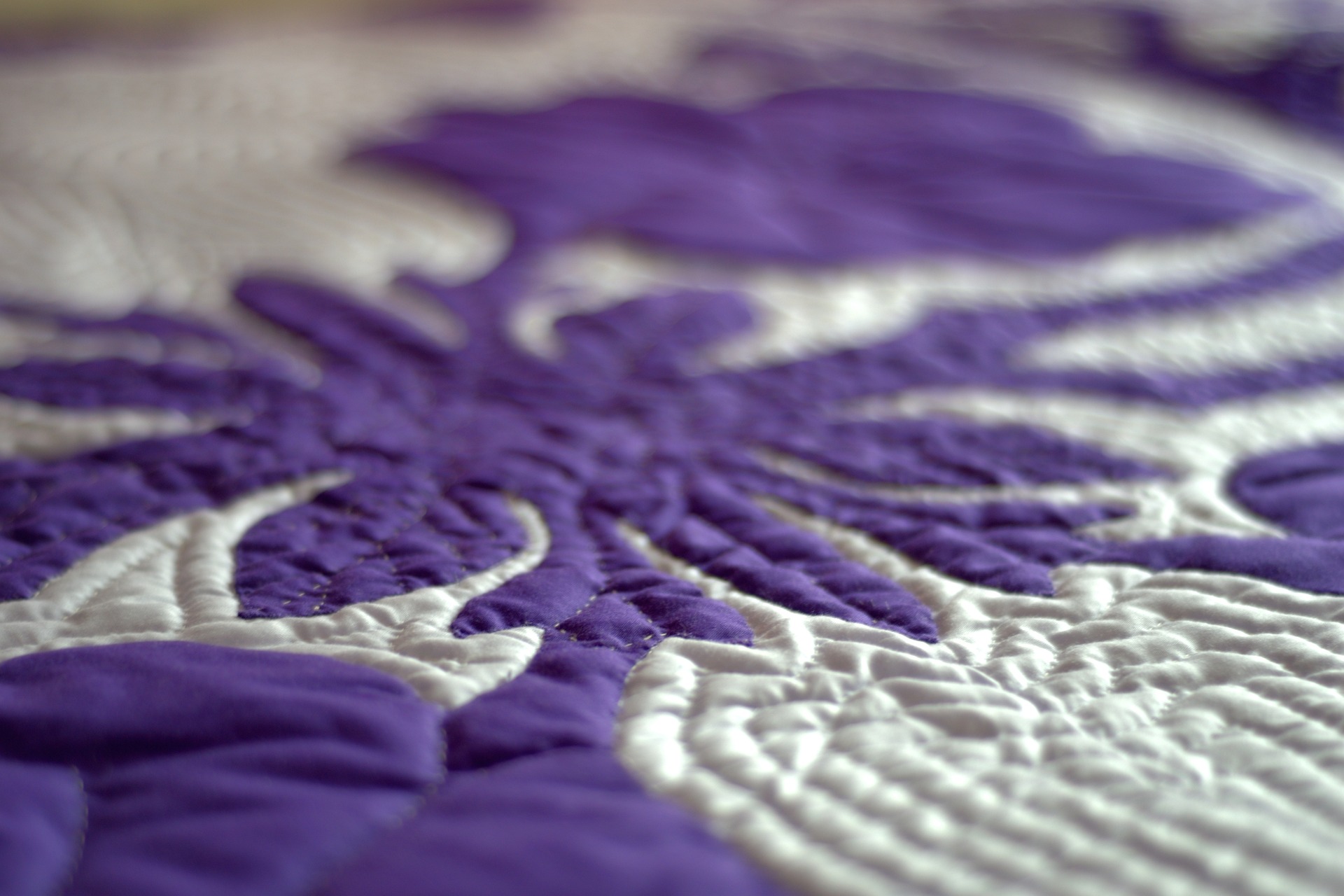
A quilt is a flat bedcover made from three distinct layers stitched together: a decorative top layer often pieced from patterned fabric, a thin middle layer of batting for insulation, and a plain backing layer. The three layers are held together by decorative stitching called quilting, which forms patterns across the entire surface. This construction gives quilts their characteristic flat profile and textured appearance, making them lighter and more breathable than fluffier bedding options for warm climate use.
According to Britannica’s article on the quilt bedding tradition, quilting dates back centuries across many cultures and originally served both practical and artistic purposes. In the quilt vs comforter comparison, quilts represent the traditional craft-oriented option prized for handmade beauty, heirloom quality, and versatile use as bedspread, throw, or wall art. Modern quilts range from handcrafted family heirlooms to mass-produced options available in bedding stores at various price points and styles.
What Is a Comforter?
A comforter is a thick, fluffy bedcover consisting of two fabric layers sewn together with insulating filling in between. The filling is typically down feathers, down alternative synthetic fibers, or polyester batting, giving comforters their characteristic puffy appearance and substantial loft. Comforters are quilted or box-stitched in a grid pattern to prevent the filling from shifting or bunching in one area during use, keeping insulation distributed evenly across the entire bed surface for consistent warmth throughout the night.
In the quilt vs comforter distinction, comforters serve as the primary warmth-providing bedding for cold climates and cold sleepers. Their thick loft traps significantly more air than a quilt, creating superior insulation for winter nights. Comforters typically come in solid colors or simple patterns, since their bulk makes them less suited to intricate decorative designs. Many people pair comforters with duvet covers to protect the bedding and simplify washing, which addresses a common quilt vs comforter maintenance concern.
Quilt vs Comforter: Key Differences
The quilt vs comforter distinction centers on thickness, warmth, and construction. Quilts are thin and flat with modest insulation, ideal for warm weather, layered bedding, or lightweight cover during summer months. Comforters are thick and fluffy with substantial insulation, suited for winter warmth or cold sleepers year-round. Aesthetic style, cleaning requirements, and typical price ranges also separate these bedding options, giving each their own advantages for different bedrooms, climates, and sleeper preferences across the year.
| Feature | Quilt | Comforter |
| Construction | Three layers stitched together | Two layers with filling in between |
| Thickness | Thin and flat | Thick and puffy |
| Warmth Level | Light to moderate insulation | Moderate to heavy insulation |
| Filling Material | Thin cotton or polyester batting | Down, down alternative, or polyester |
| Best Climate | Warm to moderate climates | Cold to moderate climates |
| Design Options | Intricate patchwork patterns | Simpler colors and prints |
| Weight | Lightweight | Heavier and more substantial |
| Care Requirements | Machine washable (most) | Often dry clean or with duvet cover |
| Layering | Excellent for layered bedding | Often used as sole cover |
| Typical Price | $50-$300 (handmade higher) | $60-$400 depending on fill |
Warmth and Climate Considerations
Climate strongly influences the quilt vs comforter decision. Warm climate residents in Florida, Texas, or Southern California often find comforters overwhelming for year-round use, since their loft creates too much warmth for comfort. Quilts serve much better in these climates, providing enough cover for aesthetics and modest insulation without overheating sleepers. Layering multiple quilts allows adjustable warmth as seasons change or as personal preference shifts on individual nights.
Cold climate residents in northern regions benefit more from the comforter’s substantial loft and warmth. In the quilt vs comforter selection process for cold climates, comforters filled with high-quality down provide excellent insulation while remaining lightweight. Alternatively, layering a quilt over a comforter creates an attractive, adjustable bedding system that adapts to temperature swings. Sizing matters too – see Eastern King vs California King for how mattress dimensions shape which bedding fits best. Many households own both types to accommodate seasonal changes and guest preferences throughout the year effectively.
Aesthetic and Decor Appeal
Style plays a significant role in the quilt vs comforter choice for many buyers. Quilts offer rich decorative potential through intricate patchwork patterns, applique designs, and traditional motifs that celebrate craft heritage. A handmade quilt becomes a bedroom focal point that combines art with function. Country, cottagecore, farmhouse, and traditional bedroom styles particularly favor quilts for their timeless craft aesthetic and personal storytelling through carefully chosen fabric combinations.
Comforters present a more contemporary, streamlined look preferred in modern, minimalist, and hotel-style bedroom designs. The quilt vs comforter aesthetic split often mirrors decor preferences overall – traditional homes may favor quilts while modern homes often choose comforters. Comforters with duvet covers offer easy style updates by swapping the cover, letting you refresh bedroom decor seasonally without replacing the whole bedding investment across a budget-conscious approach to home design.
Care and Maintenance Requirements
Care requirements differ significantly in the quilt vs comforter comparison. Most modern quilts are machine washable in cold water and can be tumble dried on low heat, making regular cleaning simple and affordable. Handmade or vintage quilts may require gentler handling, hand washing, or professional cleaning to preserve fragile stitching and delicate fabrics. Quilts also dry relatively quickly due to their thin profile, making them practical for households needing frequent bedding refresh cycles.
Comforters often require professional dry cleaning or oversized washing machines to clean properly. Down comforters particularly need careful cleaning to preserve loft and prevent clumping of the delicate fill. Many people use duvet covers over comforters specifically to reduce cleaning frequency – the cover washes easily while the comforter itself requires infrequent deep cleaning. This quilt vs comforter maintenance difference makes duvet covers a popular workaround for busy households.
Frequently Asked Questions
Can I use a quilt vs comforter year-round?
Yes, though your climate determines which works better year-round. In warm climates, a quilt serves well year-round with occasional layering during cooler nights. In cold climates, a comforter provides adequate warmth year-round unless summer heat requires switching to lighter bedding. Many households alternate seasonally, using a comforter in winter and switching to a quilt or lightweight cover during warmer months of the year.
Is a quilt or comforter better for allergies?
Quilts are often better for allergy sufferers because their machine-washable construction allows frequent cleaning to remove dust mites and allergens. Comforters, especially down-filled versions, can harbor allergens and are harder to wash frequently. If choosing a comforter with allergies, select a hypoallergenic down alternative filling with a tightly-woven cover, and use a duvet cover that can be washed regularly to reduce allergen exposure over time.
How do I layer quilt vs comforter for maximum flexibility?
Layer a quilt over a sheet as the primary cover in warm weather. Add a comforter on top for cold nights, or fold a comforter at the foot of the bed as an easy pull-up option during temperature drops. This layered approach lets sleepers customize warmth throughout the night by adding or removing layers as needed, providing greater flexibility than committing to just one type of bedding cover.
Choosing the Right Bedding for Your Home
The quilt vs comforter choice ultimately reflects your climate, style preferences, and lifestyle needs. Warm climates and design-focused bedrooms tend toward quilts for their light warmth and decorative charm. Cold climates and comfort-focused sleepers gravitate toward comforters for substantial insulation. Both offer excellent options across a wide price range, so most households can find a suitable quilt vs comforter selection within their budget and aesthetic preferences.
Consider owning both types for maximum flexibility across seasons. Rotating between quilt and comforter as temperatures shift maintains comfort year-round and refreshes bedroom aesthetics regularly. Whether you choose quilt vs comforter for its warmth, look, care requirements, or all three factors combined, prioritize quality materials and construction that will last many years of nightly use. If you are still setting up the room, Twin Size Bed Versus Full Size is a helpful next read for picking the mattress under your bedding. Well-made bedding delivers value that far exceeds its initial cost over time.

