

The Jewish religion vs Christianity represents one of history’s most significant spiritual divergences, stemming from shared Abrahamic roots yet evolving into distinct theologies, practices, and worldviews. While both religions emerged from the Middle East and share ancient texts and prophetic traditions, they diverged fundamentally over questions of messianship, divine nature, and the path to salvation. Understanding the Jewish religion vs Christianity requires examining not just theological differences but also historical context, cultural practices, and how each faith interprets sacred scripture.
Table of Contents
What Is the Jewish Religion?
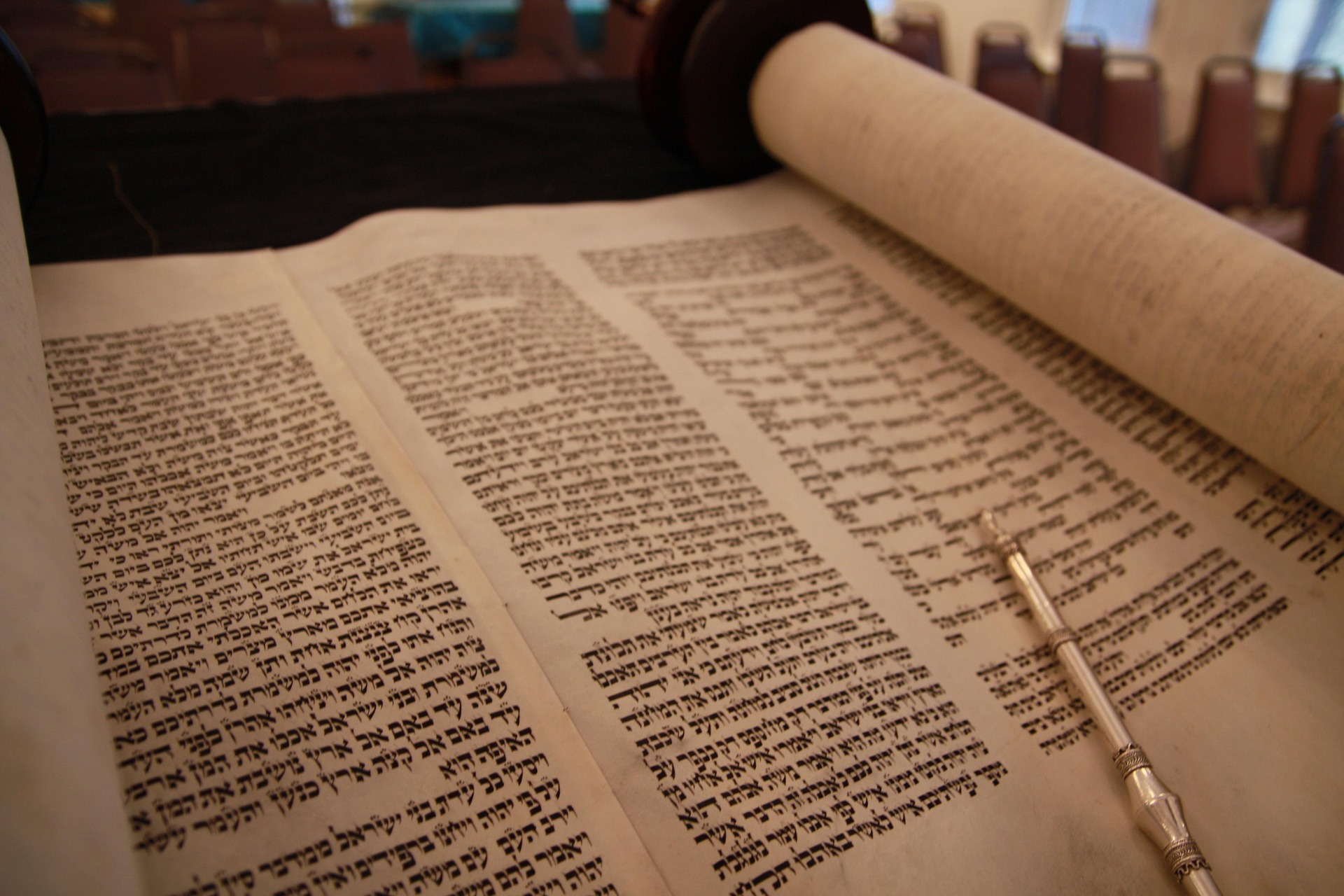
Judaism is one of the world’s oldest continuous monotheistic religions, tracing its origins back nearly 4,000 years to Abraham’s covenant with God around 2000 BCE. Jewish tradition emphasizes adherence to the Torah, the Five Books of Moses, and the broader collection of rabbinic teachings developed over centuries. The religion centers on the belief in one transcendent God and the importance of living according to divine commandments, known as mitzvot, which guide ethical behavior and religious observance. For more insight into Jewish traditions and history, explore the comprehensive overview of Judaism from Britannica, which details the religion’s evolution from ancient times through the modern era.
Jewish practice emphasizes community worship in synagogues led by rabbis, observance of the Sabbath from Friday evening to Saturday, and celebration of festivals like Passover and Yom Kippur that commemorate key historical and spiritual events. The Jewish people see themselves not merely as individuals but as part of a covenanted community bound by shared law, history, and spiritual purpose. Jewish law addresses every aspect of life, from dietary practices (kashrut) to prayer schedules to family relations, creating a comprehensive framework for living in accordance with God’s will.
What Is Christianity?
Christianity emerged in the 1st century CE as a movement within Judaism, centered on the belief that Jesus of Nazareth is the Messiah and the Son of God. Christians believe that Jesus’s death and resurrection offer salvation to all people through faith, marking a fundamental departure from Jewish theology. The religion rapidly spread throughout the Mediterranean world and eventually became the dominant faith across Europe, the Americas, and much of Africa and Asia. Today, Christianity encompasses numerous denominations with varying practices and theological emphases, yet all share the core conviction of Jesus as savior.
Christian worship centers on prayer, Bible study, and sacraments like baptism and communion (or the Eucharist), which commemorate Jesus’s ministry and sacrifice. The New Testament, comprising the Gospels and epistles, serves as Christianity’s primary scriptural authority alongside the Hebrew Bible (which Christians call the Old Testament). While Judaism maintains that God continues to work through ongoing rabbinic interpretation of Torah, Christianity teaches that Jesus represents God’s final and complete revelation to humanity.
Core Theological Differences Between Jewish Religion vs Christianity
The Jewish religion vs Christianity diverge most profoundly on the question of Jesus and messianism. Christians believe Jesus is the Messiah prophesied in Hebrew scripture, the Son of God, and the world’s savior. In contrast, Jewish theology does not recognize Jesus as the Messiah. Instead, most Jews await a future messianic figure who will restore the Jewish people to Israel, establish peace on Earth, and usher in an era of universal justice. Since Jesus did not fulfill these expectations—Jerusalem was not restored during his lifetime and world peace did not result—traditional Judaism views him as a respected teacher but not as the promised redeemer.
Another central distinction involves the nature of God. Christianity introduces the doctrine of the Trinity, asserting that God exists as three persons in one essence: the Father, the Son (Jesus), and the Holy Spirit. This concept is entirely absent from Judaism, which emphasizes strict monotheism and God’s absolute unity. The Shema, Judaism’s central prayer statement, declares “Hear, O Israel: the Lord our God, the Lord is One,” rejecting any notion of divine multiplicity or personhood divisions within the godhead.
Salvation and the Afterlife in Jewish Religion vs Christianity
Salvation concepts reveal another crucial divergence between the Jewish religion vs Christianity. Christianity teaches that all humans are born sinful and require salvation through faith in Jesus Christ’s atoning sacrifice. Christ’s death on the cross, in Christian theology, paid the price for humanity’s sins, and belief in his resurrection and lordship secures eternal life in heaven. This framework centers on individual salvation through personal faith in Jesus as lord and savior, making the acceptance of Christ central to Christian soteriology.
Judaism, by contrast, does not emphasize individual salvation through a savior figure. Instead, the Jewish tradition stresses righteous living through observance of God’s commandments and ethical conduct toward others. While Jewish tradition includes beliefs in an afterlife, the focus remains on how one lives in this world rather than securing personal eternal salvation through faith. The Jewish concept of the messianic age emphasizes cosmic restoration and the redemption of the Jewish people collectively, not individual souls’ transfer to heaven.
Key Differences: Jewish Religion vs Christianity Comparison
| Aspect | Jewish Religion | Christianity |
| View of Jesus | Respected teacher, not the Messiah | The Messiah, Son of God, savior |
| Nature of God | Strict monotheism, God’s absolute unity | Trinity – Father, Son, Holy Spirit |
| Salvation | Living righteously through mitzvot (commandments) | Faith in Jesus Christ and his resurrection |
| Scripture Authority | Torah and rabbinic interpretations (Talmud) | Bible (Old and New Testaments) |
| Messiah | Still awaited future figure | Already came as Jesus of Nazareth |
| Core Practice | Observance of 613 mitzvot and Sabbath | Faith in Christ, baptism, communion |
| Place of Worship | Synagogue led by rabbis | Church led by clergy (varies by denomination) |
| Focus | Communal covenant and righteous living | Individual salvation through faith |
Common Misconceptions About Jewish Religion vs Christianity
Many people mistakenly assume that since Christianity emerged from Judaism, they share identical ethical values or that Christianity represents Judaism’s spiritual evolution. While both religions do emphasize ethical monotheism and share ancient scriptural traditions, they constitute genuinely distinct faiths with separate theologies. Another misconception suggests that Jews reject Jesus entirely, when the reality is more nuanced: Jews respect Jesus as a teacher but fundamentally disagree with Christian claims about his identity and divine nature. For another Christian denomination comparison, see Baptist vs Catholic: 7 Fundamental Religion Differences.
Some also believe the Jewish religion vs Christianity distinction primarily involves different prayer styles or cultural practices, overlooking the deep theological chasms that separate them. The differences are not superficial variations on a common theme but rather divergent interpretations of God’s nature, revelation, and humanity’s relationship to the divine. These theological gaps explain why, despite historical proximity and shared texts, the two faiths developed separately and maintain distinct doctrinal positions that adherents consider fundamental to their respective identities. To understand Judaism’s relationship to other Abrahamic faiths, compare this with Islam Religion vs Christianity: 7 Essential Theological Differences for broader context.
Frequently Asked Questions
Can someone be both Jewish and Christian?
This remains theologically complex. Messianic Jews are Jewish people who believe Jesus is the Messiah while maintaining Jewish cultural and religious practices. Mainstream Jewish organizations typically do not recognize Messianic Judaism as authentic Judaism, while traditional Christianity also questions whether one can maintain Jewish identity while accepting Christian theology. The question ultimately depends on how strictly one defines Jewish religious identity versus cultural ethnicity.
Do Jews and Christians share any common beliefs?
Yes, substantially. Both faiths are monotheistic, believe in one God, honor the Hebrew Bible as sacred scripture, emphasize ethical living and justice, and trace their spiritual lineage to Abraham. Both traditions value prayer, community worship, and moral conduct. However, these commonalities occur within drastically different theological frameworks, particularly regarding Jesus and messianism, which creates a foundational divide despite the shared ethical and monotheistic foundations.
Why did Jewish religion vs Christianity split into separate faiths?
The split occurred gradually over the first few centuries CE. Early followers of Jesus, including Jewish disciples, initially considered themselves part of Judaism. However, as Christian theology developed—particularly Paul’s teachings about faith superseding Torah observance—and as Christianity spread to non-Jewish populations, the two communities diverged. Jewish authorities rejected Christian claims about Jesus as Messiah, while Christians increasingly defined their identity in opposition to Jewish practice, eventually creating two distinct religious traditions.
Recognizing Jewish Religion vs Christianity Today
Understanding the Jewish religion vs Christianity remains essential for appreciating global religious diversity and historical context. In the modern world, Jews and Christians often cooperate on social justice issues, interfaith dialogue, and community building. Yet recognizing their theological differences—rather than minimizing them—actually facilitates genuine respect and understanding. The Jewish religion vs Christianity comparison illustrates how religions can share historical roots and ethical commitments while maintaining fundamentally different conceptions of God, revelation, and humanity’s ultimate purpose and destiny in the cosmic order.

