

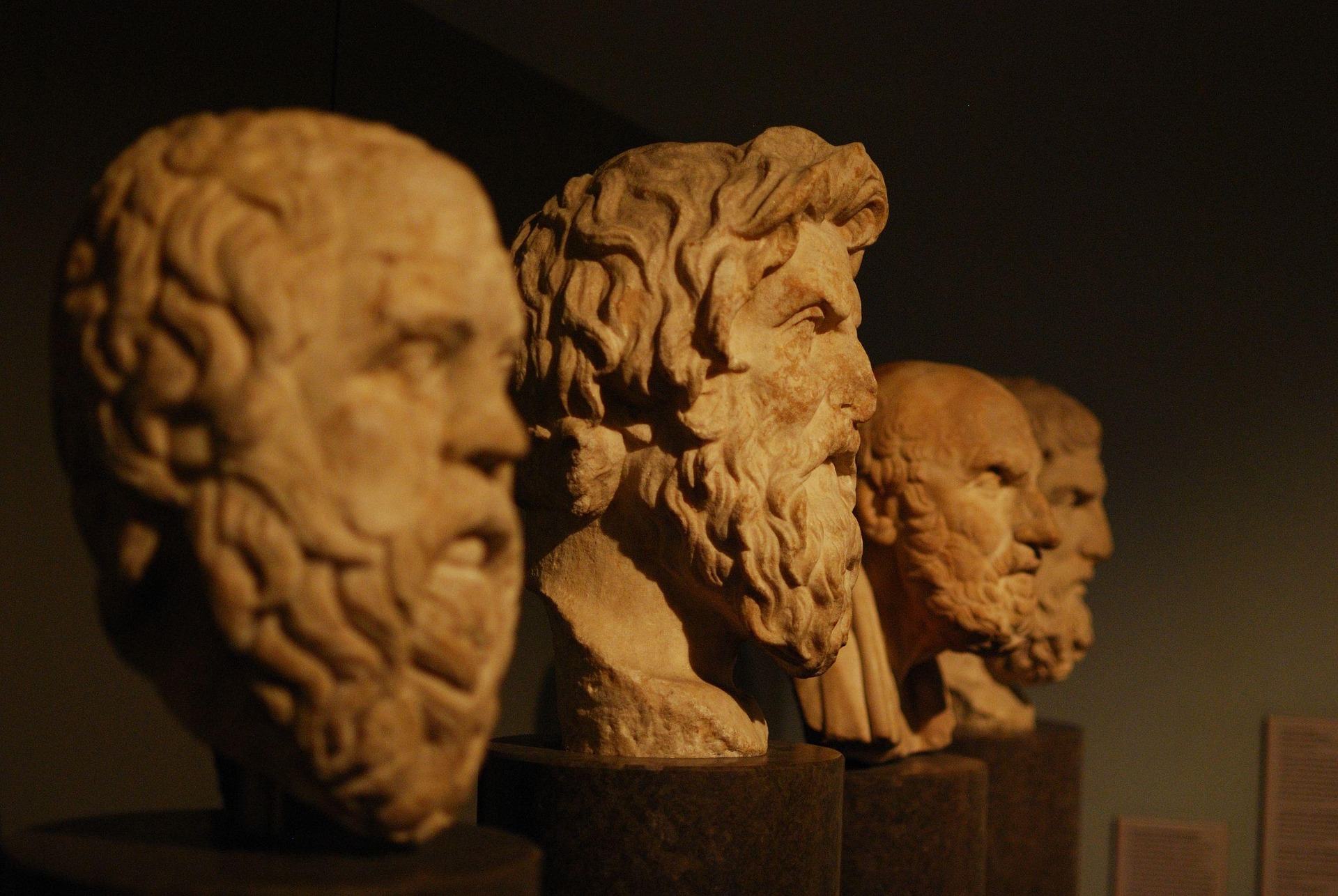
Philosophy vs psychology represent two distinct yet often-confused academic disciplines that both examine fundamental aspects of human existence and thought. While both investigate questions about the mind, consciousness, and human behavior, they employ fundamentally different methodologies and pursue different goals. Understanding the differences between philosophy vs psychology is essential for anyone considering these fields of study, as each offers unique career paths, intellectual frameworks, and approaches to understanding humanity. The choice between them depends on whether you’re drawn to theoretical reasoning or empirical scientific investigation.
Table of Contents
What is Philosophy?
Philosophy, derived from Greek words meaning “love of wisdom,” is the systematic study of fundamental questions about existence, knowledge, reality, ethics, and the nature of truth. Philosophy employs critical thinking, logical reasoning, and conceptual analysis to explore deep questions that may not have empirical answers. The discipline encompasses several major branches including metaphysics (the study of reality’s nature), epistemology (the study of knowledge), ethics (the study of right conduct), and logic (the study of valid reasoning).
Philosophy operates primarily through abstract reasoning and theoretical exploration rather than empirical testing. Philosophers ask “why” and “what should” questions – investigating what we can know, how we should live, and what reality fundamentally is. The discipline spans thousands of years, from ancient Greek thinkers to contemporary philosophers grappling with modern ethical dilemmas. When examining philosophy vs psychology, it’s important to recognize that philosophy prioritizes understanding conceptual frameworks, meaning-making, and normative questions about values rather than describing how people actually behave.
What is Psychology?
Psychology is the scientific study of human behavior and mental processes. Recognized as a social science and formal STEM discipline by the National Science Foundation, psychology applies the scientific method to understand how people think, feel, and act. The discipline emerged as a distinct field in 1879 when Wilhelm Wundt founded the first experimental psychology laboratory in Leipzig, Germany, marking psychology’s separation from philosophy through its commitment to empirical research and measurement.
Psychology encompasses numerous sub-fields including clinical psychology, cognitive psychology, developmental psychology, social psychology, and neuropsychology. Psychologists conduct experiments, surveys, case studies, and observational research to test hypotheses about behavior and mental functioning. The discipline seeks to describe, explain, predict, and modify human behavior based on verifiable evidence. Unlike philosophy vs psychology, where philosophy explores abstract principles, psychology investigates concrete, measurable aspects of how people function in real-world contexts.
Philosophy vs Psychology: Fundamental Differences
| Aspect | Philosophy | Psychology |
| Primary Method | Logical reasoning and conceptual analysis | Scientific method and empirical research |
| Type of Questions | Normative – what should be true and right | Empirical – what is actually true in observable reality |
| Focus Area | Fundamental nature of existence and knowledge | Human behavior and mental processes |
| Validation Method | Logical consistency and persuasiveness of arguments | Experimental evidence and statistical analysis |
| Primary Tools | Critical thinking, debate, textual analysis | Laboratory experiments, surveys, observations |
| Time Frame | Ancient discipline spanning 2,500+ years | Modern science established formally in 1879 |
| Career Examples | Professor, lawyer, theologian, writer | Clinical psychologist, researcher, counselor |
| Goal | Understanding truth, meaning, and values | Explaining and predicting human behavior |
Philosophy vs Psychology: Methodology and Approach
The most fundamental distinction between philosophy vs psychology lies in their methodologies. Philosophy employs abstract reasoning, logical argumentation, and conceptual analysis to explore theoretical questions. Philosophers build arguments, examine assumptions, and explore the logical implications of competing viewpoints. Their work is validated through persuasiveness, internal logical consistency, and engagement with scholarly discourse rather than through empirical testing.
Psychology, by contrast, relies on the scientific method. Psychologists develop testable hypotheses, design controlled experiments, collect quantifiable data, and use statistical analysis to determine whether their predictions hold true. A psychology study examining whether stress affects memory retention involves measurable variables, control groups, and numerical results – fundamentally different from a philosophical exploration of the nature of memory. When considering philosophy vs psychology for academic study, understanding that one seeks theoretical understanding while the other pursues empirical prediction is crucial to appreciating their distinct value.
Philosophy vs Psychology: Overlap and Complementarity
Despite their differences, philosophy and psychology address many overlapping questions from different angles. Philosophy of mind explores conceptual questions about consciousness and mental processes – asking “what is consciousness?” or “is free will possible?” Psychology investigates the same phenomena empirically – measuring brain activity during conscious tasks or testing whether people’s behavior reflects genuine choice or determinism. The relationship between philosophy vs psychology is complementary rather than competitive. Philosophers ask what ought to be the nature of psychological research, while psychologists provide empirical data that refines philosophical understanding.
Frequently Asked Questions
Can I study both philosophy and psychology together?
Absolutely. Many undergraduate programs encourage double majoring or minoring in complementary fields. Philosophy enhances psychology by developing critical thinking about research methodology and ethical implications of psychological studies. Psychology enriches philosophy by grounding theoretical discussions in empirical evidence. The philosophy vs psychology distinction becomes less about choosing one over the other and more about how they can strengthen each other. Combined study produces scholars who understand both theoretical frameworks and empirical realities.
Which field is more practical for career prospects?
Psychology typically offers more direct career paths in clinical practice, counseling, and organizational settings. Psychologists find employment as therapists, researchers, and practitioners in business and healthcare. Philosophy majors face more diverse career paths – some become philosophers or professors, while others transition to law, writing, theology, or policy work. The practical advantage depends on career goals. If seeking a professional license as a therapist or counselor, psychology is the clearer path. For careers requiring ethical reasoning, writing, or conceptual thinking, philosophy may prove equally valuable. Philosophy vs psychology in terms of employment reflects different industry demands, not inherent superiority of one field.
Did philosophy split into psychology at some point?
Yes. Psychology historically emerged from philosophy and formally separated in 1879 when Wilhelm Wundt established the first experimental psychology laboratory. Early philosophers studied consciousness and mental processes through reasoning and introspection. When empirical methodology became dominant, psychology split away to pursue scientific investigation while philosophy retained its theoretical, reasoning-based approach. This separation explains why philosophy vs psychology maintain overlapping interests but distinctly different methods. Understanding this history clarifies that both fields have legitimate yet separate purposes, rather than one being a “better” version of the other.
Choosing Between Philosophy and Psychology
Deciding between philosophy vs psychology depends on how you prefer to approach questions about human experience. If you’re drawn to abstract thinking, value systems, ethical questions, and exploring fundamental truths through reasoning, philosophy offers intellectual engagement with humanity’s deepest questions. If you prefer concrete investigation, measurable results, and understanding how people actually behave and think through scientific methods, psychology provides a structured scientific path. For those uncertain, recognize that the philosophy vs psychology comparison isn’t binary.
Many successful scholars study both, use philosophical frameworks to evaluate psychological research, or apply psychological insights to philosophical questions. Consider which approach resonates more deeply with your intellectual interests – theoretical exploration or empirical investigation – and let that guide your choice. For a detailed comparison of these disciplines including coursework and career paths, see North Central College’s comprehensive philosophy vs psychology comparison which outlines major and career considerations for each field.

