

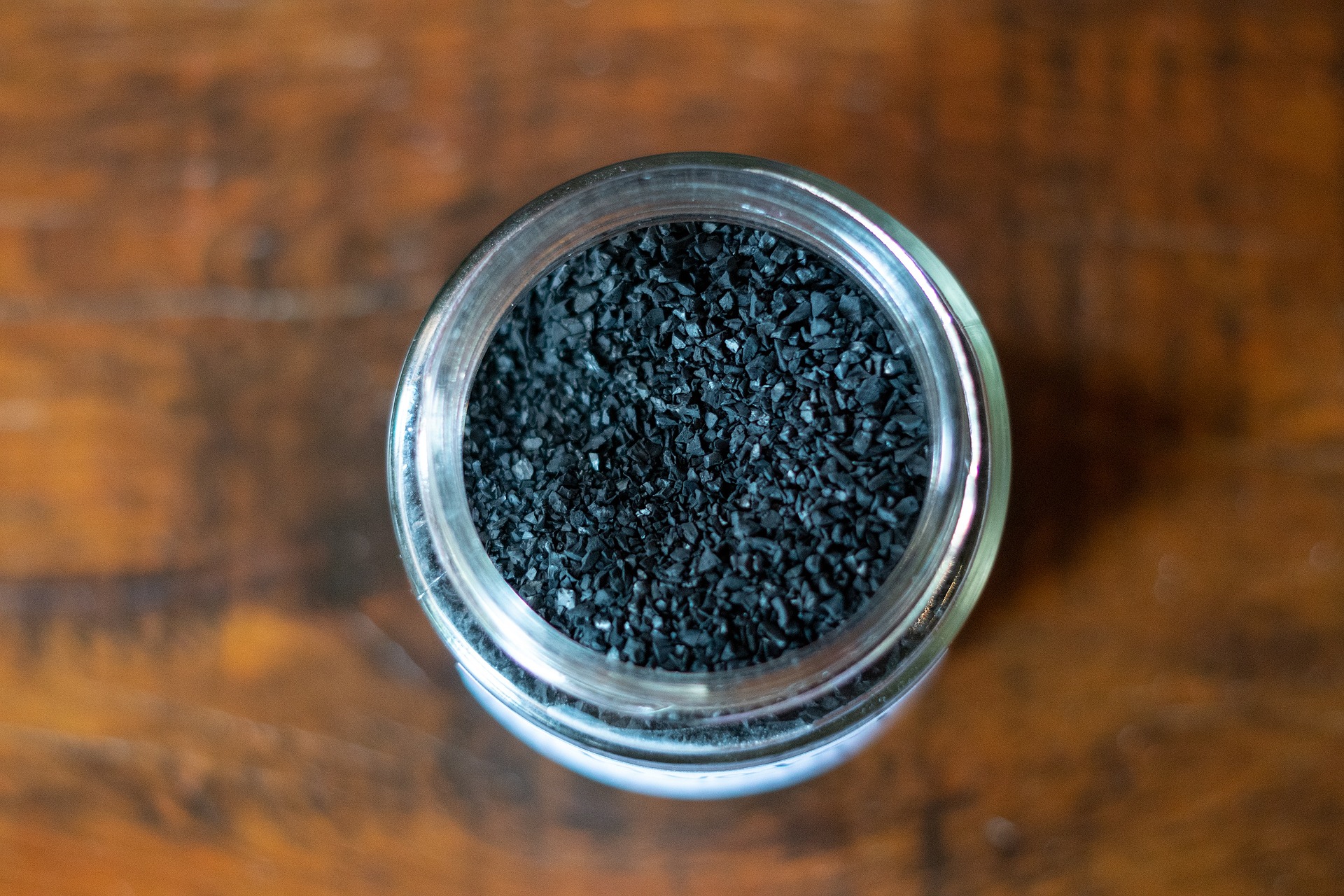
Charcoal and activated charcoal are often used interchangeably in conversations, but they are fundamentally different substances with distinct properties and applications. While charcoal and activated charcoal both originate from carbon-rich materials, activated charcoal undergoes specialized processing that dramatically increases its porosity and surface area, making it far more effective for absorption and filtration purposes. Understanding the difference between charcoal and activated charcoal is essential whether you’re considering water filtration, health applications, or simply wanting accurate information about what these products actually do.
This article is educational and discusses charcoal products for informational purposes. Medical use of activated charcoal should only occur under professional medical supervision. Any decision to use activated charcoal for health purposes belongs to qualified healthcare professionals using current medical guidelines.
Table of Contents
What is Charcoal?
Charcoal is a dark, carbon-rich substance produced by heating organic materials like wood, coal, peat, and coconut shells at high temperatures in low-oxygen environments. Traditional charcoal is commonly recognized as the briquettes used for grilling and BBQ cooking. The production process burns away volatile compounds while leaving behind a porous carbon structure, but regular charcoal retains significant amounts of the original material’s smoke and impurities within its pores.
Regular charcoal has been used for thousands of years in cooking, heating, and art applications. The substance is relatively inexpensive to produce and serves well as a fuel source or for basic filtration. However, regular charcoal is not processed for medical applications and lacks the enhanced properties that make charcoal and activated charcoal distinctly different for health and industrial uses.
What is Activated Charcoal?
Activated charcoal, also known as activated carbon, is charcoal that has undergone an additional activation process involving exposure to steam, gas, or chemical treatment at extremely high temperatures. This specialized processing removes the impurities and smoke trapped in the pores, creating an ultra-porous substance with dramatically increased surface area. A single teaspoon of activated charcoal contains surface area equivalent to a football field – meaning just 50 grams of activated charcoal has the same surface area as 7 football fields.
The activation process transforms regular charcoal into a substance with an enormous capacity for adsorption – the process of binding other substances to its surface. This makes activated charcoal highly effective for water filtration, air purification, and medical applications. When charcoal and activated charcoal are compared, the activation process is the critical distinction that separates them into entirely different categories of effectiveness and application.
Charcoal and Activated Charcoal: Key Differences
| Characteristic | Regular Charcoal | Activated Charcoal |
| Manufacturing Process | Burned at high temperature in low oxygen | Burned then activated with steam or chemicals |
| Porosity Level | Low to moderate porosity | Extremely high porosity |
| Surface Area | 300-400 m² per gram | 800-1,200 m² per gram |
| Purity | Contains wood smoke and impurities | Impurities removed during activation |
| Primary Uses | Grilling, cooking, art, basic fuel | Water filtration, medical, air purification |
| Absorption Capacity | Limited absorption ability | Superior absorption and adsorption |
| Cost | Inexpensive and readily available | More expensive due to processing |
| Appearance | Lumps or chunks (BBQ briquettes) | Fine black powder |
Charcoal and Activated Charcoal: Uses and Applications
Regular charcoal remains the practical choice for cooking and heating. Grilling charcoal briquettes provide reliable, affordable fuel for barbecuing and outdoor cooking. The substance is also used in art, as charcoal sticks for drawing, and historically in water and air filtration applications where only basic purification is needed. However, charcoal and activated charcoal differ dramatically when precision filtration or medical applications are required.
Activated charcoal serves specialized purposes where its superior adsorption capacity matters. In medical emergencies, activated charcoal works as a gastric decontamination agent, binding to certain toxins and medications in the gastrointestinal tract to reduce absorption. Water filters commonly use activated charcoal to remove chlorine, fluoride, and other contaminants more effectively than regular charcoal could. Air purifiers, aquarium filters, and industrial applications also rely on activated charcoal’s superior properties. The comparison between charcoal and activated charcoal shows they serve entirely different purposes based on their vastly different capabilities.
Charcoal and Activated Charcoal: Production Differences
The creation of charcoal starts with heating organic materials – typically wood, coconut shells, or coal – at temperatures exceeding 1000 degrees Fahrenheit in oxygen-limited environments. This initial process drives off volatile compounds and leaves behind a carbon-rich residue. Regular charcoal stops at this point and is ready for use as fuel or art material. However, the distinction between charcoal and activated charcoal emerges in what happens next.
To create activated charcoal, the initial charcoal undergoes a second activation stage involving exposure to steam, carbon dioxide, or chemical oxidizing agents at extremely high temperatures. This activation process burns away the impurities and smoke trapped inside the pores, creating millions of tiny channels that increase the surface area exponentially. The result is a substance with dramatically enhanced adsorption properties compared to regular charcoal. Understanding this processing difference explains why charcoal and activated charcoal perform so differently in practical applications.
Frequently Asked Questions
Can I use regular charcoal instead of activated charcoal?
Not effectively. While charcoal and activated charcoal both contain carbon, their adsorption capacities differ dramatically. Regular charcoal’s lower surface area and trapped impurities make it unsuitable for water filtration or medical applications where activated charcoal is specified. Using regular charcoal in a water filter designed for activated charcoal would provide minimal purification. The processing difference between charcoal and activated charcoal makes them non-interchangeable for most purposes beyond basic fuel applications.
Is activated charcoal safe for health use?
Activated charcoal has established medical use in emergency settings for treating poisonings and drug overdoses under professional medical supervision. The World Health Organization recognizes activated charcoal as appropriate for these emergency treatments. However, claims about activated charcoal as a detoxifying supplement for general wellness lack sufficient large-scale scientific evidence. Charcoal and activated charcoal have very different safety profiles – regular charcoal shouldn’t be ingested at all, while activated charcoal has specific, limited medical applications. Any consideration of activated charcoal use should involve consultation with qualified healthcare providers.
Which type should I use for water filtration?
Activated charcoal is the correct choice for effective water filtration. The distinction between charcoal and activated charcoal becomes immediately apparent when comparing filtration results – activated charcoal removes significantly more contaminants including chlorine, fluoride, and odors because of its superior surface area and purity. Regular charcoal provides minimal filtration effectiveness and may release impurities into the water. Commercial water filters, pitcher filters, and aquarium filters are designed with activated charcoal specifically because regular charcoal cannot achieve the same purification results.
Making Informed Choices About Charcoal Products
Understanding the difference between charcoal and activated charcoal empowers consumers to make informed decisions about which product serves their actual needs. If you’re grilling, charcoal briquettes are the standard choice and work perfectly. If you’re filtering water, purifying air, or considering any health applications, activated charcoal is the appropriate product – but it’s critical to consult medical professionals before using activated charcoal for health purposes. Charcoal and activated charcoal are fundamentally different substances serving different purposes, despite their similar names. For authoritative information on activated charcoal’s established uses and scientific evidence, see Medical News Today’s comprehensive review of activated charcoal uses and research which outlines current scientific understanding of both proven and unproven applications.

