

Groundhog versus gopher confusion is common among homeowners discovering mysterious mounds and tunnels in their yards, yet these two rodents are completely different species with distinct behaviors, habitats, and damage patterns. While both create underground tunnel systems and cause garden problems, their identification, life cycles, and control methods differ significantly. Understanding groundhog versus gopher characteristics helps you respond effectively to yard damage and prevents costly mistakes in pest management.
Table of Contents
What is a Groundhog?
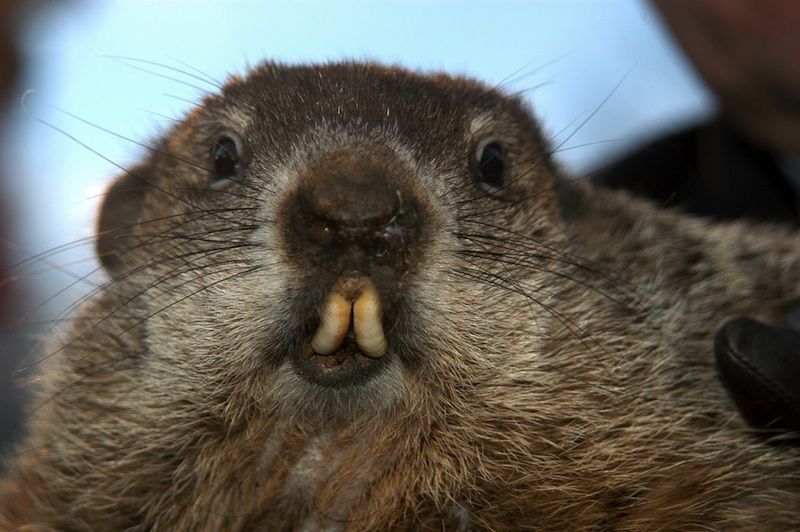
A groundhog, scientifically known as Marmota monax, is a large ground squirrel belonging to the Sciuridae family (the same family that includes tree squirrels and chipmunks). Also called a woodchuck, this rodent is one of 14 marmot species and is native to North America. Groundhogs typically measure 12 to 24 inches in length, weigh 6 to 13 pounds, and have stocky, muscular bodies built for powerful digging. Their broad faces, small ears, and short legs make them distinctively robust compared to other rodent species.
The name “woodchuck” possibly derives from an Algonquian word, while these animals are sometimes called “whistle pigs” for their loud, high-pitched alarm calls. Groundhogs are true hibernators, entering a deep sleep state from late October through February or early March, during which their body temperature and metabolic rate drop dramatically. This hibernation adaptation allows them to survive harsh winters without foraging for food above ground.
What is a Gopher?
Gophers, formally called pocket gophers, belong to the Geomyidae family and represent approximately 38 species distributed across North and Central America. These rodents earn their common name from the fur-lined cheek pouches they use to carry food and nesting materials underground. Pocket gophers are significantly smaller than groundhogs, measuring only 5 to 14 inches in length and rarely weighing more than two pounds. Their compact, cylindrical bodies are perfectly adapted for life underground, with powerful muscular forelegs, long digging claws, and small eyes and ears suited to subterranean existence.
According to Britannica, groundhogs belong to the marmot genus as one species within a larger group of 14 marmot species, which helps distinguish them from the entirely separate gopher family. Gophers have distinctive, chisel-like protruding yellow incisors that they keep exposed year-round. Unlike groundhogs, gophers remain active throughout winter, spending most months underground but never entering true hibernation. Instead, they access stored food caches and navigate their extensive tunnel networks during cold months.
Key Differences Between Groundhog and Gopher
| Feature | Groundhog | Gopher |
| Scientific Family | Sciuridae (squirrel family) | Geomyidae (gopher family) |
| Size | 12 – 24 inches long, 6 – 13 lbs | 5 – 14 inches long, under 2 lbs |
| Appearance | Broad stocky face, short legs | Compact cylindrical body, tiny eyes |
| Incisors | Teeth remain inside mouth | Protruding yellow chisel-like teeth |
| Cheek Pouches | None present | Large fur-lined pouches |
| Burrow Depth | 2 – 6 feet deep, up to 50 feet long | Shallow complex networks, up to 200 yards |
| Mound Shape | Wide open entrance holes, 10 – 12 inches | Crescent-shaped mounds, scattered tunnels |
| Hibernation | True hibernators (Oct-Feb) | Active year-round, no hibernation |
| Social Structure | Family units, not colonial | Solitary and territorial |
| Diet Preference | Vegetables, fruits, grasses, clover | Roots, tubers, succulent stems |
| Damage Type | Above-ground plant damage (leaves, bark) | Below-ground root damage, plants collapse |
The most obvious distinction between groundhog versus gopher is their size. Groundhogs are substantially larger, typically weighing 6 to 13 pounds compared to gophers’ maximum weight of 2 pounds. Their burrow systems reflect this size difference: groundhogs dig deeper, roomier tunnels with fewer, larger entrances, while gophers create extensive shallow networks with multiple small mounds. Additionally, groundhog versus gopher hibernation patterns diverge completely – groundhogs enter dormancy while gophers remain active and mobile underground through winter.
Identifying Each Pest in Your Yard
Distinguishing groundhog versus gopher in your yard requires observing burrow patterns and surface evidence. Groundhogs create large, horseshoe-shaped burrow systems with 1 – 2 main entrance holes measuring 10 to 12 inches in diameter and clearly visible raised soil mounds. You’ll typically see one primary burrow and perhaps a secondary escape route. Gophers, conversely, create numerous small crescent-shaped mounds scattered across a grid pattern, with tunnel entrances often sealed with soil plugs rather than left open.
Direct observation provides the clearest identification. Groundhogs venture above ground regularly, especially during early morning and evening hours, making them visible to homeowners. Gophers, being shy underground dwellers, rarely surface, so you’re more likely to observe only their mound evidence. If you glimpse the rodent itself, size offers instant confirmation – groundhog versus gopher will show dramatic size differences, with groundhogs resembling small bears and gophers appearing mouse-sized by comparison.
Damage Patterns and What They Mean
The damage patterns left by groundhog versus gopher infestations differ drastically. Groundhogs eat above-ground vegetation, consuming grasses, clover, vegetables, and fruits. You’ll observe plants with leaves and bark stripped away, clean cuts on garden rows, and plants that appear browsed. A single groundhog can devastate a garden, and damage occurs while plants remain visible above soil. In contrast, gopher damage manifests underground as collapsed plants with intact above-ground vegetation. Gophers tunnel beneath plants, severing roots and tubers, leaving gardeners mystified when plants suddenly wilt despite appearing healthy on the surface.
Structural damage is also different. Groundhogs dig deeper burrows that can undermine decks, sheds, driveways, and house foundations. A single groundhog burrow system can span 50 feet, creating serious structural concerns. Gophers cause less foundation damage due to their shallow tunnel systems, though extensive gopher networks can weaken soil stability in large areas. One gopher can move four tons of soil, creating hundreds of mounds across a property while causing primarily underground damage.
Frequently Asked Questions
Are groundhogs and gophers the same animal?
No. Groundhogs belong to the squirrel family (Sciuridae) and are also called woodchucks or marmots. Gophers belong to the separate Geomyidae family and are completely unrelated. They share only the common trait of being burrowing rodents and have entirely different families, sizes, behaviors, and ecological roles.
Which pest causes more garden damage – groundhog versus gopher?
This depends on your garden type. Groundhog versus gopher damage differs: gophers cause more root-and-tuber damage (root vegetables collapse), while groundhogs cause more leaf-and-fruit damage (visible destruction). For vegetable gardens with lots of root crops, gophers are typically more destructive. For fruit trees and leafy vegetables, groundhogs present the greater threat.
Can groundhogs and gophers live in the same yard?
Yes, though it’s uncommon. Groundhogs prefer woodland edges and open fields while gophers favor grasslands and agricultural areas, but habitat overlap exists. If you find evidence of both groundhog versus gopher activity, you likely have two separate infestations requiring different control strategies tailored to each species.
Control and Prevention Strategies
Understanding the difference between groundhog versus gopher is essential for effective pest management. Groundhogs are easier to deter using above-ground fencing (3 feet tall minimum) and can be trapped using live traps placed at burrow entrances. Gophers require different strategies: underground fencing placed 12 inches below ground in an L-shape proves more effective, as they tunnel through shallow soil. Castor oil-based repellents and predator urine deter gophers, while groundhogs respond better to motion-activated sprinklers and noise deterrents.
Both groundhog versus gopher removal may require professional pest control services, particularly for established infestations. Professional identification ensures you’re using appropriate control methods. For groundhogs, exclusion and removal are primary strategies. For gophers, persistent monitoring and multiple control approaches typically prove necessary. Regardless of which pest you face, early identification and prompt action prevent exponential damage expansion.

