

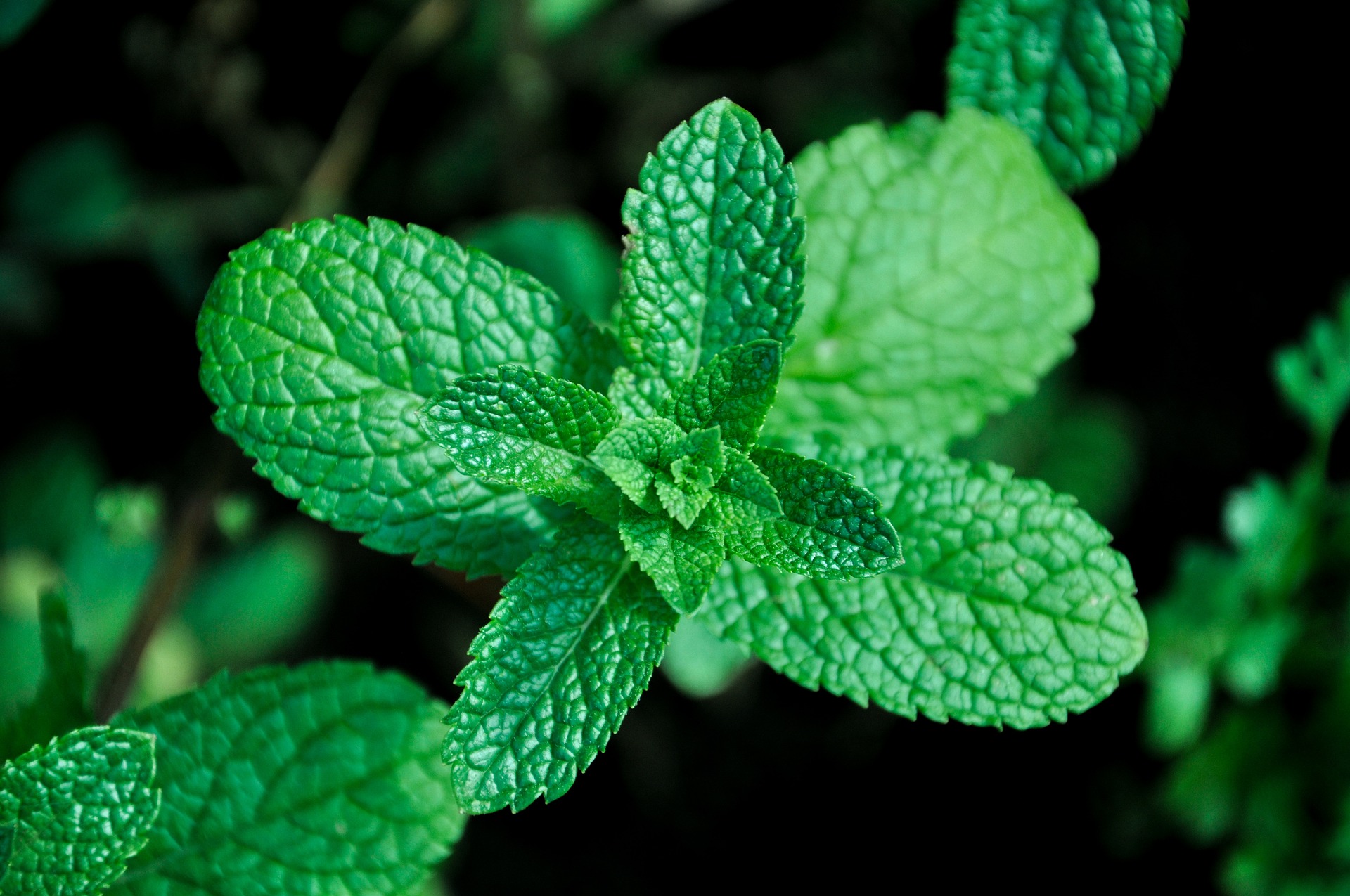
Most grocery stores sell plastic clamshells labeled simply “fresh mint,” but using the wrong variety can turn a gentle Mediterranean salad into something that tastes like toothpaste. Understanding the core distinctions behind mint vs peppermint vs spearmint helps you choose the right flavor profile, menthol level, and leaf for every recipe.
Table of Contents
| Feature | General Mint (Mentha) | Spearmint (Mentha spicata) | Peppermint (Mentha × piperita) |
|---|---|---|---|
| Botanical Status | Broad plant genus | Natural parent species | Hybrid (watermint × spearmint) |
| Dominant Chemical | Varies by species | Carvone (sweet, herbal) | Menthol (>40%, intense cooling) |
| Menthol Level | 0.5% to 50%+ | Less than 1% | Roughly 40% or more |
| Best Culinary Uses | Depends on species | Mojitos, lamb, tzatziki, salads | Chocolates, candies, hot teas |
| Visual Markers | Square stems, opposite leaves | Pointed tips, bright green | Rounded tips, darker green, reddish stems |
Mint vs Peppermint vs Spearmint: The Genus Mentha Explained
When cooks compare mint vs peppermint vs spearmint, they often confuse an entire botanical genus with individual culinary varieties. “Mint” is an umbrella term referring to the genus Mentha. This group belongs to the wider Lamiaceae plant family, which contains dozens of distinct species and hundreds of fragrant hybrids across the globe.
Whenever you examine mint vs peppermint vs spearmint botanically, spearmint stands out as an original ancestor. Spearmint, known scientifically as Mentha spicata, grows naturally across Europe and Asia. In fact, spearmint is the standard variety sold in North American grocery stores under the general label of “fresh mint.”
Peppermint (Mentha × piperita) is not a standalone wild species. Instead, peppermint is a sterile natural hybrid created by crossing watermint (Mentha aquatica) with common spearmint. Because peppermint cannot produce viable seeds, gardeners must propagate it through root runners or stem cuttings.
Evaluating mint vs peppermint vs spearmint requires recognizing that spearmint provided the genetic foundation for peppermint. While spearmint thrives as a true-breeding species, peppermint combines the bold watermint genetics with spearmint sweetness to produce an entirely distinct botanical profile.
Why Does Peppermint Taste Stronger Than Spearmint?
The sensory debate around mint vs peppermint vs spearmint comes down to organic chemistry. Peppermint packs a sharper punch because it contains roughly 40% or more menthol within its essential oil glands. Menthol triggers the cold-sensitive TRPM8 receptors on your tongue, producing an intense, icy sensation that lingers long after chewing.
Spearmint contains less than 1% menthol by weight. Consequently, spearmint does not freeze your palate or overwhelm delicate ingredients. Spearmint derives its sweeter, warmer, herbal profile predominantly from an organic compound called carvone, which produces a gentle fragrance without the bracing chill.
When you contrast mint vs peppermint vs spearmint on the tongue, that chemical gap explains why chewing a raw peppermint leaf feels medicinal. Watermint contributed heavy menthol concentrations during hybridization, transforming the mild carvone base of spearmint into a potent, cooling powerhouse.
This biochemical variance represents the single largest practical difference between the plants. High menthol gives peppermint its characteristic bite for lozenges and confections, whereas low-menthol carvone keeps spearmint soft and versatile in savory cooking.
Visual Identification: How to Tell Mint Leaves Apart
Telling the difference between mint vs peppermint vs spearmint in the garden is easy once you inspect the foliage and stem coloration. While all members of the Mentha genus share square stems and paired leaves, specific leaf shapes quickly reveal the variety.
Identifying Spearmint (Mentha spicata)
Spearmint gets its common name directly from its spear-shaped foliage. The leaves grow long, narrow, and sharply pointed at the tips, featuring deeply serrated edges and a vibrant, bright green hue. Spearmint stems remain green or pale chartreuse throughout the growing season.
When assessing garden foliage for mint vs peppermint vs spearmint, spearmint leaves also display noticeable vein texture with very short or nonexistent leaf stalks (petioles). Crushing a leaf releases a mild, sweet aroma with zero medicinal bite.
Identifying Peppermint (Mentha × piperita)
Peppermint foliage looks noticeably different from spearmint. Peppermint leaves are typically darker green and more rounded or oval, tapering gently toward the tip. They feature smoother surface textures, distinct petioles, and pronounced reddish-purple coloration along the square stems.
If you rub a leaf during a mint vs peppermint vs spearmint field test, peppermint immediately releases a piercing menthol scent. The dark purple-tinted stems and wider leaf shape provide unmistakable proof of its hybrid watermint heritage.
Best Culinary and Beverage Uses for Each Variety
Choosing incorrectly between mint vs peppermint vs spearmint can easily overpower a balanced dish. Because their primary chemical compounds behave differently under heat and acidity, each variety has carved out a dedicated place in classic culinary traditions.
When to Use Spearmint in Cooking and Cocktails
Spearmint is the uncontested star of savory dishes across Mediterranean, Middle Eastern, and Southeast Asian cooking. Its gentle carvone flavor complements grilled meats without clashing against garlic, citrus, or salt. For instance, authentic Greek tzatziki, Turkish yogurt sauces, and Middle Eastern lamb marinades rely strictly on spearmint.
When stocking a home bar for mint vs peppermint vs spearmint applications, always reach for spearmint. Classic drinks like the Cuban Mojito and the Southern Mint Julep require spearmint to deliver refreshing sweetness without turning medicinal when muddled with sugar and lime.
When to Choose Peppermint for Baking and Infusions
Peppermint dominates the dessert and confectionery world. Because high menthol stands up against rich fats, peppermint pairs cleanly with dark chocolate, frosting, and baked goods. It provides the crisp flavor punch in peppermint bark, candy canes, and hot peppermint patties.
Peppermint is also the standard choice for digestive herbal teas. Hot water extracts the cooling menthol oils, creating a strong infusion that soothes digestion and clears nasal passages. In the context of mint vs peppermint vs spearmint for hot infusions, peppermint offers superior strength and aroma.
Can You Substitute Peppermint for Spearmint in Recipes?
Directly swapping ingredients in a mint vs peppermint vs spearmint recipe requires extreme caution. In savory meals like tabbouleh, cucumber salads, or lamb rubs, substituting peppermint for spearmint usually ruins the balance. The high menthol content clashes with savory seasonings, making dinner taste uncomfortably like toothpaste.
However, you can substitute spearmint in most sweet recipes that call for peppermint. Spearmint creates a milder, sweeter dessert, though you may need to increase the quantity slightly to achieve a noticeable herbal note.
If you only have fresh peppermint and must replace spearmint in a beverage or sweet dish, cut the volume by two-thirds. For example, if a cocktail or syrup recipe calls for one tablespoon of chopped spearmint, use only one teaspoon of peppermint to avoid overwhelming the drink.
Whenever you weigh mint vs peppermint vs spearmint for an upcoming dinner, remember the golden rule: keep spearmint in the kitchen for savory dishes and cocktails, and save peppermint for rich chocolates, candies, and hot teas.
Reference: Peppermint vs. Spearmint: What’s the Difference? – Healthy Blog

