

The difference between bay and lagoon comes down to one thing: how open the water body is to the sea. A bay connects to a larger body of water through a wide mouth and moves with its tides. A lagoon sits behind a barrier – a reef, a sandbar, or a barrier island – that cuts off most of the exchange. Everything else about how each behaves flows from that single distinction.
Table of Contents
What is the difference between bay and lagoon?
The short answer: the difference between bay and lagoon is the barrier – or lack of one – between the water body and the open sea. A bay is a partially enclosed indent of coastline with a wide, unobstructed opening to the ocean, a larger sea, or a big lake. Its water mixes freely with the parent body, so it shares the same salinity, temperature, and tidal rhythm.
A lagoon is also partially enclosed, but the enclosure is much tighter. A physical barrier – a coral reef, a barrier island, or a long sandbar – sits between the lagoon and the open water, letting only trickles pass through narrow inlets. That restricted flow reshapes the water inside: warmer, often saltier or brackish, quieter, and largely tide-free.
What is a bay?
A bay sits at one end of the difference between bay and lagoon: it’s a curve of coastline where the sea reaches into the land through a wide, open mouth. Because the connection is so broad, the water inside a bay behaves almost identically to the open sea – same tides, same salinity, similar currents. The land shapes the bay; it doesn’t seal it off.
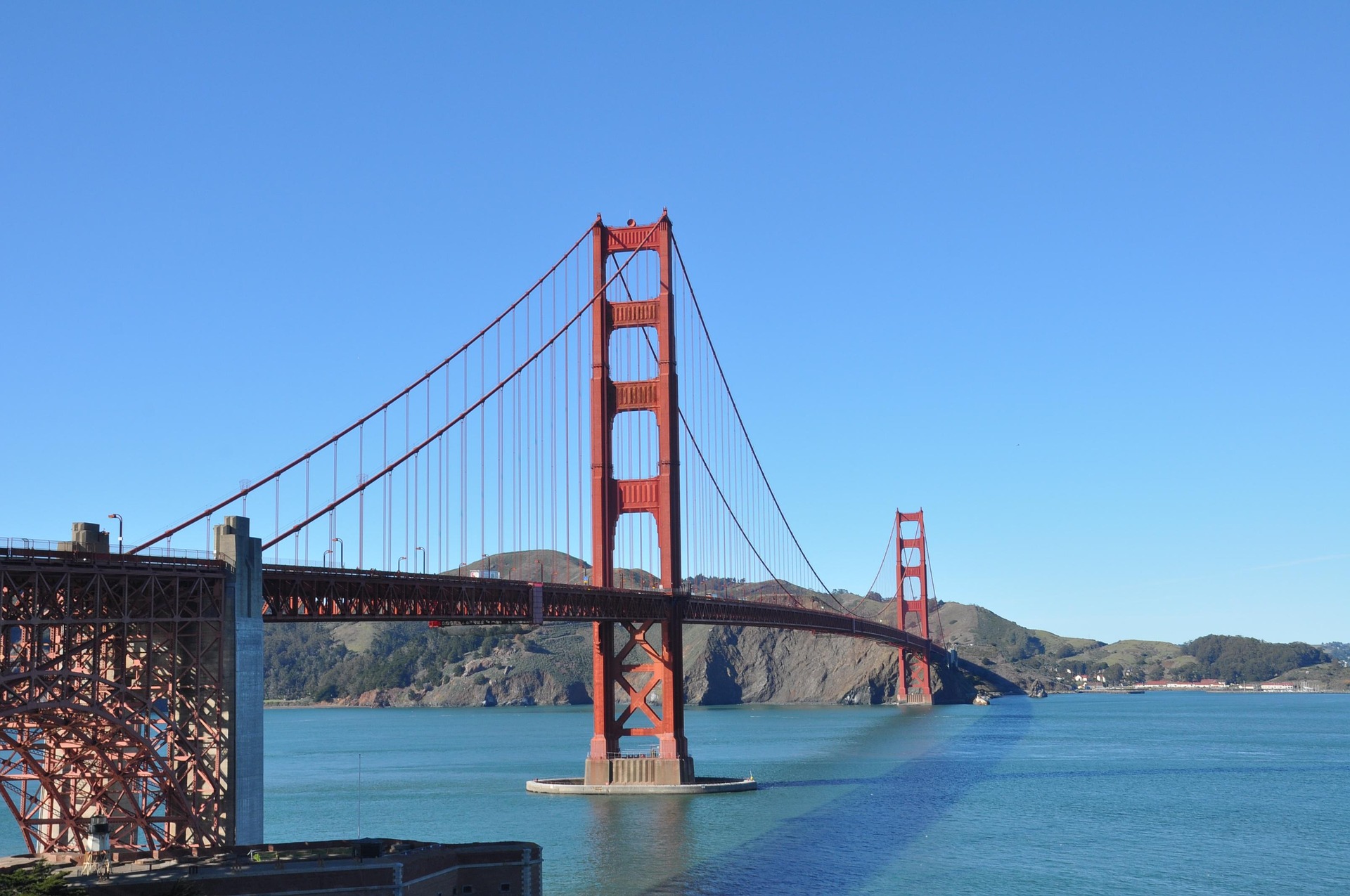
Bays form in a few different ways. Some are “drowned” river valleys where sea levels rose after the last ice age – Chesapeake Bay is the classic case. Others are carved by glaciers (Hudson Bay), created by tectonic subsidence (San Francisco Bay), or opened by wave erosion of softer rock along the coast. Whatever the origin, the defining feature stays the same: a wide, open mouth to the parent water body.
What is a lagoon?
A lagoon, on the other side of the difference between bay and lagoon, is a shallow body of water that a barrier keeps mostly separate from the sea. That barrier is usually one of three things: a coral reef (in the atoll lagoons scattered across the Pacific and Indian Oceans), a barrier island (as with the lagoons behind the Outer Banks in North Carolina, or the Venetian Lagoon in Italy), or a long sandbar built up by wave and current action.
Because water exchange with the sea is so restricted, lagoons develop their own characters. That restricted flow is exactly where the difference between bay and lagoon shows up biologically. Some lagoons are hypersaline – evaporation removes water faster than the barrier lets it in, so the salinity climbs above ocean levels. Others are brackish, freshened by rivers or streams flowing in from the land side. Almost all are shallow, with most less than 6 meters (about 20 feet) deep, and noticeably warmer than the open sea at the same latitude. For a fuller technical overview, Britannica’s article on lagoons covers the atoll, coastal, and river-mouth variants in more depth.
Difference between bay and lagoon: 5 key points
When people ask about the difference between bay and lagoon, five specific traits do most of the work. Here they are side by side:
- Connection to the sea. A bay has a wide, open mouth to the ocean or a larger water body. A lagoon has a narrow barrier – reef, sandbar, or barrier island – that admits water only through small inlets.
- Size and depth. Bays range from small coves to enormous inland seas (Hudson Bay covers 1.23 million km²). Lagoons are almost always small and shallow, most under 20 feet deep and no more than a few kilometers across.
- Tides. Bays share the full tidal range of the open water they connect to. Lagoons have muted or nearly nonexistent tides because the barrier absorbs and delays the tidal signal.
- Salinity. Bay water sits close to ocean salinity (~35 parts per thousand). Lagoon salinity swings widely – hypersaline in hot dry regions, brackish where freshwater flows in, sometimes shifting with the seasons.
- Formation. Bays are usually shaped by erosion, drowned river valleys, or tectonics. Lagoons form when a barrier – biological (coral) or physical (sandbar or barrier island) – grows or accumulates seaward of a coastal indent.
Where the difference between bay and lagoon actually matters
You can spot the difference between bay and lagoon on a map, but it matters more once you look at what lives – and works – inside them. Bays support diverse marine ecosystems fed by ocean water and river inflow: Chesapeake Bay’s oyster reefs, San Francisco Bay’s estuarine wetlands, the fisheries of the Bay of Bengal. Big ports sit on bays because the open access lets ships come and go without tide-locking the harbor.
Lagoons run smaller and more specialized. Coastal lagoons behind barrier islands act as nurseries for shrimp, crabs, and juvenile fish – the calm, warm, protected water is ideal for spawning. Atoll lagoons inside coral reefs harbor spectacular biodiversity, but they’re also fragile because the barrier that isolates them also traps pollutants. Salt production, aquaculture, and tourism cluster around lagoons for the same reason they exist as distinct bodies: the water stays put. That’s the human-scale side of the difference between bay and lagoon – jobs and coastal economies get built around it.
Freshwater flow matters differently on each side of the difference between bay and lagoon. In a bay, a river empties into a body already stirred by the sea, so mixing creates estuarine zones. In a lagoon, an inflowing river or stream can freshen the whole basin – turning what would otherwise be a saline pool into brackish habitat. If you’re already thinking about how flowing water gets classified, the difference between a creek and a river follows the same size-and-flow logic that separates a small stream from a real waterway.
Which is bigger – a bay or a lagoon?
Almost always a bay. Even a modest bay like Discovery Bay in Washington covers about 7 km²; the Bay of Bengal spans 2.17 million km². Lagoons run smaller – from a few hectares to a few hundred square kilometers at the outer edge. The largest lagoon in the world, Lagoa dos Patos in Brazil, comes in at about 10,000 km², still smaller than most sizeable bays.
That said, size isn’t what defines the difference between bay and lagoon. The mouth-versus-barrier distinction is. A tiny cove with an open mouth is a bay; a huge shallow water body sealed off by a reef or barrier island is a lagoon. Get that difference between bay and lagoon straight and the size ranking usually falls into place on its own.
Frequently asked questions
Can a lagoon sit inside a bay?
Yes – and this is where the difference between bay and lagoon gets subtle. A large bay can contain lagoons when barrier islands or sandbars have grown inside it. Chincoteague Bay off Virginia is technically a bay, but the sheltered water behind Assateague Island’s spits and barrier features often gets described as lagoonal. The classification depends on the specific enclosure geometry, not on where the water sits on the map.
Is a lagoon the same as a saltwater pond?
No. A lagoon is defined by its barrier-based separation from a larger body of water it’s still connected to, however narrowly. A saltwater pond can be completely isolated – no inlet, no outlet, no connection to the sea except through occasional overwash or groundwater. The difference between bay and lagoon, and the difference between a lagoon and a saltwater pond, both come down to the connection itself: how big it is, and whether it exists at all.
Do lagoons have tides?
Barely. Most lagoons show a very muted tidal range – sometimes only a few centimeters – because the barrier smooths and delays the tidal signal from the open sea. Bays, by contrast, share the full tidal cycle of their parent body. That tidal contrast is one of the fastest ways to feel the difference between bay and lagoon in person: stand on a bay shoreline for six hours and you’ll watch the water climb and drop by meters; do the same on a coral atoll lagoon and the water barely notices.
The bottom line
The difference between bay and lagoon is small on a map and large in practice: a bay opens to the sea; a lagoon sits behind a barrier. That single split governs the tides, the salinity, the depth, the ecology, and even the economics of what happens inside each. Remember the one-sentence version – open mouth versus enclosed barrier – and the rest of the difference between bay and lagoon starts to feel obvious every time you see a coastline map.

