

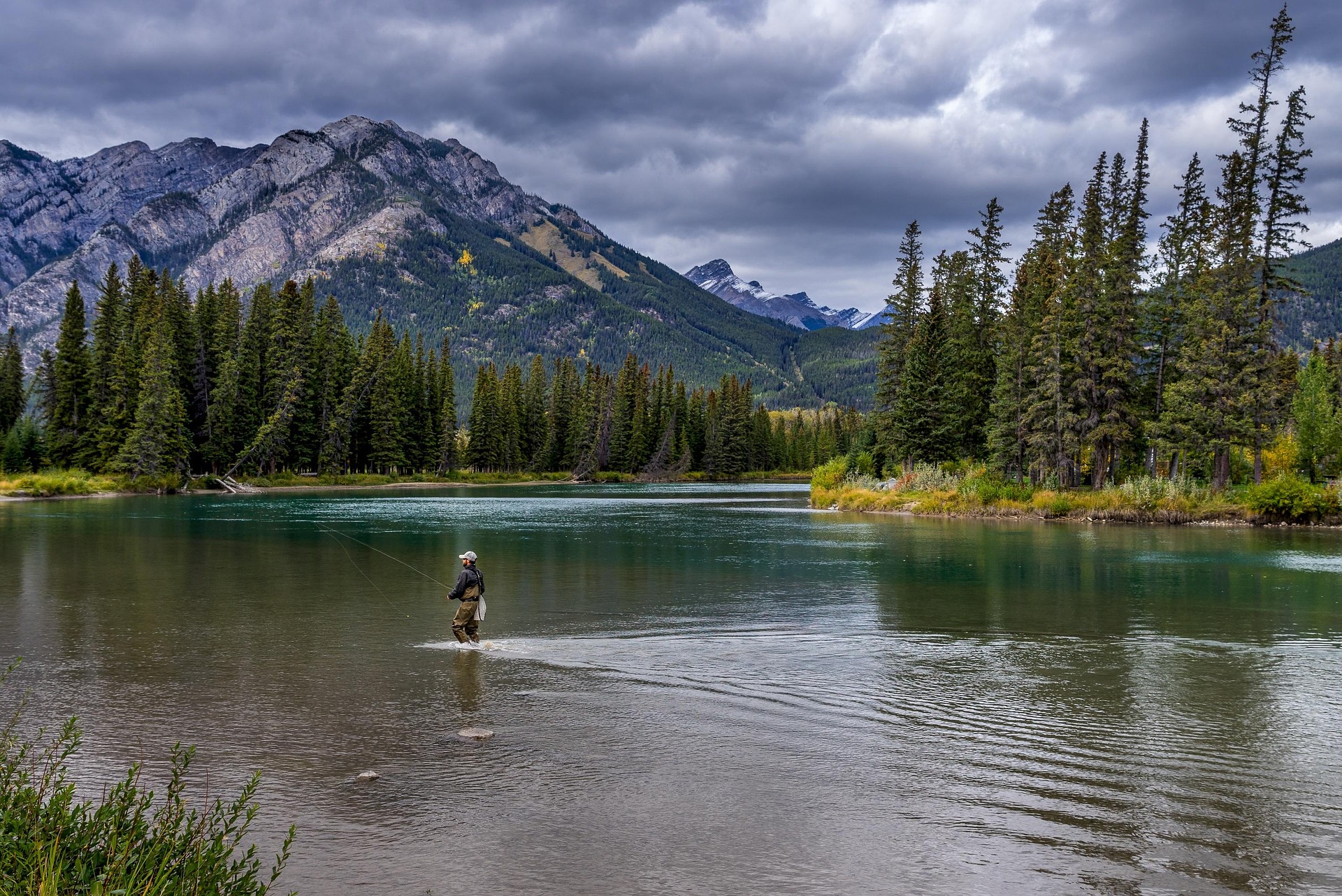
If you stand beside a fast-moving stream, you might wonder about the exact difference between a creek and a river. While both are natural bodies of flowing water, rivers are significantly larger, deeper, and carry far more volume. This guide breaks down the physical, scientific, and regional traits that set them apart.
Table of Contents
| Feature | Creek | River |
|---|---|---|
| Relative Size | Narrow and shallow | Wide and deep |
| Water Volume | Low discharge rate (cfs) | High discharge rate (cfs) |
| Flow Permanence | Often seasonal or intermittent | Usually perennial and steady |
| Hydrological Role | Tributary to larger streams | Feeds lakes, seas, or oceans |
What Is the Primary Difference Between a Creek and a River?
The core difference between a creek and a river lies in overall scale, depth, and water flow. A river is a large, natural watercourse that flows into an ocean, sea, lake, or another river. In contrast, a creek is typically smaller, shallower, and narrower. Consequently, you can often wade across a local creek without much effort, while crossing a river usually requires a bridge or boat.
When analyzing the difference between a creek and a river, volume and speed also play major roles. Creeks generally carry a lower volume of water and move at slower speeds. Because they hold less water overall, creeks are more prone to drying up during hot, rainless seasons. Rivers maintain a much larger discharge rate, which measures flow in cubic feet per second (cfs). As a result, rivers flow continuously throughout the year, sustaining heavy currents even during dry spells.
There is no strict official scientific measurement in width, depth, or flow rate that legally establishes the difference between a creek and a river. Organizations like the United States Geological Survey (USGS) monitor both types of waterways without enforcing a rigid depth threshold. Instead, geologists use relative size and local context to describe each flowing channel.
How Hydrologists Classify Flowing Water
Instead of relying on common naming labels, hydrologists rely on systemized scales to categorize streams. To understand the subtle difference between a creek and a river scientifically, researchers use the Strahler stream order system. This system ranks channels based on how tributaries connect within a watershed.
- First-order streams: Small headwaters with no incoming tributaries, often called brooks or trickles.
- Second-order streams: Formed when two first-order streams meet and combine their flow.
- Third-order streams: Created when two second-order channels merge, typically forming a clear creek.
- High-order streams: Large rivers usually measure as fourth-order channels or higher, with the Amazon River reaching a high order of twelve.
Viewing the difference between a creek and a river through stream hierarchy shows how water travels downhill from high headwaters, accumulating volume from each joining stream. Small brooks feed into creeks, and those creeks feed into rivers. This logical progression illustrates how smaller waterways continually build up the total capacity of an entire river system.
Can a Creek Turn Into a River?
Yes, a creek can turn into a river as it accumulates more water from surrounding land. Water moving through a watershed constantly seeks the path of least resistance. When several small creeks converge, their combined volume creates a wider, deeper channel with greater energy.
Over long periods, water erodes the surrounding banks and deepens the channel bed. This process increases the stream order and transforms a modest tributary into a full-fledged river. In many watersheds, the difference between a creek and a river is simply a matter of distance downstream, as headwater trickles gradually gather enough volume to earn a river designation.
The transition happens gradually across the landscape. The physical shift depends entirely on rainfall patterns, soil absorption, and geographical slope. Therefore, a single continuous flow of water might be called a creek near its source and a river near its mouth.
Regional Naming Conventions and Local Exceptions
While physical size usually sets these waterways apart, historical naming practices can complicate the distinction. The practical difference between a creek and a river often gets blurred by regional dialects and historic settler choices. In many places, early explorers named waterways without measuring their true depth or flow.
In Australia and parts of the southern United States, large tidal inlets or ocean tributaries are historically named creeks. Even though the physical difference between a creek and a river suggests smaller channels, some of these coastal creeks match the width and discharge rate of famous rivers found elsewhere in the world. For instance, tidal channels along low-lying coastal plains often carry massive volumes of water, yet retain their historical name of “creek.”
Conversely, some small, shallow streams in North America hold the title of “river” simply because early cartographers designated them as such on early maps. Because geographic names rarely change once printed on official topmaps, local naming history frequently overrules modern scientific definitions.
Ecosystem and Habitat Variations
The ecological difference between a creek and a river is vast, shaping entirely distinct aquatic communities. A shallow creek typically supports a distinct riparian zone along its edges. Because light easily reaches the shallow bottom of a creek, underwater plants, algae, and small aquatic insects thrive throughout the channel.
Rivers create much broader, deeper ecosystems that support larger aquatic life. Deep water blocks sun from reaching the riverbed, shifting the base of the food web. Large fish species, aquatic mammals, and migratory birds rely heavily on the deep channels and massive flow of mainstem rivers.
Near the mouth of a river, fresh water mixes with ocean tides to form a brackish estuary. These nutrient-rich zones serve as vital nurseries for marine life. While coastal creeks can also enter salt water, rivers deliver the massive nutrient loads that shape entire coastal marine habitats.
Ultimately, understanding the difference between a creek and a river comes down to looking at water volume, flow depth, and hydrological role. For most outdoors enthusiasts, if you can safely walk across the channel in rubber boots, you are looking at a creek.

