

When raw bar lovers gather around a ice platter, one debate always comes up: are east coast or west coast oysters better? Atlantic and Pacific waters shape these bivalves into completely different culinary experiences. The right choice for your plate comes down to whether you prefer high-salinity punch or creamy sweetness.
Table of Contents
| Feature | East Coast Oysters | West Coast Oysters |
|---|---|---|
| Shell Appearance | Smooth, cupped, teardrop shape with straight edges | Fluted, jagged, ruffled shell with purple or green hues |
| Primary Species | Crassostrea virginica (Eastern oyster) | Crassostrea gigas (Pacific oyster), Kumamoto, Olympia |
| Flavor Profile | Salty, savory, crisp ocean brine | Sweet, buttery, with melon or cucumber finish |
| Meat Texture | Chewy, firm, lean, and light | Plump, soft, creamy, and rich |
| Popular Varieties | Blue Point, Wellfleet, Malpeque | Kumamoto, Taylor Jumbo, Hog Island |
Shell Appearance and Shape
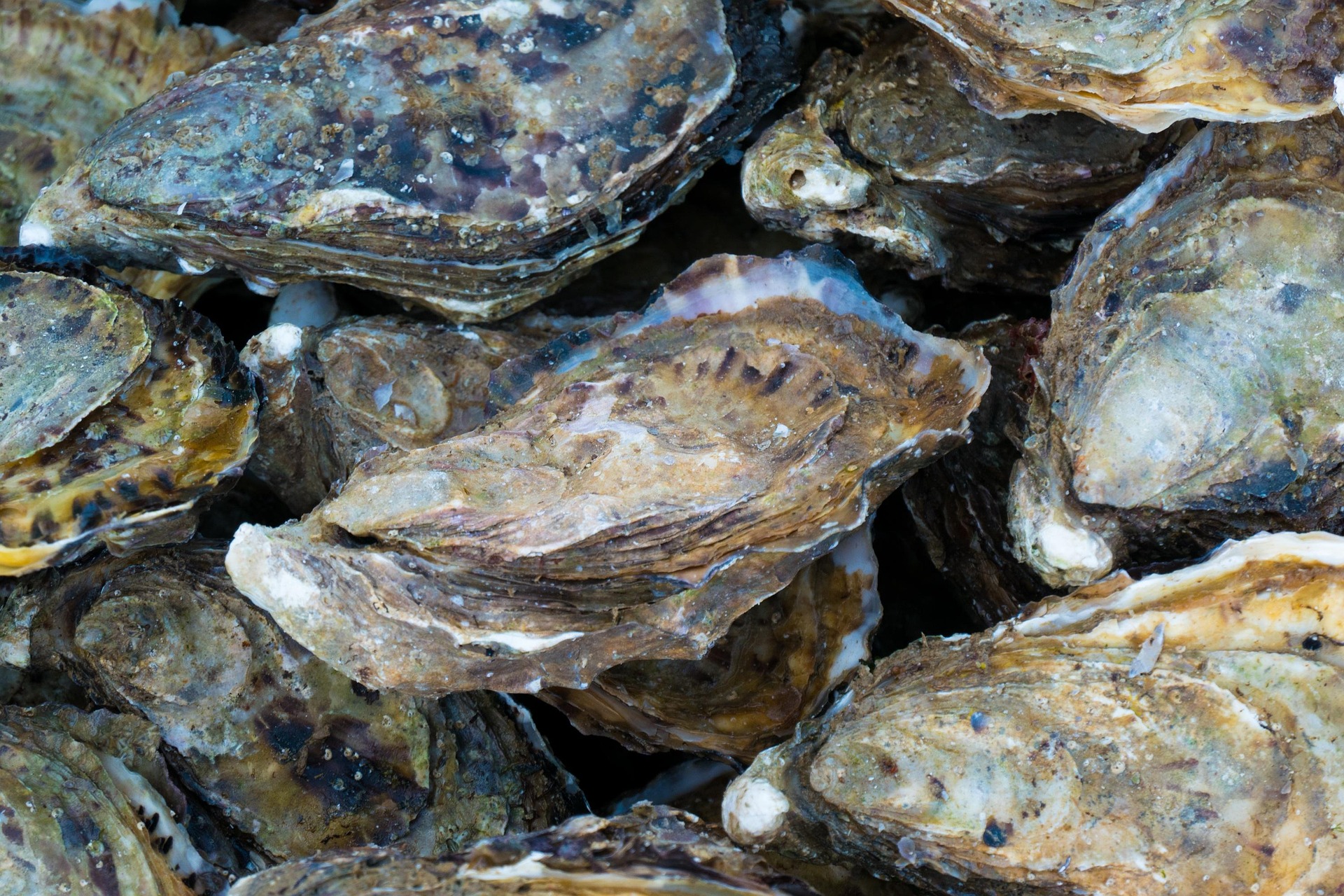
You can identify an oyster before you even open it. Cold Atlantic waters form smooth, hard shells. East Coast shells generally feature a rounded teardrop outline with sharp, straight outer edges. The shell exterior ranges from dull gray to brown, reflecting the muddy floors of eastern bays.
Pacific waters create dramatic contrast. West Coast shells have ornate, jagged ruffles along their deep cups. You will often notice distinct purple or green streaks running along the outer ridge. Their deep shape cradles the meat, holding plenty of natural ocean liquor after shucking.
Harvesting techniques also shape these outer shells. Eastern growers often handle wild-dredged or bottom-cultured stock. Western growers rely heavily on floating bags or tumble culture. Consequently, western shells stay deep and thick, protecting the delicate flesh inside.
Flavor Profile: Brine vs Sweetness
Water chemistry plays a huge role in taste. East Coast oysters feed in high-salinity Atlantic ocean currents. As a result, they pack an immediate burst of salty brine. Their finish feels crisp and mineral-heavy, leaving a sharp, clean taste on your tongue.
When people debate are east coast or west coast oysters better, taste preferences take center stage. West Coast varieties grow in lower-salinity bays fed by freshwater rivers. Therefore, they offer a noticeably sweeter profile with low salt content. Many diners detect clear notes of cucumber or green melon on the finish.
Temperature affects this flavor development throughout the year. Cold winter waters force the bivalves to store glycogen for fuel. This natural storage process boosts sweet flavors during cold months. In summer, spawning changes the taste, making winter the prime season to sample both coasts side by side.
Texture and Meat Characteristics
The physical feel of the oyster meat differs sharply between coasts. Eastern oysters yield a firm, lean bite. Their flesh stays light and slightly springy, matching their brisk, salty liquid. Because the meat is lean, you can easily eat a dozen without feeling weighed down.
Pacific oysters feel far richer on the palate. Their plump meat fills the shell completely, offering a velvety texture. Some diners compare eating a Pacific oyster to biting into soft butter. This rich texture makes them feel far heavier during a raw bar meal.
When deciding are east coast or west coast oysters better for cold preparation, texture matters immensely. Firm eastern oysters hold up well to lemon or spicy mignonette sauces. Creamier western oysters shine best with minimal additions, like a light dash of rice vinegar or plain cucumber melt.
Top Popular Varieties from Each Coast
Understanding specific varieties helps you order with confidence. East Coast menus almost exclusively feature Crassostrea virginica. Notable Atlantic varieties include:
- Wellfleet (Massachusetts): Known for intense brine followed by a sweet, seaweed finish.
- Blue Point (Long Island): A classic, approachable option with mild saltiness and crisp meat.
- Malpeque (Prince Edward Island): Light-bodied with balanced brine and a clean mineral bite.
West Coast raw bars offer broader genetic diversity. You will find several distinct species on the menu:
- Kumamoto (Crassostrea sikamea): Small, deeply cupped shells with fruity, buttery sweetness.
- Penn Cove Select (Washington): Pacific oysters offering firm texture and distinct cucumber notes.
- Olympia (Ostrea lurida): The only native West Coast species, tiny with bold metallic sweetness.
So, Are East Coast or West Coast Oysters Better?
If you ask three raw bar chefs whether are east coast or west coast oysters better, you will get three different answers. Neither coast produces an objectively superior oyster. Instead, each ocean environment excels at a distinct style.
Choose East Coast oysters if you crave pure, crisp ocean brine. Their firm texture makes them ideal for classic raw bar dining with horseradish or cocktail sauce. Beginners who love salty seafood usually favor Atlantic varieties right away.
Choose West Coast oysters if you prefer creamy texture and rich, melon-like sweetness. Their lower salinity makes them gentler on sensitive palates. However, their rich meat can feel overwhelming if you plan to eat multiple dozen in one sitting.
The best strategy is to order a mixed flight at your next seafood house. Start with high-brine Atlantic selections to awaken your palate. Then shift to sweet Pacific varieties to finish your meal. Trying both side by side proves that diversity is what makes the raw bar so exciting.
Reference: East Coast vs. West Coast Oysters: Flavor & Merroir Comparison

