

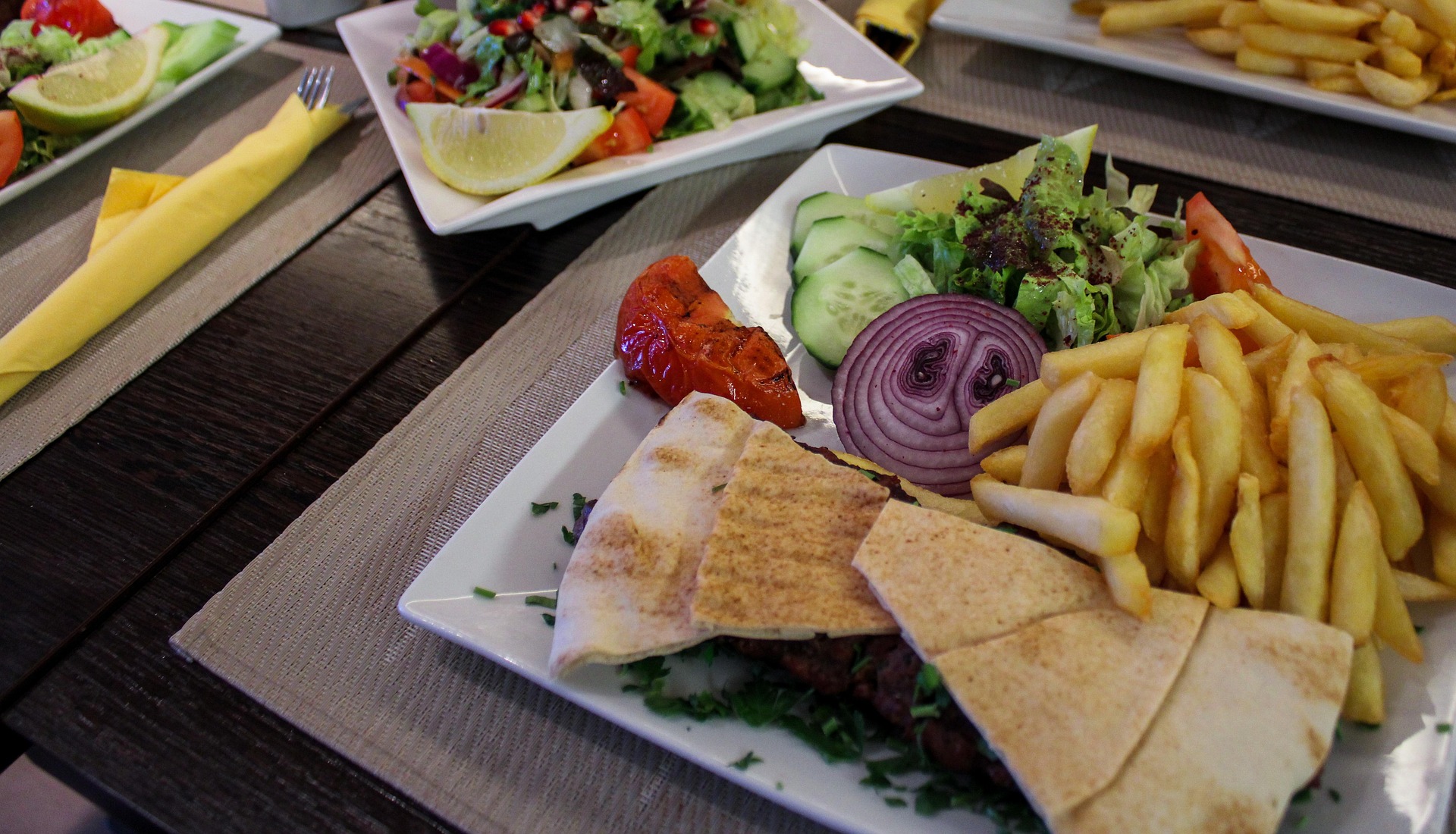
Cafe or restaurant is a question people ask when trying to figure out where to go for a specific meal, and it’s the same question people ask when deciding what kind of food business to open. In both cases, the answer depends on scale, service style, and what the customer actually wants at that moment. The cafe or restaurant call is fundamentally about matching the venue to the occasion, or the business model to the market.
Table of Contents
Where the cafe or restaurant line actually falls
Cafe or restaurant is really a spectrum, not two clean boxes. A cafe centers on drinks (mostly coffee, tea, and other non-alcoholic options) with pastries, sandwiches, and light meals as the food side. Service is typically at the counter, seating is casual, and the whole visit runs shorter: 15 minutes for a coffee to go, an hour or two for someone with a laptop.
A restaurant centers on meals. Table service is standard, the menu covers appetizers through dessert, alcohol is usually available, and the average visit runs 45 to 90 minutes. The kitchen is larger, staff is bigger, and the whole operation is built around the multi-course meal. Between the two poles sit bistros, brasseries, gastropubs, delis, and cafe-restaurants that blur the boundary on purpose. But the cafe or restaurant question, at its core, is about whether the visit is centered on a drink or centered on a meal.
What is a cafe?
A cafe is a food business whose main focus is coffee, tea, and other non-alcoholic drinks, with food playing a supporting role. The origin is European: the French café, the Italian caffè, the Viennese kaffeehaus, all rooted in the coffeehouses that spread across the continent in the 17th and 18th centuries. Wikipedia’s overview of the coffeehouse covers that history in more depth if you want the context. The modern cafe carries the tradition even when it uses the American word “cafe” without the accent.
Menu-wise, a typical cafe runs 15 to 30 items: coffee drinks, teas, cold drinks, breakfast pastries, sandwiches, a few salads, and dessert. Prices sit lower than a restaurant because most orders are single items. Service is usually at the counter (you order, pay, and often carry your drink to the table yourself), though some cafes add table service for food orders.
Hours skew earlier than restaurants: 7 a.m. to 6 p.m. is common, breakfast and lunch dominate, and full dinner service is rare. In the cafe or restaurant business-licensing split, cafes often qualify for simpler food-service permits because they typically don’t do full-scale cooking.
What is a restaurant?
A restaurant is a food business built around serving prepared meals to seated customers with table service. The menu is broader (30 to 100-plus items in most cases), the kitchen is a full commercial operation, and the visit is structured around a meal rather than a drink.
Restaurants come in every price band, from a $12 diner plate to a $400 tasting menu. What ties the category together is the ritual: a customer sits, a server takes an order, a chef prepares the meal, and the check comes at the end. The cafe or restaurant licensing difference is meaningful in most jurisdictions. A restaurant almost always needs a full food-service license, and if it serves alcohol (which most do), it needs a separate liquor license as well. Health inspections cover more surface area because the kitchen is larger and the risk profile is higher, and that turns a restaurant into a significantly bigger business commitment than a cafe.
Cafe or restaurant: how the two actually differ
When you compare cafe or restaurant in real life (as a customer or as a business owner), five practical differences do most of the work:
- Food scope. Cafes serve light fare: pastries, sandwiches, salads, small plates. Restaurants serve full meals: appetizers, entrees, sides, desserts.
- Service style. Cafes typically use counter service. You order, pay, and often carry your food to the table. Restaurants use full table service, with waitstaff handling ordering, food delivery, and the check.
- Beverage focus. Cafes revolve around coffee, tea, and cold non-alcoholic drinks. Wine and beer are absent from most cafes, and limited when present. Restaurants build full wine lists (with a real split between the difference between dry wine and sweet wine that most menus track), stock bar programs, and treat beverage sales as a major revenue stream.
- Visit duration. Cafe stops run from 15 minutes for a takeaway coffee to two or three hours for the laptop crowd. Restaurant meals run from 45 minutes for a fast lunch to two-plus hours for dinner.
- Price point. Cafes charge per item, and $5 to $15 per order is typical. Restaurants charge per meal, and $15 to $150-plus per person depending on the establishment.
Cafe or restaurant for the occasion
The cafe or restaurant decision, from a customer’s perspective, mostly comes down to what the visit needs to accomplish. Some concrete rules that resolve most cases:
- Morning coffee, a pastry, working on a laptop: Cafe. This is the visit cafes are designed for.
- Business lunch with a client, needing table service and quiet conversation: Restaurant. Cafes usually get too noisy for a working meeting.
- Casual meetup with friends, catching up over a drink: Either works. Cafe if the meeting is short and daytime; restaurant if it’s dinner or if wine or cocktails matter.
- Family dinner or a special occasion: Restaurant, almost always. Cafes rarely have the menu depth, evening hours, or seating arrangement to host a group meal.
- Solo meal on a work trip: Depends on the meal. Breakfast or lunch, a cafe is often better. Dinner, most people want a restaurant.
- Quick grab-and-go: Cafe. Ordering at a counter is faster than sitting for table service.
Cafe or restaurant as a business
The cafe or restaurant question flips when you are the one opening the business. The two models have very different capital requirements, staffing needs, and margin structures, and a lot of new food entrepreneurs pick the wrong model for the market they want to serve.
Cafes are cheaper to open. A basic cafe build-out runs $80,000 to $250,000 depending on the location and the equipment. The kitchen is smaller, so the buildout is faster and permitting is simpler. Staffing is lighter (a barista, a food prep person, and a manager for a small operation). Coffee has high gross margins – a $5 latte costs the operator well under a dollar in materials – which is why cafes can survive on lower daily revenue.
Restaurants require more capital up front. A modest restaurant build-out runs $250,000 to $750,000, and full-service dinner restaurants can top $1 million once you factor in liquor license, bar buildout, and inventory. Staffing is heavier: a chef, line cooks, prep cooks, dishwashers, servers, host, manager, and often a sommelier or bar staff. Food costs consume 28 to 35 percent of revenue in most restaurants, and labor takes another 30 percent or more. Alcohol sales help significantly, because beverage margins are usually the difference between a profitable restaurant and one that closes within a year.
For anyone comparing the cafe or restaurant path as a business, the practical difference is that a cafe is a simpler operation with tighter per-order margins on more customers, and a restaurant is a more complex operation with wider per-check margins on fewer customers per shift.
Frequently asked questions
Is a coffee shop the same as a cafe?
Effectively yes, in American usage. “Coffee shop” tends to lean casual and drink-focused (Starbucks calls itself a coffee shop). “Cafe” often signals a slightly more European or food-inclusive style, but the categories overlap heavily. When people ask cafe or restaurant, “coffee shop” falls firmly on the cafe side of that split.
Can a cafe serve alcohol?
Yes, if it has the appropriate liquor license. Many modern cafes serve beer and wine in the afternoon and evening, especially in cities. Adding alcohol usually shifts the cafe or restaurant classification for licensing purposes: a coffee-focused venue that opens a bar program starts looking like a cafe-restaurant hybrid and often has to file for a different permit tier.
What is a bistro or brasserie in this comparison?
Both sit in the middle of the cafe or restaurant spectrum. A bistro is a small, casual restaurant with a limited menu, often French-influenced. A brasserie is larger, more restaurant-like, with longer hours and a fuller menu including beer. Neither is a cafe in the strict sense, but neither is a full-service white-tablecloth restaurant either. The middle of the venue map is crowded and useful, especially in cities.
Putting it in perspective
The cafe or restaurant question, whether you are picking where to eat or picking what to open, has the same underlying answer either way: it depends on what you want the visit (or the business) to be. A cafe is built for shorter, drink-centered stops with light food. A restaurant is built for full meals with table service and (usually) alcohol. Between them sits a spectrum of hybrid venues (bistros, brasseries, gastropubs, delis) that borrow from both models. Match the venue to the occasion, or the business model to the market you want to serve, and the cafe or restaurant call sorts itself out.

