

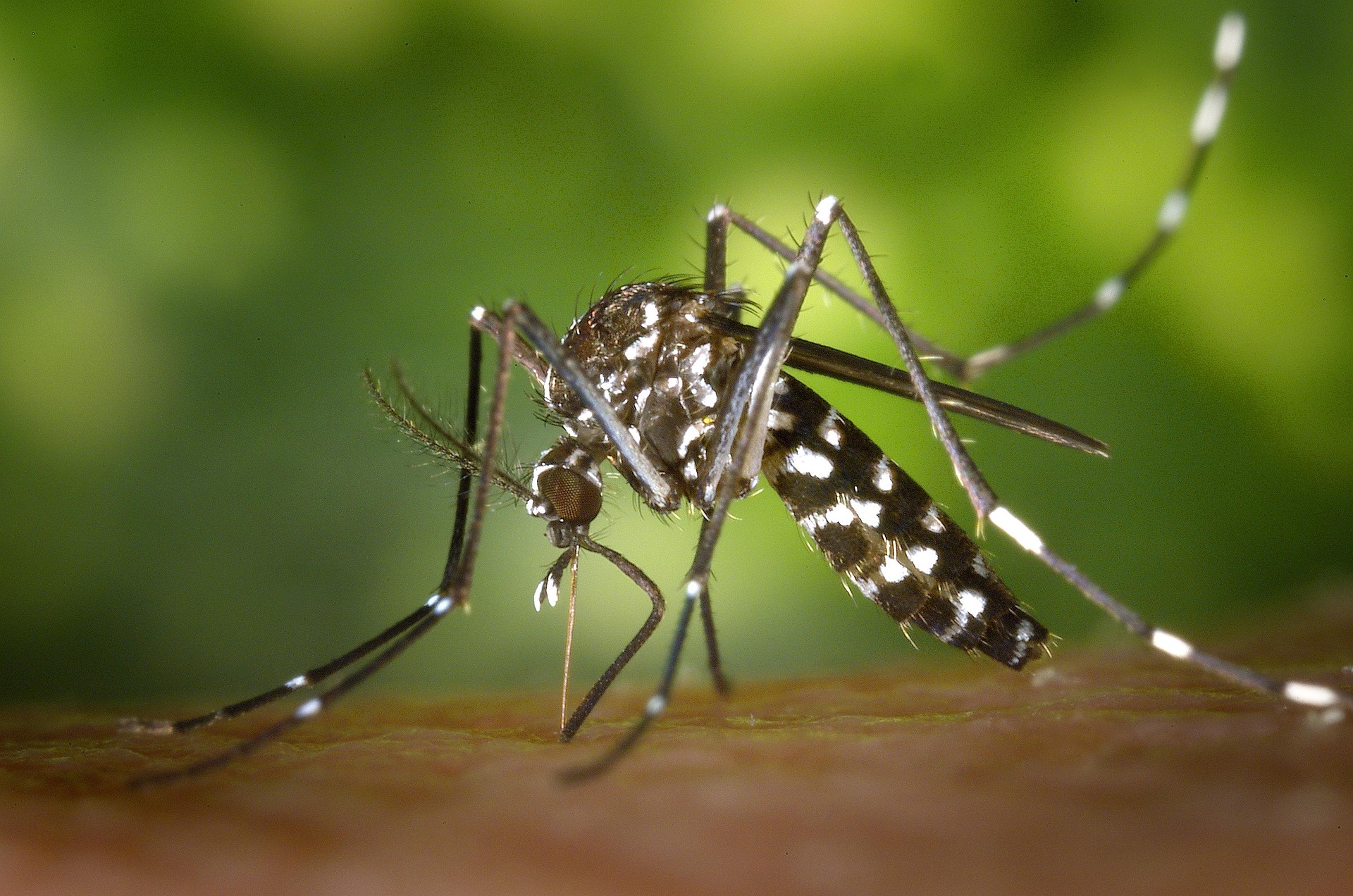
Unexplained skin bumps can leave you guessing, but telling a mosquito versus spider bite apart usually comes down to whether it itches instantly or stings later. While mosquitoes leave soft, puffy hives that itch right away, true spider bites are rare and typically feel like a painful pinch. Here is how to quickly identify what bit you and treat it safely.
Table of Contents
| Feature | Mosquito Bite | Spider Bite |
|---|---|---|
| Visual Appearance | Soft, puffy, reddish-white raised hive | Single localized red bump, often with target ring |
| Puncture Marks | Single unnoticeable central dot | Sometimes two distinct micro-fang marks (punctum) |
| Primary Sensation | Immediate, intense itching | Localized stinging or sharp pain that develops later |
| Symptom Onset | Instant or within minutes | Delayed pain developing over 2 to 8 hours |
| Typical Duration | Resolves in 3 to 7 days | Minor bites clear in days; severe ones worsen over time |
How to Tell a Mosquito Versus Spider Bite Apart
Most skin reactions happen when you are outdoors, but their visual clues differ immediately. Knowing how to analyze a mosquito versus spider bite helps you pick the right treatment right away. Mosquitoes feed on your blood and move on, leaving a classic histamine flare. Spiders only bite in defense when trapped against your skin.
Visual Appearance and Puncture Marks
A mosquito bite produces a puffy, soft bump with a tiny center point. The skin around it turns red, raised, and warm to the touch. In contrast, distinguishing a mosquito versus spider bite often relies on looking for double puncture marks. A spider bite leaves two micro-puncture marks from its fangs, known clinically as punctum. However, these marks are small, so you might need a magnifying lens to spot them cleanly.
Spider bites also tend to remain more isolated and dense than mosquito welts. Mosquitoes frequently bite exposed limbs in clusters, while spiders bite just once on covered skin.
Itching Versus Pain and Timeline of Symptoms
The immediate feeling on your skin tells you a lot. A mosquito bite starts itching almost instantly because your body reacts to proteins in mosquito saliva. The swelling peaks within hours and slowly fades over a few days.
Spider bites rarely itch immediately. Instead, they cause a dull ache, burning, or sharp pain that builds hours after the event. The pain often intensifies over 2 to 8 hours as any injected venom affects local tissue.
Detailed Symptom Comparison: Mosquito Bites vs. Spider Bites
Your immune system responds to these two arachnid and insect encounters through completely different biological paths. When assessing a mosquito versus spider bite, understanding the internal reaction clarifies why the skin looks so different.
When a female mosquito bites, she injects saliva containing anticoagulants and foreign proteins. Your body releases histamine to isolate the area. This histamine reaction causes fluid to leak into surrounding tissue, forming a localized soft hive. The swell is soft, elastic, and intensely itchy. A typical mosquito bite heals on its own within 3 to 7 days without scarring.
A spider bite involves actual venom meant to immobilize prey. Most house spiders have weak venom that only causes minor localized inflammation. However, in a typical mosquito versus spider bite reaction, spider venom damages cells directly rather than just triggering an allergic release. The resulting bump feels firm, tender, and distinctly sore rather than soft and spongy.
What Does a Venomous Spider Bite Look Like?
While most spiders in North America are harmless, two species require serious attention. Comparing a severe mosquito versus spider bite means watching for tissue breakdown or nervous system signs that never happen with mosquitoes.
Brown Recluse Bites and Tissue Necrosis
The Brown Recluse (Loxosceles reclusa) is notorious for causing local tissue destruction. A recluse bite often starts as a small red mark that turns painful within several hours. Over 24 to 48 hours, the center of the bite turns blue or purple with a pale ring around it, forming a target shape.
In bad cases, the venom causes necrosis, where local skin tissue dies and decays. The central area sinks, hardens, and develops into an open ulcerated wound. Unlike mosquito bites that shrink after two days, a recluse bite gets steadily worse over a week.
Black Widow Bites and Systemic Toxicity
The Black Widow (Latrodectus) presents a different danger entirely. Its bite may feel like a tiny pinprick or go unnoticed initially. Within an hour, two tiny red marks appear, surrounded by mild swelling.
The real danger is its neurotoxic venom. Instead of destroying local tissue, black widow venom travels through your bloodstream. Within 1 to 3 hours, severe muscle cramping spreads from the bite site into your abdomen, back, and thighs. Patients often experience severe abdominal pain, nausea, vomiting, and profuse sweating. This systemic distinction in a dangerous mosquito versus spider bite requires rapid medical help.
Is It Really a Spider Bite or a Bacterial Infection?
Emergency room doctors notice a clear trend: most patients who report a spider bite were never actually bitten by a spider. In clinical practice, skin lesions frequently misdiagnosed as a mosquito versus spider bite are actually bacterial skin infections.
Methicillin-resistant Staphylococcus aureus (MRSA) and standard Staph bacteria cause sudden red, painful, raised bumps. These lesions often develop a central pus-filled head that people mistake for spider venom damage. According to official CDC guidelines on MRSA infections, bacterial infections spread quickly and produce increasing red streaks, heat, and pus. If you did not physically see a spider on your skin, treat any rapidly growing, painful lesion as a potential bacterial issue and consult a healthcare provider.
When evaluating a suspicious mosquito versus spider bite, look for fluid drainage. True spider bites rarely produce yellow pus in the first 48 hours. Bacterial infections, however, build up inflammatory fluids quickly.
First Aid and Relief Options for Common Bug Bites
Once you identify what is on your skin, you can apply focused home care. Proper first aid speeds up recovery and prevents secondary complications like skin infections from scratching.
- Clean the skin immediately with mild soap and cold water to remove residual saliva, venom, or bacteria.
- Apply a cold ice pack wrapped in a cloth for 10 to 15 minutes at a time to reduce swelling and numb pain.
- Keep the affected limb elevated if swelling spreads around your foot, ankle, or hand.
For mild reactions, over-the-counter medication works well. Treating a standard mosquito versus spider bite often relies on topicals to control irritation. Apply hydrocortisone cream (1%) twice daily to stop localized itching and bring down redness. If itching keeps you awake, oral antihistamines like Diphenhydramine or Cetirizine calm your body’s histamine flare effectively.
Resist the urge to scratch at all costs. Scratching breaks your skin barrier, introducing dirt and bacteria into the wound. These simple remedies for a mosquito versus spider bite resolve mild irritation within a few days.
When Should You Seek Emergency Care for a Bite?
Most bug bites are simple annoyances, but severe reactions can escalate into medical emergencies. You need to recognize critical signs that signal a need for urgent care.
Watch for signs of severe allergic reactions, known as anaphylaxis. Seek emergency care immediately if you notice any of these red flags:
- Difficulty breathing, wheezing, or tightness in your throat and chest
- Swelling around your lips, tongue, face, or throat
- Dizziness, confusion, rapid heart rate, or feeling faint
- A widespread rash or hives spreading far beyond the bite area
Beyond allergic shocks, watch for progressive complications from a mosquito versus spider bite. If red streaks branch out from the wound, or if you develop a high fever, a bacterial infection may be spreading. Severe, unbearable muscle cramps or a dark, sunken lesion also require immediate evaluation. Knowing when to get emergency care for a mosquito versus spider bite prevents permanent tissue injury or dangerous infection.
For most routine skin bumps, keeping the area clean, applying cold compresses, and avoiding scratching will resolve the issue cleanly. If you ever see a sunken dark spot or feel severe abdominal cramping, skip the wait and head directly to urgent care.

