

For home cooks and nutrition-conscious diners, comparing black beans vs pinto beans determines meal planning and nutritional strategy. Both legumes rank among the world’s most consumed beans, providing affordable protein and fiber, yet black beans vs pinto beans differ meaningfully in nutrition profile, taste, and traditional usage across cuisines. Understanding these 5 core differences helps cooks select beans aligned with their dishes and dietary goals while maximizing nutritional value from pantry staples.
Table of Contents
What are Black Beans?
Black beans are small, oval legumes with a deep black seed coat and white interior. Originating in Central and South America, black beans have become dietary staples across Latin American, Caribbean, and North American cuisines. The dark color signals the presence of significant phytonutrients – specifically anthocyanins and phenolic compounds – that contribute to their health properties.
Black beans deliver a creamy texture when cooked and possess a subtle, earthy flavor that pairs well with bold spices like cumin, garlic, and chili.One cup of cooked black beans (approximately 170 grams) provides 15 grams of protein and 16.6 grams of dietary fiber, making them exceptionally high-fiber legumes. The fiber content supports digestive health and stable blood sugar. Scientific American highlights how bean pigmentation reflects nutritional compounds, explaining why darker beans often deliver enhanced phytonutrient profiles.
What are Pinto Beans?
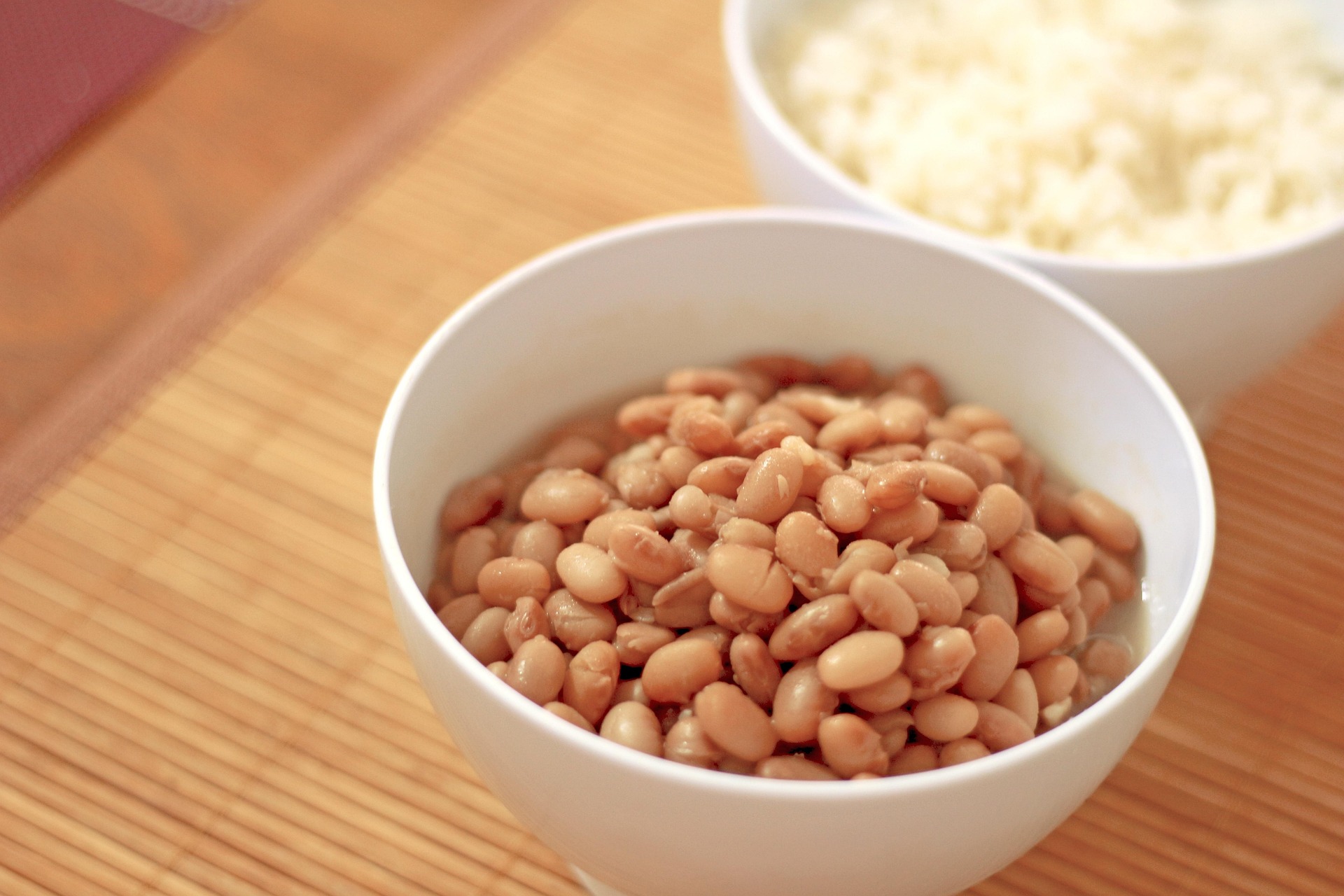
Pinto beans are medium-sized, oval legumes with distinctive brown and reddish speckled patterns on a tan background – “pinto” translates to “painted” in Spanish, referencing their mottled appearance. Originating in Mexico, pinto beans are foundational to Mexican cuisine and increasingly popular in the United States where they are traditional in refried beans dishes. When cooked, pinto beans develop a creamier, slightly denser texture than black beans.
The flavor is more pronounced and earthy, with subtle sweetness.One cup of cooked pinto beans (approximately 171 grams) provides 15 grams of protein and 11 grams of fiber, making them a solid protein and fiber source, though slightly lower in fiber than black beans. Pinto beans contain 80% more calcium than black beans – pinto beans deliver 63 milligrams per 100 grams while black beans provide 35 milligrams per 100 grams. This calcium advantage makes pinto beans particularly valuable for bone health and individuals seeking dietary calcium from plant-based sources.
5 Core Nutritional and Culinary Differences Between Black and Pinto Beans
| Characteristic | Black Beans | Pinto Beans |
| Appearance | Small, glossy black exterior | Medium, tan with brown/red speckles |
| Fiber per Cup | 16.6 grams | 11 grams |
| Calcium per 100g | 35 mg | 63 mg |
| Iron Content | 43% more than pinto | Lower than black |
| Flavor Profile | Earthy, subtle, slightly sweet | Earthy, more pronounced |
| Texture When Cooked | Creamy, slightly fluffy | Very creamy, denser |
| Traditional Cuisine | Latin American, Caribbean | Mexican, Southwestern US |
Nutritional Profiles: The Detailed Comparison of Black and Pinto Beans
Examining black beans vs pinto beans nutritionally reveals distinct strengths. Black beans contain significantly more fiber per serving – 16.6 grams per cooked cup versus pinto beans’ 11 grams. Dietary fiber supports digestive health, promotes satiety, helps regulate blood sugar, and feeds beneficial gut bacteria. For consumers prioritizing digestive health and blood sugar management, black beans vs pinto beans gives advantage to black beans. The extra fiber makes black beans particularly valuable for individuals with diabetes or prediabetes seeking foods that prevent blood sugar spikes.
Black beans also contain 43% more iron than pinto beans, delivering superior iron content per serving. Iron is essential for red blood cell formation and oxygen transport throughout the body. This makes black beans particularly important for individuals following vegetarian or vegan diets requiring plant-based iron sources.
Pinto beans advantage appears in calcium content and mineral diversity. The 80% higher calcium in pinto beans versus black beans becomes significant for individuals seeking plant-based calcium sources or those with limited dairy consumption. Pinto beans also deliver more folate and potassium, supporting cardiovascular health and energy metabolism. Both beans contain similar protein amounts – approximately 15 grams per cooked cup – making them equivalent protein sources. For practical purposes, black beans vs pinto beans presents nutritional trade-offs rather than one clear winner; selection depends on which nutrients matter most to your diet.
Flavor and Texture: How Black and Pinto Beans Cook and Taste Differently
Beyond nutrition, black beans vs pinto beans differ in culinary characteristics. Black beans develop a creamy yet slightly fluffy texture when properly cooked, maintaining some structural integrity even when fully cooked. The subtle, earthy flavor of black beans pairs well with bright, acidic components like lime, tomato, and cilantro, making them ideal for black bean salads, soups, and sides. Black beans’ relatively mild flavor allows other ingredients to shine, making them versatile for cuisines beyond Latin American traditions.Pinto beans become very creamy and somewhat dense when cooked, easily breaking apart when stirred or mashed. The more pronounced, slightly sweet earthy flavor of pinto beans dominates the dishes they appear in.
This characteristic makes pinto beans ideal for refried beans – the traditional Mexican preparation where beans are cooked then mashed into a smooth paste. The creamy texture and stronger flavor make pinto beans less suitable for applications where you want beans to remain visible and distinct (like salads), and more suited to applications where they’re mashed, pureed, or incorporated into heartier dishes.Cooking time differs slightly between the two – black beans typically require 60-90 minutes to reach tender consistency, while pinto beans cook slightly faster at 45-60 minutes depending on bean age and water hardness. For meal planning, this marginal difference rarely matters, but knowing cooking times helps coordinate multi-component meals.
Traditional and Modern Uses: Where Each Bean Excels
Black beans vs pinto beans usage reflects their distinct culinary characteristics and cultural traditions. Black beans dominate in Cuban, Caribbean, and Central American cuisines – black bean soup, black beans served as a side, and black bean salads appear across these traditions. Black beans’ ability to hold their shape and relatively neutral flavor make them suitable for sophisticated presentations and fusion cooking. Modern restaurants featuring “black bean burger” or “black bean taco” benefit from black beans’ discrete textural contribution.Pinto beans are foundational to Mexican and Southwestern American cooking. Refried beans (traditionally made from pinto beans) appear on nearly every Mexican restaurant menu.
The creamy texture and stronger flavor make pinto beans ideal for dishes where the bean itself is a featured component rather than a supporting ingredient. Home cooks preparing traditional Mexican meals almost universally select pinto beans over black beans because the flavor and texture match established recipes and techniques.Practical interchangeability exists – you can substitute black beans vs pinto beans in most recipes without disaster, though results will be slightly different.
Black beans in refried beans would produce a lighter-colored, slightly less rich dish. Pinto beans in Cuban black bean soup would produce denser, different-tasting results. Serious cooks use the traditional bean variety to honor recipes, though casual cooking allows substitution based on pantry availability or nutritional goals. Understanding black beans vs pinto beans applications helps you make informed cooking choices aligned with both traditional techniques and personal nutritional priorities.
Frequently Asked Questions
Are black beans and pinto beans nutritionally equivalent?
Nearly equivalent but with important differences. Both provide excellent protein and fiber, but black beans contain significantly more fiber (16.6g vs 11g per cup) and iron (43% more), while pinto beans contain 80% more calcium. Choose based on which nutrients matter most to your health goals – black beans for digestive and iron support, pinto beans for calcium needs.
Can you substitute black beans for pinto beans in recipes?
Yes, you can substitute one for the other in most recipes with minor texture and flavor differences. Black beans in refried bean recipes will produce lighter color and slightly different texture. Pinto beans in black bean soup will taste earthier and feel denser. For casual cooking, substitution works fine. For recipes where specific bean character matters, use the called-for variety.
Which beans should I buy: black or pinto?
Choose based on your primary nutritional priorities and intended use. Need maximum fiber and iron? Choose black beans. Seeking calcium-rich plant proteins? Choose pinto beans. Planning to make refried beans? Use pinto beans (tradition). Making soups or salads? Black beans work wonderfully. Ideally, keep both on hand since each offers distinct advantages and traditional uses.
Making Your Bean Selection: Nutritional Goals and Culinary Uses
Understanding black beans vs pinto beans empowers informed choices about these pantry staples. Both deliver exceptional nutritional value – high protein, significant fiber, minerals, and phytonutrients – at minimal cost. Black beans excel for consumers prioritizing fiber and iron content, seeking vibrant presentations, or wanting versatile beans that work across diverse cuisines.
Pinto beans shine for those needing calcium from plant sources, preferring creamy textures, or preparing traditional Mexican and Southwestern cuisine. The difference between black beans vs pinto beans isn’t about superiority but about distinct nutritional profiles and culinary characteristics. Wise home cooks maintain both varieties in their pantries, selecting based on the specific recipe, nutritional goal, or cultural tradition the meal celebrates. Whether you choose black beans vs pinto beans, you’re selecting from among the world’s most nutritious, economical, and versatile legumes.

