

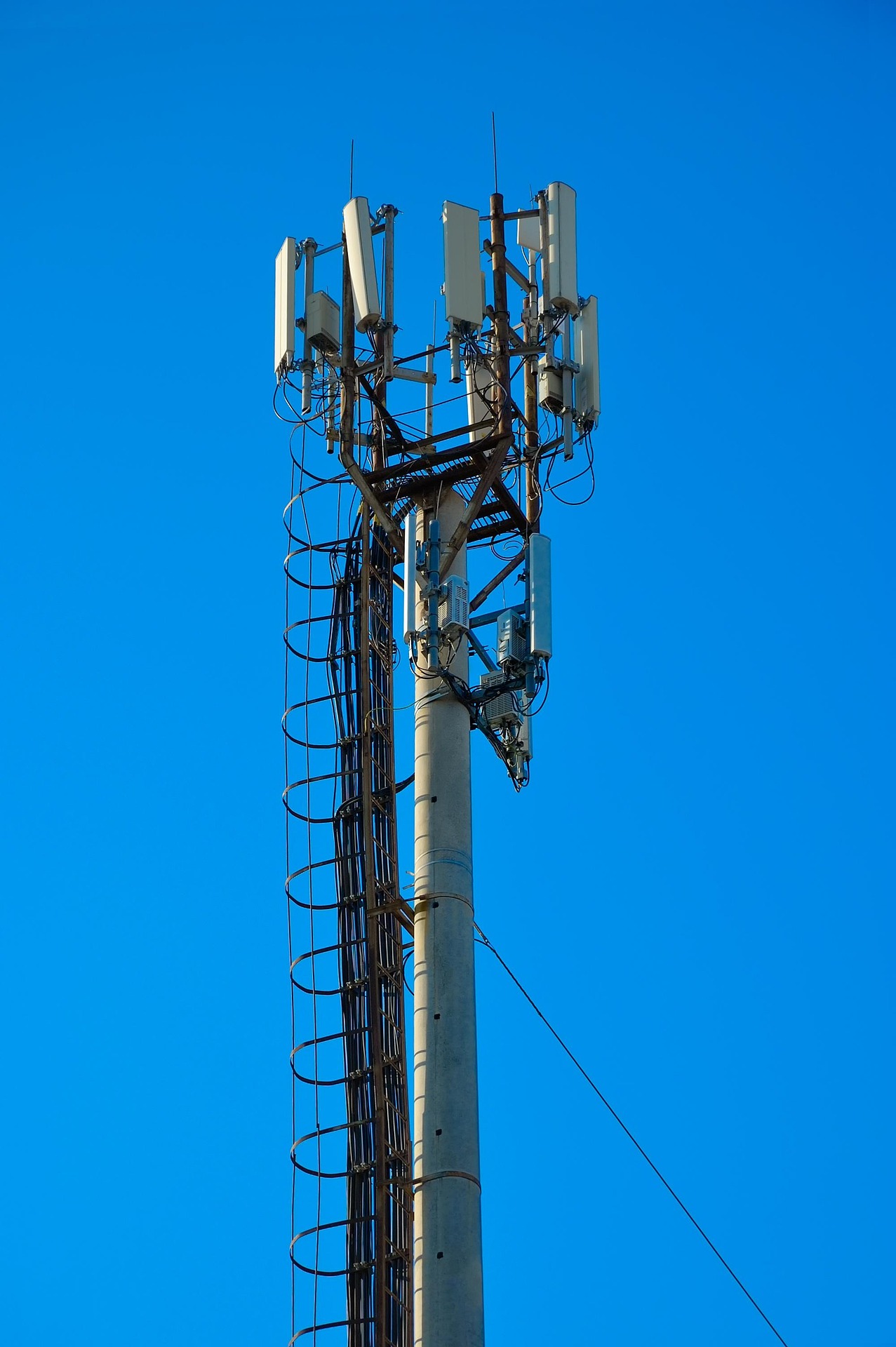
For anyone designing a radio system, understanding VHF and UHF antennas clarifies which technology matches your specific communication needs. Both VHF and UHF antennas transmit and receive radio signals, yet they operate at different frequencies, produce different wavelengths, and excel in distinct applications. Exploring these 5 core differences helps professionals select the antenna technology matching their coverage requirements, equipment budget, and transmission environment.
Table of Contents
What is a VHF Antenna?
VHF stands for Very High Frequency, describing radio waves in the 30-300 MHz frequency band. VHF antennas are engineered to transmit and receive these longer-wavelength signals effectively. VHF antennas operate at lower frequencies compared to UHF, producing waves approximately 1-10 meters in length. This longer wavelength allows VHF signals to travel exceptional distances and diffract around obstacles like hills and terrain more effectively than higher-frequency alternatives.
VHF antennas excel at long-distance communication and work particularly well for maritime, aviation, and land-mobile communications. Common VHF antenna types include dipole antennas, whip antennas for mobile installations, and Yagi directional arrays for focused transmission. IEEE Spectrum covers RF engineering fundamentals. VHF frequencies support commercial FM radio broadcasting, weather radio reception, and professional two-way radio systems. Marine VHF antennas range from 50 centimeters for compact installations to 5-6 meters for maximum gain and range.
What is a UHF Antenna?
UHF stands for Ultra High Frequency, describing radio waves in the 300 MHz to 3 GHz frequency band. UHF antennas are engineered to handle these shorter-wavelength, higher-frequency signals efficiently. UHF antennas operate at higher frequencies than VHF, producing waves roughly 10 centimeters to 1 meter in length. The shorter wavelengths require different antenna designs optimized for efficient radiation at these elevated frequencies.
UHF antennas dominate cellular communications, television broadcasting, WiFi networks, and modern mobile devices. Higher frequencies allow UHF systems to achieve greater data capacity and support more simultaneous users in urban environments. UHF antennas are considerably smaller than VHF equivalents – a UHF mobile antenna might measure only 6-8 centimeters compared to a VHF antenna’s 50 centimeters or larger. Common UHF antenna designs include patch antennas, helical antennas, and microstrip arrays. UHF’s shorter range requires more base stations for complete coverage, but the compact antenna size makes UHF ideal for portable and mobile applications.
5 Core Differences Between VHF and UHF Antennas
| Factor | VHF Antennas | UHF Antennas |
| Frequency Range | 30-300 MHz | 300 MHz – 3 GHz |
| Wavelength | 1-10 meters | 10 cm – 1 meter |
| Physical Size | 50 cm – 6 meters typical | 6-8 cm typical mobile |
| Open-Air Range | 60+ nautical miles (tall antenna) | 1-10 miles typical |
| Building Penetration | Poor – blocked by concrete, steel | Good – penetrates walls effectively |
| Common Applications | Marine, aviation, FM radio, two-way radio | Cellular, WiFi, TV, mobile devices |
| Data Capacity | Lower bandwidth | Higher bandwidth |
| Coverage Pattern | Omni-directional typical | Directional options common |
Frequency Range and Wavelength: Understanding VHF and UHF Antenna Physics
The fundamental distinction between VHF and UHF antennas stems from frequency differences. VHF and UHF antennas operate in completely different electromagnetic spectrum regions. VHF antennas handle 30-300 MHz frequencies, while UHF antennas manage 300 MHz to 3 GHz signals. This 10-fold frequency difference creates dramatic differences in wavelength, antenna construction, and propagation characteristics.
Wavelength directly determines antenna size – radio waves must match antenna dimensions to radiate efficiently. VHF’s 1-10 meter wavelengths require physically large antennas. A quarter-wavelength VHF antenna at 150 MHz measures approximately 47.7 centimeters. UHF’s shorter wavelengths allow compact antennas – a quarter-wavelength UHF antenna at 900 MHz measures only 8.3 centimeters. This size difference explains why cellular phones use tiny UHF antennas while marine radios require substantial VHF antennas. Understanding this VHF and UHF antenna relationship clarifies why certain applications mandate specific antenna technologies.
Propagation and Penetration: Why VHF and UHF Antennas Serve Different Environments
VHF and UHF antennas differ dramatically in range and obstacle penetration – creating a fundamental trade-off. VHF antennas benefit from longer wavelengths that diffract around terrain obstacles effectively. In open-air conditions with proper antenna height, VHF transmission can reach 60+ nautical miles. However, VHF struggles penetrating buildings – concrete and steel walls block longer wavelengths effectively.
UHF signals travel shorter distances in open-air conditions – typically 1-10 miles depending on antenna height and terrain. However, UHF’s shorter wavelengths penetrate building materials far better than VHF. UHF passes through concrete, glass, steel, and walls more effectively because shorter wavelengths find paths through material gaps. This explains why cellular networks dominate urban environments with dense tower placement using UHF – the superior building penetration compensates for shorter range. This VHF and UHF antenna difference explains why maritime radios prefer VHF’s long-distance capability while indoor systems prefer UHF’s penetration.
Practical Applications: When to Use VHF and UHF Antennas
Professional and consumer applications leverage VHF and UHF antennas based on their distinct characteristics. VHF antennas dominate maritime, aviation, and professional two-way radio systems where long-distance communication and rural coverage matter. Sailors rely on VHF marine radios for ship-to-shore communication. Aircraft use VHF for air traffic control communications. Emergency services historically used VHF for wide-area coverage with fewer base stations required.
UHF and VHF antennas serve dramatically different modern applications. Cellular phones, WiFi networks, and television broadcasting exclusively use UHF technology. UHF’s higher frequency allows cellular networks to support billions of simultaneous users by reusing frequencies across many small cells in urban areas. UHF’s superior building penetration enables reliable indoor coverage. Understanding when VHF and UHF antennas are appropriate helps system designers select suitable technology for their specific communication requirements.
Frequently Asked Questions
Can you use a VHF antenna for UHF signals?
Not effectively – VHF and UHF antennas are frequency-specific. A VHF antenna designed for 150 MHz won’t efficiently radiate 900 MHz signals. Using VHF antennas with UHF radios results in severe signal loss and poor communication range. Dual-band antennas exist that handle both VHF and UHF, but they represent a compromise – neither as efficient as frequency-matched antennas.
Which is better: VHF or UHF?
Neither is universally “better” – VHF and UHF antennas excel in different applications. VHF suits long-distance communication over large geographic areas with fewer base stations. UHF provides superior building penetration and supports more simultaneous users. VHF offers exceptional range; UHF enables smaller, more portable devices. Your specific needs determine whether VHF and UHF antennas are appropriate for your application.
Why do cell phones use UHF instead of VHF?
Cellular networks require UHF for multiple reasons: superior building penetration for indoor coverage, higher bandwidth supporting more simultaneous users, and smaller antennas fitting portable devices. VHF’s longer wavelengths would require impractically large phone antennas. Additionally, cellular carriers need spectrum efficiency – UHF’s shorter range allows frequency reuse across many small cells, maximizing capacity. VHF’s long-distance propagation would interfere with distant systems.
Choosing Between VHF and UHF Antenna Technology
Selecting appropriate VHF and UHF antenna technology requires matching your communication requirements to each technology’s strengths. Choose VHF antennas if you need long-distance coverage over large geographic areas, require rural system coverage, or operate maritime or aviation systems. VHF and UHF antennas serve fundamentally different communication purposes – VHF excels at reaching distant locations efficiently.
Choose UHF antennas if you need compact, portable equipment, require high data capacity, operate in dense urban environments, or need numerous simultaneous users. UHF and VHF antenna selection determines your system’s coverage, capacity, and device size. Modern communications overwhelmingly favor UHF due to its building penetration and capacity advantages, but niche applications like maritime and aviation continue relying on VHF. Understanding VHF and UHF antenna characteristics empowers informed technology selection aligned with your communication needs.

