

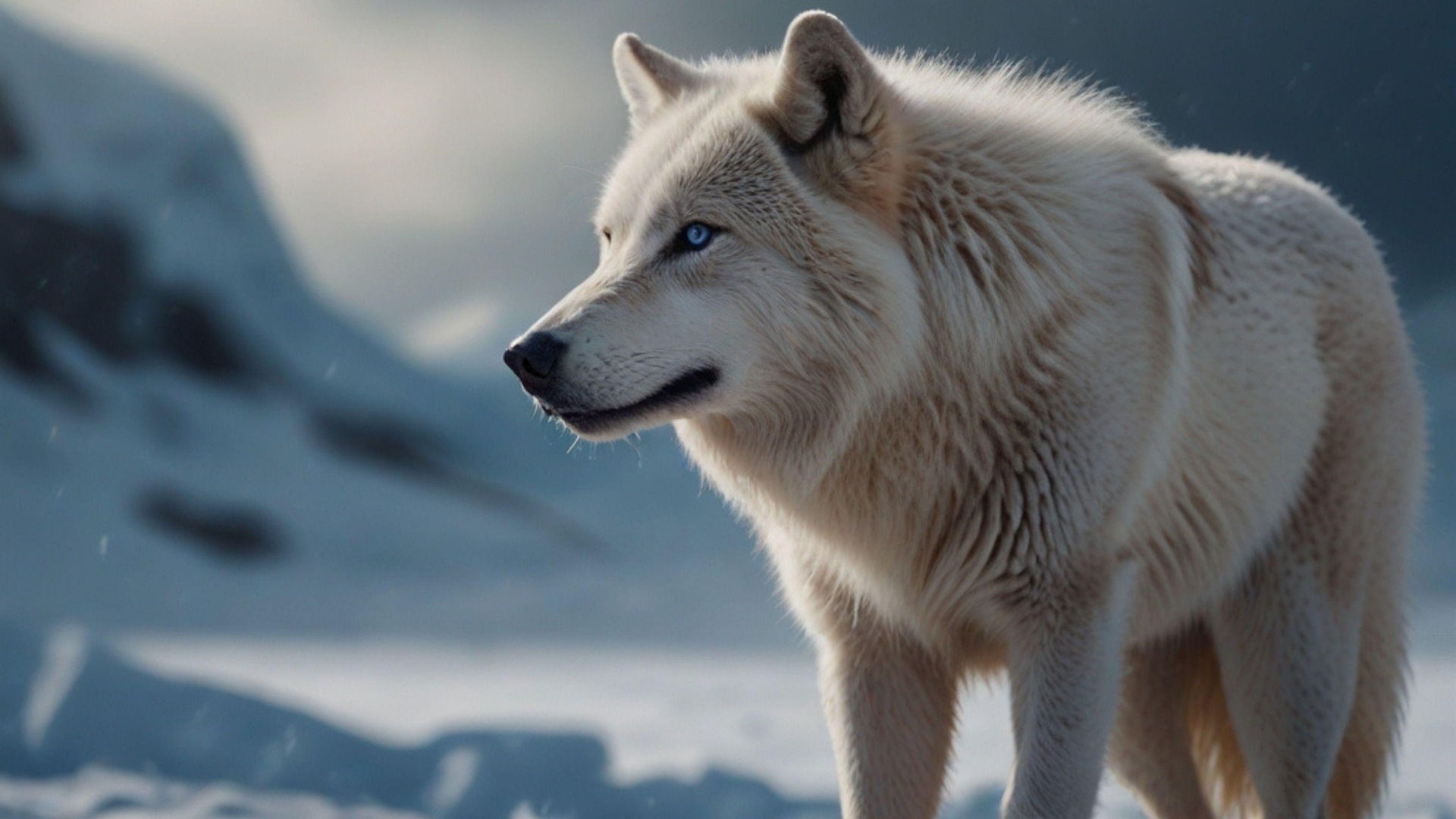
The coyote and wolf difference is crucial for understanding North American canine ecology and behavior, as these two predators occupy different ecological niches and have evolved distinct hunting strategies and social structures. The coyote and wolf difference extends from obvious physical characteristics like size and weight to more subtle behavioral patterns that define how each species interacts with prey and their environments. Learning to distinguish them helps outdoor enthusiasts identify wildlife correctly and appreciate the unique adaptations that have allowed both species to thrive across diverse landscapes.
Table of Contents
Size and Physical Characteristics
The most obvious coyote and wolf difference is size. Adult wolves are substantially larger, typically weighing between 70 and 145 pounds, with some northern subspecies reaching even greater weights. Wolves have a shoulder height of 26 to 33 inches and a muscular, powerful build designed for taking down large prey. Coyotes, by contrast, are much smaller, typically weighing between 20 and 50 pounds, with shoulder heights around 23 inches. A large coyote is similar in weight to a small wolf, but coyotes are generally leaner and more lightly built.
Beyond overall size, the coyote and wolf difference includes facial and paw structure. Wolves have broad, blocky snouts and large paws with claw marks typically visible in tracks. Coyotes have more pointed and narrow snouts with smaller paws, and claw marks are less pronounced in tracks. These differences reflect their different hunting strategies – wolves need the strength to tackle large prey, while coyotes are built for agility and speed.
Social Behavior and Pack Structure
The coyote and wolf difference in social organization is profound. Wolves are highly social animals that live in strict pack hierarchies with an alpha pair (breeding male and female) and their offspring, typically numbering 6 to 10 individuals per pack. The pack structure is rigidly maintained, with subordinate animals showing deference to the alpha pair through behavioral displays. Packs hunt cooperatively, with roles assigned based on the hierarchy. This social structure helps them pursue large prey like elk and deer that require coordinated group effort. BBC Earth have a fascinating article about Wolves facts.
Coyotes are fundamentally more solitary animals, typically hunting alone or in pairs, which represents a key coyote and wolf difference in lifestyle. Coyotes may form loose associations or temporary groups, but they lack the rigid pack hierarchy of wolves. This solitary tendency suits their smaller size and hunting strategy – they target small mammals like rodents, rabbits, and hares that can be caught by individual hunters. Some coyote populations will form larger groups seasonally or in response to resource availability, but this is not their typical social pattern.
Hunting Strategies and Diet
The coyote and wolf difference in hunting is shaped by their size and social structure. Wolves hunt large ungulates – elk, deer, moose – as their primary prey, which requires the coordinated effort of the pack. A single wolf cannot bring down a healthy elk, but a pack of five or more can chase and exhaust prey over long distances before bringing it down. This hunting strategy demands high cooperation and risk (pack members can be injured by prey hooves and antlers).
Coyotes, as solitary or pair hunters, focus on small prey. Rodents including mice, voles, and rats make up a significant portion of their diet, along with rabbits, hares, and occasionally poultry if available. Coyotes are more omnivorous than wolves, supplementing meat with berries, fruits, insects, and plant material. This dietary flexibility has made coyotes more adaptable to changing environments, allowing them to thrive in areas where wolves have been eliminated.
Habitat and Distribution
A critical coyote and wolf difference lies in habitat preferences and adaptability. Wolves prefer remote environments – forests, tundra, grasslands, and mountains far from human settlement. Wolves are generally found in areas with intact wilderness where they can hunt large prey without human interference. They avoid human-dominated landscapes and typically require large territories (often 50 to 200 square miles per pack) to find sufficient prey.
Coyotes have evolved remarkable adaptability to human-modified landscapes. They thrive in deserts, forests, grasslands, and increasingly in suburban and urban areas, where they exploit human resources including unsecured garbage, pet food, and small pets. This coyote and wolf difference in adaptability explains why coyotes have expanded their range dramatically across North America while wolves remain restricted to remote areas. Coyotes can survive on a fraction of the territory required by wolves, and their smaller size and solitary nature make them less dependent on large-scale wilderness.
| Characteristic | Wolf | Coyote |
| Weight | 70-145 pounds (up to 175 in northern regions) | 20-50 pounds |
| Shoulder Height | 26-33 inches | ~23 inches |
| Snout Shape | Broad, blocky, powerful | Pointed, narrow, tapered |
| Paw Size | Large (4.5-5 inches long) | Small (2.5-3.5 inches long) |
| Social Structure | Strict pack hierarchy with alpha pair | Typically solitary or in pairs |
| Pack Size | 6-10 members typical | No fixed packs, loose associations |
| Primary Prey | Large ungulates (elk, deer, moose) | Small mammals (rodents, rabbits, hares) |
| Hunting Method | Cooperative pack hunting | Solitary stalking and pouncing |
| Diet | Primarily carnivorous (large prey) | Omnivorous (meat, fruit, berries, insects) |
| Territory Size | 50-200+ square miles per pack | 2-20 square miles per individual |
| Habitat | Remote wilderness, forests, tundra, grasslands | Deserts, forests, grasslands, suburbs, urban areas |
| Human Proximity | Avoids humans, requires intact wilderness | Highly adaptable to human-modified landscapes |
| Vocalization | Deep howls for pack communication | Yips, barks, and howls; more varied calls |
Vocalizations and Communication
The coyote and wolf difference in communication reflects their different social systems. Wolves use deep, resonant howls primarily to coordinate pack members, assemble the pack before hunts, and defend territory. A wolf’s howl carries for miles across wilderness and functions as a method of long-distance group communication essential for pack cohesion. Wolves howl regularly, especially at dusk and dawn.
Coyotes produce a more varied repertoire of sounds, including yips, barks, whines, and howls. Coyotes are notably more vocal and produce sounds more frequently than wolves. Their howls are typically higher-pitched than wolf howls and often include yipping passages that give the impression of multiple animals. This diverse vocalization helps coyotes maintain contact with mates and warn other coyotes away from resources, serving their solitary or pair-based lifestyle.
Frequently Asked Questions
How do you tell a coyote and wolf apart in person?
Size is the most reliable indicator. Wolves are substantially larger with stockier builds, while coyotes are lean and smaller. Look for broad versus pointed snouts, and notice the coyote and wolf difference in ear proportions – wolves have smaller ears relative to head size, while coyotes have more prominent ears. If you see the animal’s paws, wolf paw prints are about twice the size of coyote prints.
Can coyotes and wolves interbreed?
Yes, coyotes and wolves can interbreed where their ranges overlap, producing hybrids sometimes called “coywolves.” These hybrids are approximately 70 percent coyote with wolf and dog genes mixed in. Coywolves have become increasingly common in eastern North America where coyotes have expanded into former wolf territory.
Are coyotes dangerous to humans?
Coyote attacks on humans are extremely rare. Coyotes are naturally fearful of people and will typically flee if encountered. The coyote and wolf difference in behavior includes coyotes’ much greater wariness of humans. Attacks usually occur when coyotes have been fed by humans and lost their natural fear, or in exceptional circumstances. Securing garbage, pet food, and small pets is the most effective way to prevent coyote-human conflicts.
Conservation and Population Status
The coyote and wolf difference in conservation status reflects their adaptability. Wolves were nearly extinct across much of their range due to persecution and habitat loss, and only exist today in significant numbers in protected areas and remote wilderness. Coyote populations, by contrast, have expanded dramatically, recolonizing areas where they were previously eliminated and now ranging from coast to coast. The coyote and wolf difference in ability to coexist with human activity makes coyotes a success story in conservation, while wolves require active protection and wilderness preservation to survive.

