

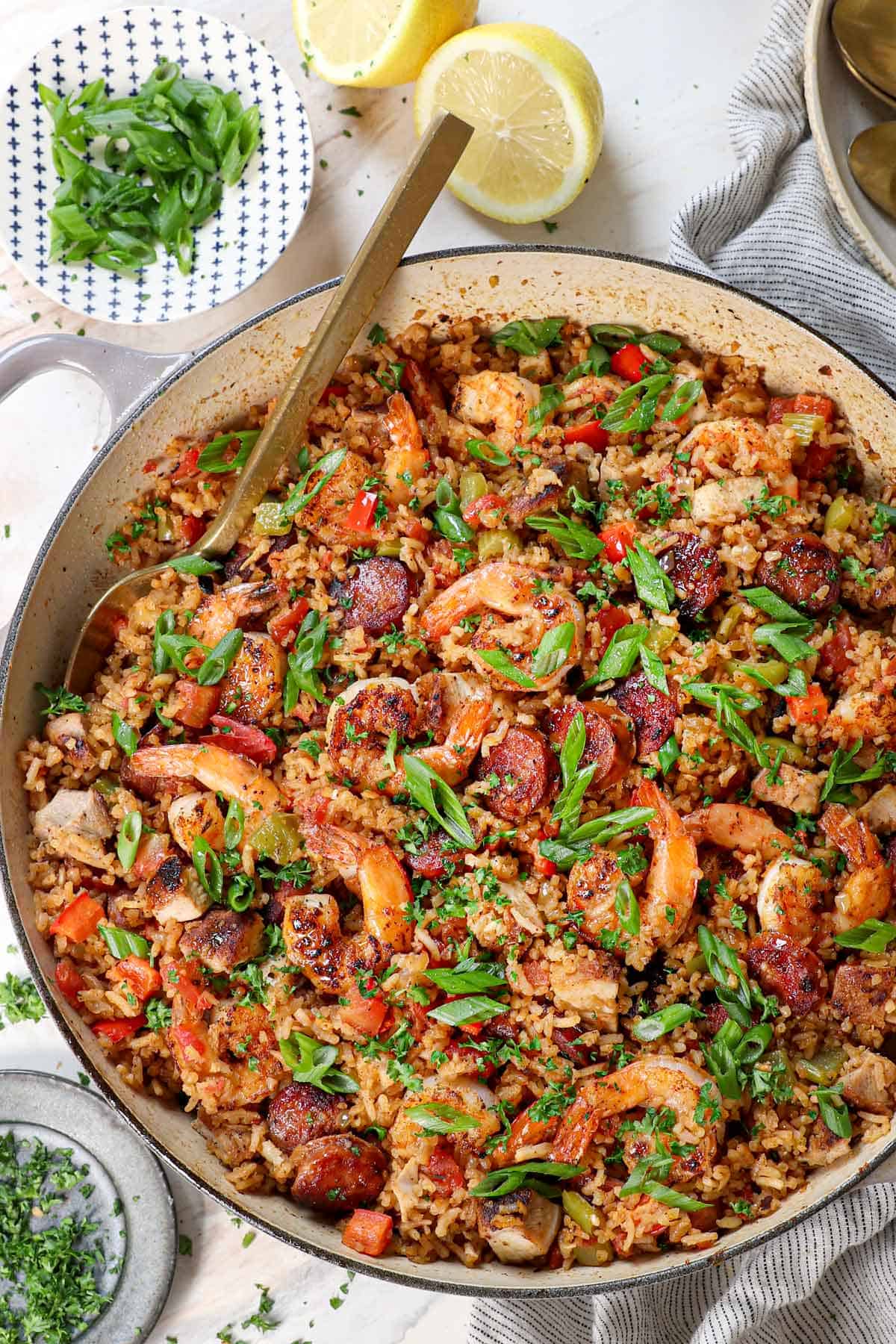
Gumbo versus jambalaya represents one of Louisiana’s most celebrated food debates, with both dishes reflecting the state’s rich Creole and Cajun heritage yet differing fundamentally in preparation and presentation. Gumbo versus jambalaya distinction comes down to rice preparation, roux usage, and consistency, making each dish suited to different occasions and preferences. Understanding gumbo versus jambalaya helps food lovers appreciate the nuances of Louisiana cuisine and choose the perfect dish for any meal.
Table of Contents
What Is Gumbo?
Gumbo is a thick, hearty stew made with a dark roux as its base, thickened with either okra or filé powder (sassafras leaves). Gumbo always starts with a roux – a mixture of flour and fat (butter, lard, or oil) cooked together until deeply browned, creating a nutty, complex flavor. The holy trinity of vegetables – onions, celery, and green bell peppers – is added to this roux base along with broth, seasonings, and protein such as andouille sausage, chicken, seafood, or okra.
Gumbo is served over rice rather than mixed with rice, making it a soupy stew with distinct components on the plate. Gumbo is traditionally a stew served over rice with a roux base, while jambalaya incorporates rice directly into the dish. The consistency is deliberately soupy, with plenty of broth creating a dish more akin to stew than rice pilaf.
What Is Jambalaya?
Jambalaya is a one-pot rice dish where ingredients are cooked together with the rice, creating a unified, thick, sticky consistency. Unlike gumbo, jambalaya does not traditionally use a roux as a thickening agent. Instead, rice absorption of broth creates the proper consistency. Jambalaya also features the holy trinity of vegetables plus protein and seasonings, all cooked together in one vessel with rice and liquid.
Two primary styles of jambalaya exist: Creole jambalaya (red jambalaya) uses tomatoes, creating reddish color, while Cajun jambalaya (brown jambalaya) omits tomatoes, relying instead on caramelized meat and vegetables for brown color. Jambalaya is more flexible and forgiving than gumbo – there are fewer strict rules about what must or must not be included. Both regional styles and family variations are celebrated in Louisiana.
Rice Preparation Differences
The most fundamental gumbo versus jambalaya difference involves rice handling. Gumbo cooks rice separately and serves it as a base under the stew, keeping rice and sauce distinct on the plate. Jambalaya cooks rice directly in the same pot with all other ingredients, absorbing flavors and broth, creating an integrated dish where rice and components are inseparable. This distinction affects texture: gumbo rice remains fluffy and separate, while jambalaya rice is thick, sticky, and fully integrated.
Gumbo requires more liquid to maintain its soupy consistency, while jambalaya uses less liquid because rice absorbs broth as it cooks. This gumbo versus jambalaya difference in liquid content directly impacts the final texture and eating experience, making each suited to different tastes and occasions.
| Feature | Gumbo | Jambalaya |
| Rice Preparation | Cooked separately, served under stew | Cooked with all ingredients in one pot |
| Roux Usage | Essential roux base | No roux (rice thickens) |
| Consistency | Soupy stew with distinct components | Thick, sticky, integrated rice dish |
| Holy Trinity | Yes (onions, celery, peppers) | Yes (onions, celery, peppers) |
| Protein Options | Sausage, chicken, seafood, okra | Sausage, chicken, seafood, or vegetarian |
| Tomato Usage | Varies by recipe | Creole style includes tomatoes; Cajun style omits |
| Serving Style | Stew served over rice on plate | All-in-one dish, no separate rice |
| Preparation Method | Multi-step (roux, vegetables, then rice) | Single pot (all together from start) |
| Cooking Time | 30 minutes to 2 hours depending on meat | 30-45 minutes for rice absorption |
| Recipe Flexibility | More standardized expectations | More regional and family variation |
Flavor and Technique
Gumbo’s flavor foundation comes from the roux, which must be cooked carefully to achieve deep browning without burning. This requires patience and constant stirring, but the reward is complex, nutty flavor that defines the dish. Thickening with okra creates a slippery texture, while filé powder adds earthy notes and a slight thickening action. Gumbo versus jambalaya flavor profiles differ: gumbo emphasizes the roux’s deep flavors, while jambalaya highlights meat caramelization and vegetable integration.
Jambalaya relies on browning meats and vegetables first to build flavor through the Maillard reaction, then adding rice and broth. The simplicity of one-pot cooking appeals to home cooks, though jambalaya requires proper heat management to ensure rice cooks through without scorching the bottom. Both approaches yield delicious results but require different techniques and timing.
Frequently Asked Questions
Can you make gumbo and jambalaya with the same ingredients?
You can use similar ingredients in both dishes, but gumbo versus jambalaya preparation methods mean they cook differently. Using identical ingredients yields different results: gumbo becomes a stew served over rice, while jambalaya becomes an integrated rice dish. The cooking method, not just ingredients, defines each dish.
Which dish is better for serving a large crowd?
Jambalaya is simpler for large crowds since it cooks in one pot and requires less hands-on stirring than gumbo’s roux-making process. However, gumbo’s stew-like nature makes it easily scalable too. The gumbo versus jambalaya choice for crowds depends on your comfort with technique and available equipment.
Are there non-meat versions of these dishes?
Yes, both gumbo and jambalaya can be made vegetarian or vegan by substituting plant-based proteins like beans, mushrooms, or tofu. The gumbo versus jambalaya distinction remains: gumbo would still be served as a stew with separate rice, while jambalaya would still cook rice integrated with vegetables.
Regional Pride and Tradition
Both gumbo and jambalaya hold special places in Louisiana heritage, with families and regions fiercely proud of their own recipes. The gumbo versus jambalaya debate reflects Louisiana’s diverse cultural influences – French, Spanish, African, and American – that have shaped the state’s unique cuisine. Rather than competition, these dishes celebrate different approaches to the same core ingredients and technique. Learning to make both dishes authentically honors Louisiana culinary traditions and provides home cooks with two exceptional meals from the same cultural heritage.

