

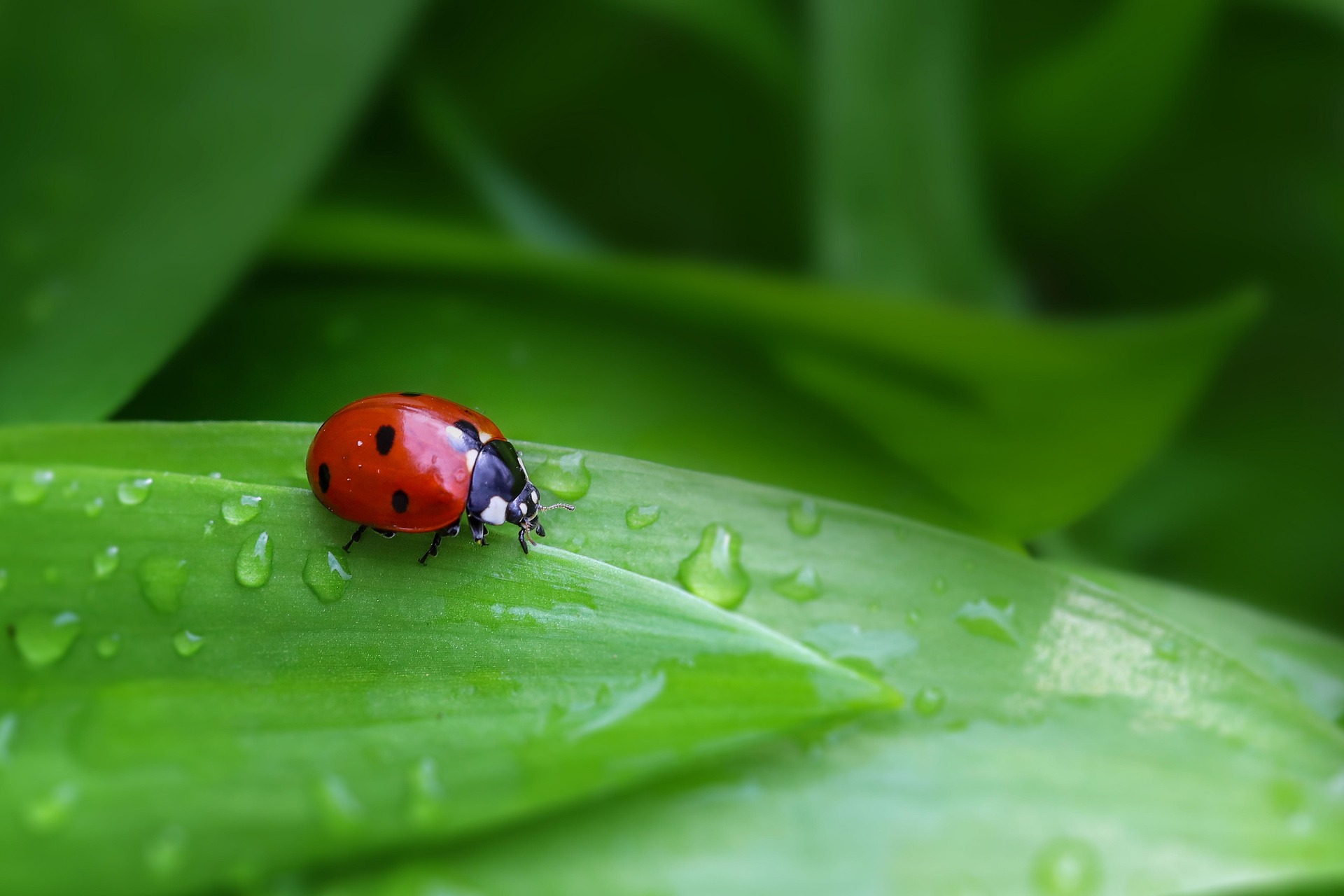
The ladybug vs asian beetle distinction is essential for proper insect identification, pest management, and understanding which beetles help or harm gardens and homes. Ladybug vs asian beetle confusion occurs because both are small, colorful beetles that superficially resemble each other, yet they differ significantly in appearance, behavior, and ecological impact. Learning to distinguish these insects helps gardeners decide whether to welcome or remove beetles from their property and allows for more informed pest control decisions.
Table of Contents
What Is a Ladybug?
Ladybugs, also called ladybird beetles, are beneficial insects native to North America and Europe. Ladybugs are recognized for their hemispherical shape, bright coloring, and beneficial role in controlling garden pests like aphids and scale insects. Native ladybugs are typically bright red or orange with black spots arranged symmetrically across their wing covers. Most North American ladybugs have seven black spots, though this number can vary by species.
Ladybugs are gentle insects that rarely bite and avoid human interaction. They are beloved by gardeners because they consume enormous quantities of destructive aphids, making them natural pest control. A single ladybug can eat hundreds of aphids in its lifetime. These beetles are considered good luck in many cultures and are welcomed in homes and gardens.
What Is an Asian Beetle?
Asian lady beetles, also called harlequin ladybugs or Asian beetles, are aggressive predatory beetles originally from Asia. They were intentionally introduced to North America and Europe as biological pest control but have become invasive species. Asian beetles are larger than native ladybugs and display colors ranging from pale yellow to dark orange, making them visually quite different from native species. Unlike native ladybugs, Asian beetles can bite humans when threatened and congregate in large groups, especially in buildings.
The ladybug vs asian beetle impact on ecosystems differs significantly. While both eat aphids and pests, Asian beetles also consume native ladybug eggs and larvae, harming beneficial insect populations. They stain walls and clothing with their bright yellow liquid discharge. Their invasive nature and predatory behavior toward native species make them pests despite their initial introduction for pest control purposes.
Ladybug vs Asian Beetle – Physical Identification Differences
The most reliable way to distinguish ladybug vs asian beetle is by examining head markings and body shape. Native ladybugs have a mostly black head with small white spots or “cheeks” on either side – a pattern unique to this species. Asian beetles feature a bold black “M” or “W” shape on a white background on their heads, making them instantly recognizable once you know what to look for.
Body shape also differs between these insects. Ladybugs have a rounded, dome-shaped body that appears smooth and compact. Asian beetles appear more oval and slightly flattened, allowing them to slip through small crevices in buildings where they overwinter in groups. Spot patterns also vary: native ladybugs display seven evenly-spaced black spots, while Asian beetles display zero to nineteen irregular or scattered spots.
| Feature | Native Ladybug | Asian Beetle |
| Head Pattern | Black with white “cheeks” | White with black “M” or “W” |
| Body Shape | Rounded, dome-like, smooth | Oval, flattened, angular |
| Color Range | Bright red or orange | Pale yellow to dark orange |
| Spot Count | Typically 7 spots (varies) | 0 to 19 irregular spots |
| Size | Smaller (8-10 mm) | Larger than native species |
| Behavior | Solitary, gentle, avoids humans | Aggressive, bites when threatened |
| Grouping | Individual foragers | Congregates in large groups |
| Seasonal Behavior | Outdoor overwinter | Invades buildings to overwinter |
| Ecological Impact | Beneficial predator | Invasive, preys on native beetles |
Ladybug vs Asian Beetle – Behavioral Differences
The ladybug vs asian beetle behavioral difference is substantial and reveals the contrasting nature of these insects. Native ladybugs are solitary hunters that forage individually or in pairs throughout gardens. They remain outdoors year-round, overwintering in leaf litter, bark, and soil. They rarely interact with humans and do not bite unless physically threatened.
Asian beetles exhibit aggressive tendencies and congregate in enormous groups, sometimes numbering in the thousands. In autumn, they invade buildings seeking warm places to overwinter, creating nuisances in homes and offices. They bite when provoked and release a foul-smelling yellow liquid that stains surfaces. This predatory, invasive behavior makes Asian beetles serious agricultural and household pests despite their original introduction as pest control.
Frequently Asked Questions
Should I remove all beetles I find in my house?
If the beetles have head markings (M or W shape), they are Asian beetles and should be removed. Native ladybugs rarely enter homes, so beetles invading your house are likely Asian species. Gentle removal and release outdoors is humane. For large infestations of Asian beetles, professional pest control may be necessary.
Do ladybugs bite?
Native ladybugs rarely bite humans. They are gentle, docile insects that avoid confrontation. However, Asian beetles bite readily when threatened or crushed. If a beetle bites you, the impact is minor – similar to a mosquito bite – but Asian beetles are more prone to biting than native ladybugs.
Can I encourage native ladybugs in my garden?
Yes! Plant native flowers that attract beneficial insects, provide water sources, and avoid broad-spectrum pesticides that harm all insects including native ladybugs. However, keeping Asian beetles out protects native species. The ladybug vs asian beetle battle in gardens is won when native beetles thrive and invasive species are minimized.
Ecosystem Implications
The ladybug vs asian beetle dynamic illustrates how introducing non-native species can have unintended consequences. While Asian beetles were brought to North America to control pests, they have become invasive, outcompete native beneficial insects, and cause problems in buildings. Supporting native ladybug populations strengthens local ecosystems. Recognizing the difference helps gardeners and homeowners make informed decisions that protect native species and maintain ecological balance.

