

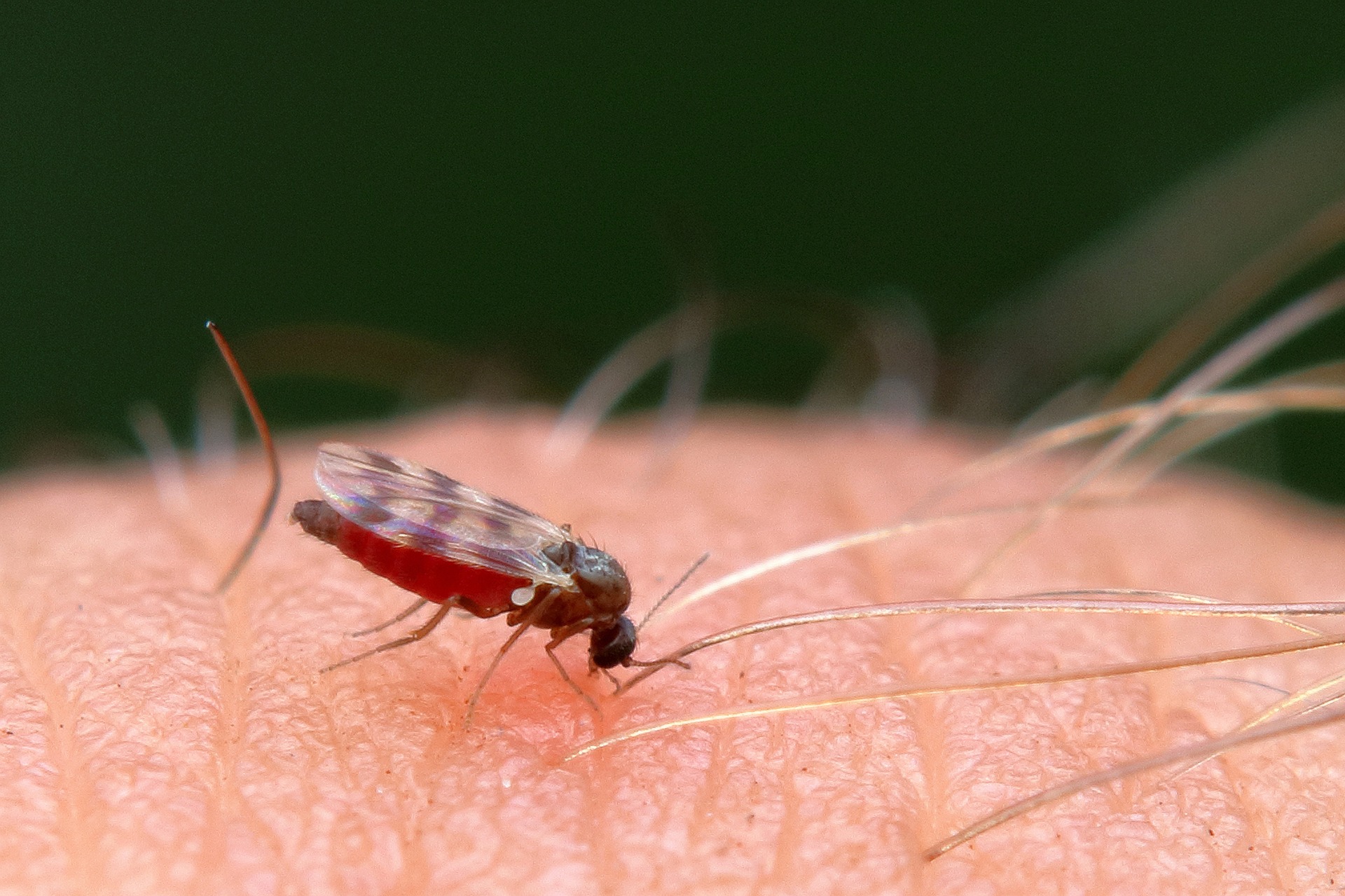
Identifying whether gnats or fleas are invading your home ranks among the most common pest problems, yet gnats and fleas represent entirely different insects requiring different treatment approaches. The confusion between gnats or fleas stems from their similar tiny size and the bites they produce, but understanding what you’re dealing with is crucial for effective pest control. Learning to distinguish gnats and fleas prevents wasted efforts treating the wrong pest and accelerates getting your home back under control.
Table of Contents
What Are Gnats?
Gnats are tiny flying insects belonging to several families including Sciaridae (fungus gnats) and Ceratopogonidae (biting midges), measuring approximately 1 to 15 millimeters in length. These delicate insects possess two distinct wings and elongated bodies with long, thin legs that give them a characteristic spindly appearance. Gnats are drawn to moisture, organic debris, and decaying plant matter, thriving in damp environments like houseplant soil, kitchen drains, and areas with standing water.
Some gnat species bite while others do not, and gnats are attracted to human environments for moisture and food sources rather than blood meals. In the gnats or fleas comparison, gnats represent a flying nuisance pest rather than a parasite. Most indoor gnats congregate near their breeding sites in damp soil or organic matter, making them more of a persistent household annoyance than a serious health threat.
What Are Fleas?
Fleas are wingless parasitic insects measuring 1.5 to 3.5 millimeters long with laterally flattened bodies covered in sclerites that help them navigate through hair and fur. These specialized parasites feed exclusively on blood from mammals and birds, making them obligate blood-feeders dependent on hosts for survival. According to the CDC’s overview of fleas and flea-borne disease, fleas possess powerful hind legs that enable their characteristic jumping behavior, propelling them up to 200 times their body length in a single leap.
Unlike gnats or fleas which occupy different ecological niches, fleas are strictly parasitic and cannot survive without a host animal. Fleas prefer warm, humid environments close to their hosts – typically pet bedding, carpets, and furniture where animals rest. The gnats or fleas decision matters significantly because flea infestations require treating the host animal and contaminated household surfaces, not elimination of moisture sources.
Key Differences: The comparison
The most obvious difference is distinction is movement. Gnats fly using two wings, creating the characteristic buzzing or drifting movement around plants, drains, and moisture sources. Fleas cannot fly and instead move by jumping explosively, covering impressive distances through their powerful leg muscles. Watching for flying versus jumping behavior provides an immediate way to distinguish gnats or fleas.
| Characteristic | Gnats | Fleas |
| Movement | Flying (using two wings) | Jumping (using hind legs) |
| Wings | Two visible wings | No wings (wingless) |
| Size | 1-15 mm long | 1.5-3.5 mm long |
| Body Structure | Delicate, long-legged appearance | Flattened sideways, sclerite-covered |
| Feeding Behavior | Some species bite; attracted to moisture | All species feed on blood (parasites) |
| Habitat Preference | Near standing water, soil, decaying matter | On host animals, in carpets and bedding |
| Color | Typically dark brown or gray | Reddish-brown to black when fed |
| Host Dependency | Not parasitic; don’t require hosts | Obligate parasites; require blood meals |
| Bite Pattern | Random areas; some species don’t bite | Clustered bites on legs and lower body |
Identifying Gnats or Fleas in Your Home
When determining gnats or fleas, start by observing insect behavior. Are you seeing tiny insects buzzing around your kitchen drain or hovering near houseplants? Those are likely gnats. Are you finding insects on your pet that jump away quickly, or discovering clusters of small red bites on your legs and lower body? Those signs point to fleas. The gnats or fleas identification process relies heavily on observing where and how the insects move.
Examine the insects more closely using a magnifying glass if possible. Gnats have visible wings and move through air; fleas have no wings and move horizontally along surfaces or jump vertically. Check your pet’s bedding and pet fur for flea dirt (small black specks), a diagnostic sign absent in gnat infestations. Look for gnat breeding sites like moist soil in potted plants or organic debris in standing water – these environments indicate gnats or fleas identification tips showing which pest you’re battling.
Health and Bite Differences
Gnat bites, when they occur, produce itching and mild skin irritation but rarely cause serious health consequences for humans. Some gnat species don’t bite at all, making the gnats or fleas distinction important for health assessment. Flea bites, by contrast, typically appear as small red welts in clusters, usually on ankles and lower legs, and can transmit diseases like plague and typhus in rare cases. Fleas are known vectors of several human pathogens, making flea control a health priority.
For pets, the health implications of gnats or fleas differ dramatically. Fleas cause severe itching, skin infections from excessive scratching, anemia from blood loss in severe infestations, and can transmit tapeworms and other parasites. Gnats rarely affect pets directly, though pet owners might still want to eliminate gnats for household comfort. The gnats or fleas decision regarding pet health clearly favors aggressive flea treatment if fleas are present.
Treatment Approaches: Gnats or Fleas Control
Gnat control focuses on eliminating moisture sources and organic breeding material. Remove standing water, allow potted plant soil to dry between waterings, clean kitchen drains thoroughly, and fix plumbing leaks. In the gnats or fleas treatment decision, gnat elimination requires environmental modification rather than pesticide application. Replacing potting soil, using drain treatments, and maintaining dry conditions typically resolve gnat infestations within weeks.
Flea control requires treating both the host animal and the home environment. Pet treatments include topical flea preventatives, oral medications, and flea shampoos prescribed by veterinarians. Household treatment involves vacuuming carpets, washing pet bedding in hot water, and treating furniture and floors with flea-killing products. The gnats or fleas control strategy differs fundamentally – gnats need moisture elimination while fleas require dual-action pet and home treatment using veterinary-approved products.
Prevention Strategies
Preventing future gnats or fleas infestations requires different approaches. Gnat prevention means maintaining dry conditions, promptly cleaning spills and water leaks, and avoiding overwatering houseplants. Store garbage in sealed containers and promptly remove organic waste. These gnats or fleas prevention steps for gnats focus on controlling the moisture and organic material they need to thrive.
Preventing fleas requires year-round pet preventative treatments as recommended by your veterinarian, even if your pet stays indoors. Regularly vacuum areas where pets spend time, wash pet bedding weekly, and inspect pets regularly for signs of flea infestation. The gnats or fleas prevention strategy for fleas emphasizes consistency and veterinary guidance to maintain protection throughout the year.
Frequently Asked Questions
Can gnats or fleas survive in a clean home?
Fleas can survive in clean homes by living on pets and in carpeting regardless of overall cleanliness. Gnats require moisture and organic material, making very clean, dry homes less hospitable. The gnats or fleas survival difference emphasizes that flea prevention requires ongoing pet treatment while gnat prevention is largely environmental.
Do gnats or fleas prefer certain types of flooring?
Fleas thrive in carpeted areas but can infest any flooring where pets rest and shed fur. Gnats are less floor-dependent, preferring moisture-rich areas like potted plants and drains. In the gnats or fleas environment discussion, gnats need moisture while fleas need hosts, making habitat preferences quite different.
Can I use the same treatment for gnats or fleas?
No – using the same treatment for gnats or fleas would be ineffective. Gnat-elimination products target breeding sites and moisture, while flea treatments target parasitic insects on animals. Using flea treatment for gnats wastes money and exposes yourself to unnecessary chemicals, and gnat treatments won’t eliminate fleas at all.
Moving Forward: Gnats or Fleas Control Success
Accurately distinguishing between gnats or fleas is the critical first step toward solving your pest problem effectively. Taking time to identify which pest you’re dealing with prevents wasted treatment efforts and gets you to solutions faster. Whether your gnats or fleas problem requires environmental controls, pet treatments, or comprehensive home remediation, the right diagnosis determines the right solution path.
Remember that gnats or fleas each have distinct vulnerabilities – gnats need moisture to survive while fleas need blood meals from hosts. Targeting these fundamental biological needs with appropriate treatment strategies ensures success. If you’re unable to definitively identify your gnats or fleas infestation, contact a professional pest control service who can confirm the pest type and recommend appropriate treatment.

