

Choosing between daylight versus soft white bulbs can dramatically transform your home’s atmosphere, energy consumption, and even your mood and productivity. Daylight versus soft white represent fundamentally different color temperatures on the Kelvin scale, with implications for everything from how colors appear in your space to how alert or relaxed you feel. This guide explores the measurable differences, practical applications, and how to select the right bulb type for each room in your home, ensuring optimal lighting that enhances both comfort and function.
Table of Contents
What Is Soft White Lighting?
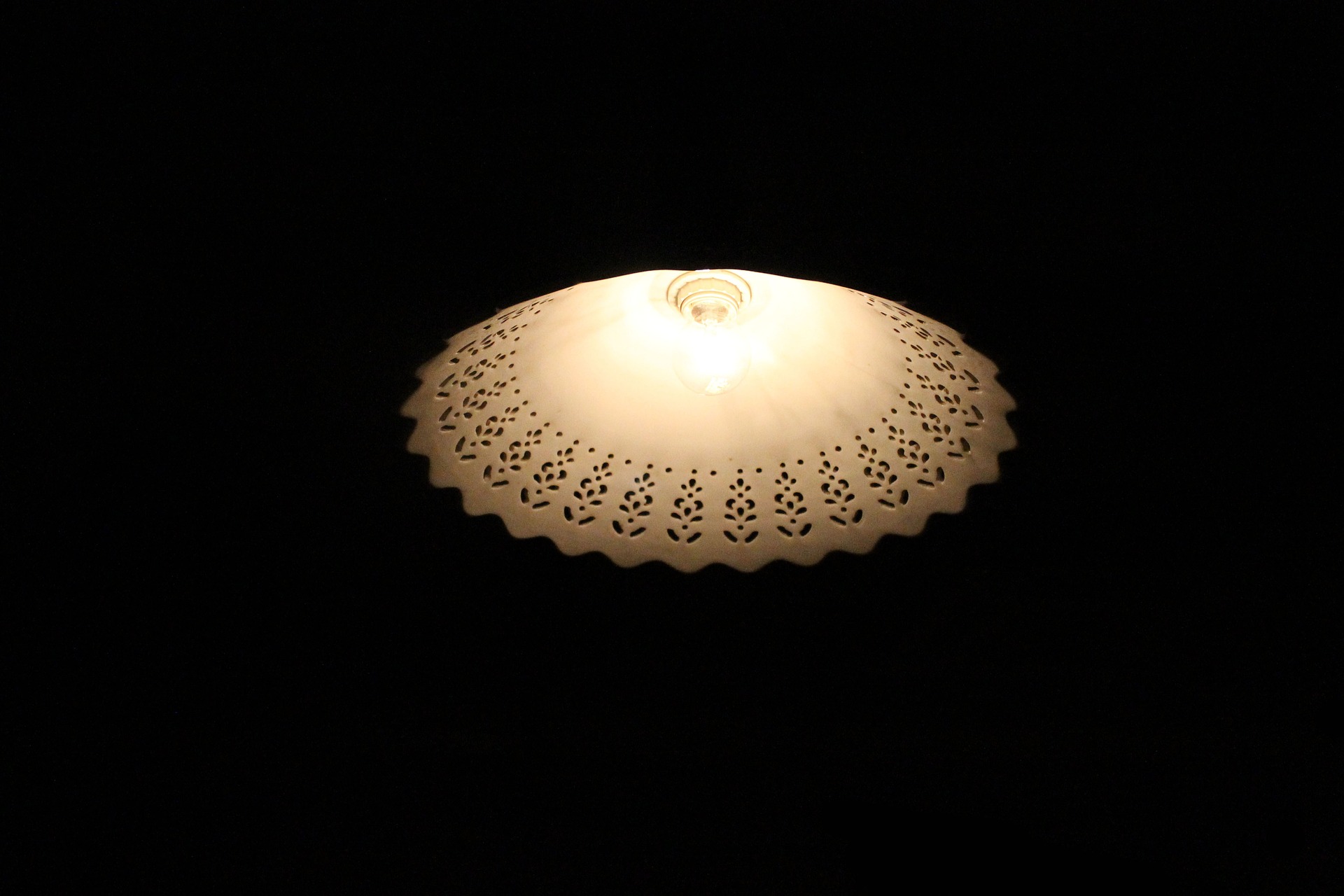
Soft white light bulbs emit a warm, yellowish glow that falls between 2,700 and 3,000 Kelvin on the color temperature scale. This warm tone mimics the quality of incandescent bulbs, the standard household lighting for over a century, which is why many people instinctively associate it with comfort and familiarity. The amber and orange hues in soft white light create a relaxing, intimate atmosphere ideal for spaces where you want to unwind. Living rooms, bedrooms, dining areas, and bathrooms traditionally benefit from soft white bulbs because they create an inviting environment conducive to relaxation and social connection.
Soft white bulbs are also sometimes called “warm white” or “yellow light,” though technically soft white describes the specific Kelvin range. The warmth of soft white light has a subtle psychological effect, triggering the release of melatonin in the body—the hormone that promotes sleep. This makes soft white particularly appropriate for evening and nighttime use, as it aligns with your body’s natural circadian rhythm and prepares your physiology for rest without the alertness-promoting effects of cooler light.
The technical difference between daylight versus soft white centers on color temperature measured in Kelvin, a unit that quantifies how “warm” or “cool” light appears. Soft white at 2,700-3,000K emits predominantly red and orange wavelengths, creating that signature warm glow. Daylight at 5,000-6,500K shifts toward blue wavelengths, producing the cool, crisp quality of midday sun. This 2,000+ Kelvin gap isn’t merely academic—it profoundly affects how your eye perceives colors, brightness, and spatial dimensions. Scientific American explains how light wavelengths determine color and temperature, helping you understand daylight versus soft white at the physics level.
What Is Daylight Lighting?
Daylight bulbs produce a cooler, bluish-white light typically ranging from 5,000 to 6,500 Kelvin, closely mimicking natural sunlight at midday. This color temperature represents the illumination you experience outdoors on a clear sunny afternoon, making it feel energizing and natural. Daylight bulbs make colors appear more vivid and true to how they appear in natural conditions, which is why they’re preferred in spaces where color accuracy matters—kitchens, bathrooms, workspaces, and retail environments. The crisp quality of daylight light enhances visual clarity and alertness, making it ideal for tasks requiring focus and precision.
The cooler tones in daylight light suppress melatonin production, keeping you more alert and awake. This is scientifically aligned with the body’s natural circadian rhythm during daytime hours. Daylight bulbs feel invigorating rather than restful, which is why they excel in home offices, garages, craft rooms, and any space dedicated to work or detailed tasks. The approximately 2,000 to 3,500 Kelvin difference between daylight versus soft white results in strikingly different visual and physiological experiences.
Color Temperature Differences: Daylight versus Soft White
The technical difference between daylight versus soft white centers on color temperature measured in Kelvin, a unit that quantifies how “warm” or “cool” light appears. Soft white at 2,700-3,000K emits predominantly red and orange wavelengths, creating that signature warm glow. Daylight at 5,000-6,500K shifts toward blue wavelengths, producing the cool, crisp quality of midday sun. This 2,000+ Kelvin gap isn’t merely academic—it profoundly affects how your eye perceives colors, brightness, and spatial dimensions. Understanding daylight versus soft white helps you make informed choices about which light type serves your specific space and activities best.
Beyond aesthetics, this Kelvin difference has documented effects on human physiology. Research published in lighting science shows that blue-enriched light (daylight) activates melanopsin-containing cells in your retina, which directly signal your brain’s circadian clock. Warm light (soft white) has the opposite effect, signaling your body that evening is approaching. This is why exposure to daylight versus soft white at different times of day can either support or disrupt your natural sleep-wake cycle. For optimal health, morning and afternoon exposure to daylight-type bulbs, with a transition to soft white in evening hours, aligns best with human biology.
Comparing Daylight versus Soft White: Room-by-Room Applications
| Room Type | Recommended Color | Kelvin Range | Reason |
| Bedroom | Soft White | 2,700-3,000K | Promotes relaxation and sleep; supports melatonin production |
| Living Room | Soft White | 2,700-3,000K | Creates warm, inviting atmosphere for family gatherings |
| Kitchen | Daylight | 5,000-6,500K | Provides task lighting for food prep; shows true food colors |
| Home Office | Daylight | 5,000-6,500K | Enhances focus, alertness, and reduces eye strain for computer work |
| Bathroom | Soft White or Daylight | 3,000-5,000K | Depends on preference; softer for ambiance, brighter for grooming |
| Bathroom (Vanity) | Daylight | 5,000-6,500K | Accurate color for makeup application and grooming tasks |
| Dining Room | Soft White | 2,700-3,000K | Flatters skin tones; creates intimate dining environment |
| Garage / Workshop | Daylight | 5,000-6,500K | Maximum visibility for safety and precision work |
| Laundry Room | Daylight | 5,000-6,500K | Shows true fabric colors and detects stains |
| Reading Nook | Soft White | 2,700-3,000K | Reduces eye strain; creates cozy reading atmosphere |
Health and Circadian Rhythm Effects of Daylight versus Soft White
The choice between daylight versus soft white has measurable health implications beyond simple aesthetics. Your circadian rhythm—the 24-hour biological cycle regulating sleep, hormones, and metabolism—responds directly to light wavelengths. Exposure to daylight-spectrum light during morning and afternoon hours reinforces your natural wake-sleep cycle by suppressing melatonin and promoting cortisol, the hormone associated with alertness. Conversely, soft white light in evening hours signals your body that night is approaching, facilitating natural melatonin production and preparing you for sleep.
Sleep quality suffers when people use harsh daylight bulbs in bedrooms or exposure to blue light from screens close to bedtime. Studies on lighting and sleep show that daylight-spectrum light before bed can delay sleep onset by 30 minutes to an hour. For optimal health, consider implementing a lighting strategy: daylight bulbs in work and task areas during morning and afternoon, transitioning to soft white in living spaces by early evening, and dimmed soft white in bedrooms before sleep. This approach supports your body’s natural rhythms and can improve sleep quality, daytime alertness, and overall well-being significantly.
Frequently Asked Questions
Can I use daylight versus soft white bulbs interchangeably in the same fixture?
Yes, physically you can mix and match daylight versus soft white bulbs in fixtures, as both typically use standard sockets (E26 for standard US bulbs). However, this creates an uneven, visually jarring lighting environment where part of the room feels warm and part feels cool. Most designers recommend keeping color temperature consistent within a room for visual harmony. If you need flexibility, consider multi-temperature LED bulbs that allow you to adjust color temperature via remote or smartphone app.
Is daylight versus soft white better for energy efficiency?
Modern LED bulbs achieve similar energy efficiency regardless of whether they produce daylight or soft white light, as efficiency depends on LED technology, not color temperature. Both LED variants consume roughly 75-80% less energy than incandescent bulbs. However, soft white LEDs are often slightly cheaper to manufacture and purchase, while daylight LEDs sometimes command a modest premium. Choose based on your lighting needs rather than efficiency concerns, as both types deliver comparable energy savings over traditional incandescent bulbs.
What’s the difference between daylight versus soft white bulbs and “bright white” bulbs?
The spectrum includes three main categories: soft white (2,700-3,000K), bright white or neutral white (3,500-4,100K), and daylight (5,000-6,500K). Bright white occupies the middle ground, offering a balance between the warmth of soft white and the crispness of daylight. It works well in kitchens, bathrooms, and offices where you want good color accuracy without the coldness of full daylight. Understanding daylight versus soft white, with bright white as the middle option, gives you three distinct choices rather than just two extremes.
Selecting the Right Bulbs: Daylight versus Soft White Decisions
Making the right choice between daylight versus soft white depends on your room’s function, aesthetic preferences, and how the space affects your daily routines. Start by identifying task areas—kitchens, offices, bathrooms with vanities—where daylight’s superior color accuracy serves practical purposes. Then prioritize relaxation spaces—bedrooms, living rooms, dining areas—with soft white for ambiance and sleep support. Many homes benefit from a hybrid approach: daylight in work zones and task lighting, soft white in living and sleeping areas. Remember that modern LED bulbs often offer dimmability; a dimmed daylight bulb can sometimes approximate soft white’s feel, providing flexibility as your needs evolve.
Your personal lighting preferences matter too. Some people find daylight invigorating even in evening hours, while others find soft white too dim for certain tasks. Experiment if possible before committing to a full retrofit. Many retailers now allow in-store demonstrations of different Kelvin temperatures side by side, helping you visualize daylight versus soft white before purchasing. Once you’ve implemented your lighting strategy, monitor your sleep quality, eye comfort, and mood over several weeks. Fine-tuning the balance between daylight versus soft white in different areas can yield surprising improvements in energy, sleep, and overall home comfort.

