

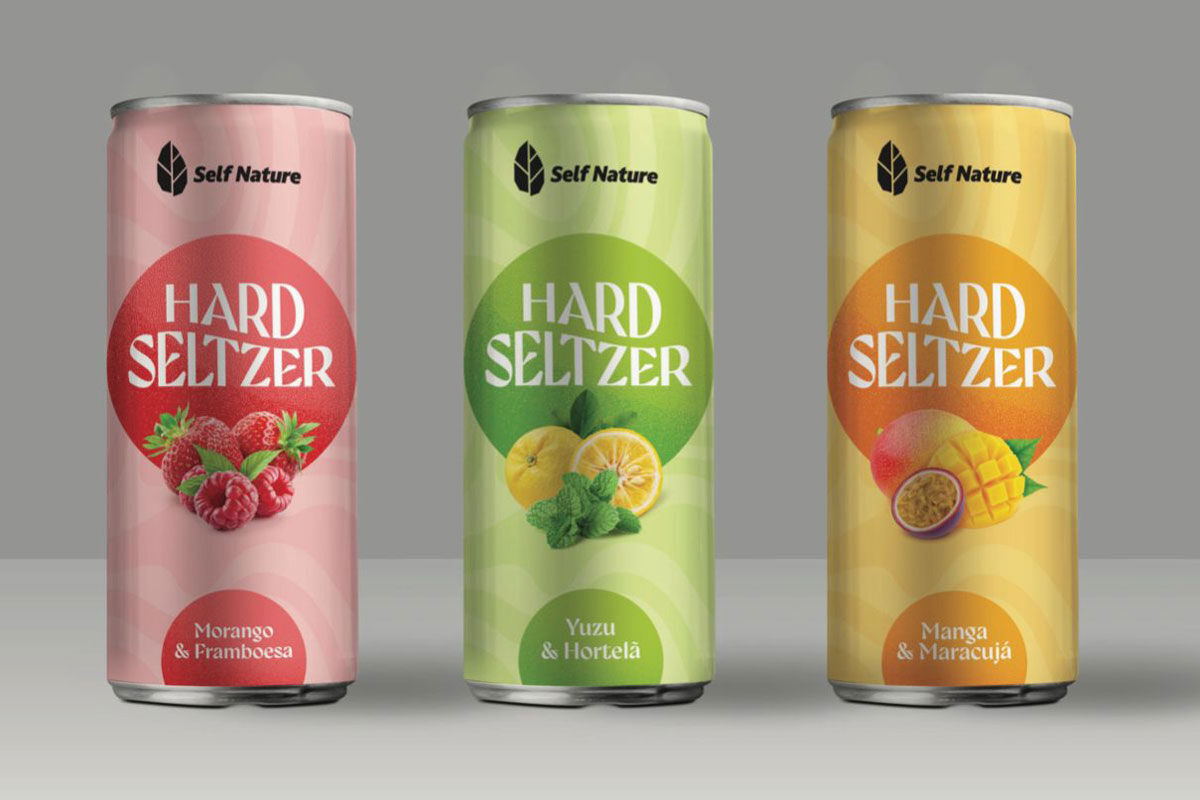
Club soda and seltzer look identical in the glass, fizz the same way, and sit next to each other on grocery shelves, yet they are not the same drink. The gap comes down to a pinch of minerals. Seltzer is plain water charged with carbon dioxide, while club soda adds small amounts of mineral salts such as sodium bicarbonate and potassium sulfate. That tiny change shifts the flavor, the sodium count, and even how a cocktail tastes. If you have ever wondered whether club soda and seltzer can stand in for each other, the answer is usually yes, with a few trade-offs worth knowing.
This guide covers what club soda and seltzer are, how they differ in taste and chemistry, where each one shines, and what the research actually says about drinking bubbly water every day.
Table of Contents
What is club soda?
Club soda is carbonated water with added mineral salts. The exact recipe varies by brand, which is why two bottles labeled club soda can taste slightly different. Schweppes lists carbonated water, sodium bicarbonate, sodium chloride (salt), and potassium sulfate. Canada Dry uses carbonated water, sodium bicarbonate, sodium citrate, potassium sulfate, and disodium phosphate.
Those additives are there on purpose. Mineral salts give club soda a faintly salty, slightly rounded flavor and buffer some of the acidity that carbonation creates. The idea traces back to the 18th century, when makers tried to copy the naturally mineral-rich spring waters that Europeans prized for their taste and supposed health benefits. Jacob Schweppe was already selling artificial mineral waters to friends in Geneva by 1794, and he later took the business to London.
Because of the added minerals, regular club soda contains sodium. USDA data puts a typical 12-ounce serving at roughly 75 milligrams, and individual brands vary from there. Both Canada Dry and Schweppes also sell sodium-free versions that swap the sodium salts for potassium-based ones, which is handy for anyone keeping an eye on salt intake.
What is seltzer?
Seltzer is the simplest carbonated drink there is: water plus carbon dioxide, nothing else. The gas dissolves under pressure and partly turns into carbonic acid, which gives seltzer its clean, sharp bite. Unflavored seltzer has no calories, no sugar, and no sodium beyond whatever trace amounts are already in the source water.
The name comes from Selters, a German municipality whose Niederselters springs produce naturally carbonated mineral water. By the late 1700s, that water was shipped abroad in jugs stamped with the Selters name, and English speakers eventually bent the word into seltzer. It became a staple in New York and Philadelphia during the 19th century, and it is still the fizz behind the classic New York egg cream.
Artificial carbonation arrived around the same era. English chemist Joseph Priestley demonstrated a small carbonating apparatus in 1772, laying the groundwork for bottled sparkling water. Worries that the bubbles leach calcium from bones still circulate today, but Scientific American’s look at whether carbonated water is bad for you found that the link to lower bone density involves cola, not carbonation itself.
One naming note: hard seltzer is a different product entirely. It borrows the word but contains alcohol, and most brands add flavoring and sweeteners.
How club soda and seltzer differ in the glass
So what is the difference between club soda and seltzer once you pour them? It comes down to three things: ingredients, taste, and acidity. The table below lays out the main contrasts at a glance.
| Feature | Club soda | Seltzer |
| Main ingredients | Carbonated water plus mineral salts | Carbonated water only |
| Common additives | Sodium bicarbonate, salt, potassium sulfate, sodium citrate, disodium phosphate | None |
| Sodium | Present in regular versions, about 75 mg per 12 oz (varies by brand) | None in plain versions |
| Calories | 0 | 0 |
| Taste | Slightly salty, softer, rounder | Clean, neutral, crisp |
| Typical pH | About 5 | Roughly 3 to 4 |
| Sodium-free option | Yes, from major brands | Naturally sodium-free |
| Classic uses | Tom Collins, gin rickey, Americano, whisky and soda | Egg creams, flavored sparkling water, everyday sipping |
| Easy to make at home | Harder, needs measured mineral salts | Yes, with a home carbonation machine |
| Best for | Highballs that need a little body | Low-sodium drinking and flavor bases |
Taste is where most people notice the gap between club soda and seltzer. The minerals in club soda soften the bite and add a faint saline edge, a bit like a pinch of salt in a sauce. Seltzer tastes flatter by comparison, but that neutrality is exactly why most flavored sparkling waters start with it.
Two relatives cause most of the confusion. Sparkling mineral water, such as Perrier, comes from an underground source, and the FDA requires anything labeled mineral water to contain at least 250 parts per million of total dissolved solids. Perrier’s spring is naturally carbonated, though the gas is captured separately and added back during bottling. Tonic water is the outlier of the group: it contains quinine for bitterness and is usually sweetened, landing well above 100 calories per 12-ounce serving.
Labels add one more wrinkle. Soda water and sparkling water are loose terms, so some bottles sold under those names are basically seltzer while others contain added minerals. Unlike a difference in brand or bottle size, the split between club soda and seltzer shows up right on the ingredient list, so reading it is the fastest way to know what you are buying.
Club soda and seltzer in cocktails and cooking
Behind the bar, club soda is the traditional choice. Its minerals give highballs a touch more body and help balance citrus and sugar, which is why recipes for a Tom Collins, gin rickey, or Americano usually call for it. A splash of seltzer works in any of those drinks too, but the result tastes a little sharper and thinner.
When people ask about using club soda and seltzer in a mixed drink, they usually mean one practical question: will anyone notice the swap? In a drink built on strong flavors such as bitters, sweet vermouth, or fresh lime, most guests will not. In a very spare drink, like whisky and soda, the saline note of club soda is easier to pick out.
In the kitchen, both work well in batters. The bubbles help create a lighter, crisper coating for tempura and fritters, and some cooks fold sparkling water into pancake or waffle batter for extra lift. Here, the difference between club soda and seltzer barely registers, because the mineral content is tiny compared with the flour, eggs, and seasoning. Use whichever bottle is open, and keep it cold, since chilled water holds its carbonation longer.
For a nonalcoholic spritz, the choice between club soda and seltzer usually tilts toward seltzer. Its neutral taste lets fruit juice, herbs, or bitters come through without competing minerals, and it keeps the sodium count at zero.
Sodium, teeth, and everyday health
Even the health gap between club soda and seltzer is not as wide as the ingredient lists suggest. Neither contains sugar or calories in its plain form, so both are far better daily choices than regular soda. The main nutritional difference is sodium. A can of club soda adds a modest amount, which matters mostly for people who drink several cans a day or who follow a low-sodium diet on medical advice.
Tooth enamel is the other common concern. Carbonation makes club soda and seltzer mildly acidic, but not equally so. Plain seltzer usually lands between pH 3 and 4, while club soda and carbonated mineral water sit closer to pH 5 because their minerals buffer the acid, according to a report from the Center for Science in the Public Interest. Colas, by contrast, hover around pH 2.4.
The bigger risk comes from flavorings. Many flavored seltzers contain citric acid, which pushes acidity higher, and it can hide under natural flavors on the label. No long-term studies have tracked enamel erosion in people who drink sparkling water daily, so some caution is reasonable. Drinking bubbly water with meals, rather than sipping it slowly all day, limits how long teeth sit in an acidic environment.
Frequently asked questions
Can I use seltzer instead of club soda?
Yes, in nearly every recipe. Club soda and seltzer carbonate a drink or batter equally well. You lose the faint salty note of club soda, and a very small pinch of salt in the glass can bring some of it back. For frying batters, pancakes, and most cocktails, the swap is hard to detect.
Is club soda the same as tonic water?
No. Tonic water contains quinine, which gives it a bitter flavor, and most brands add sugar or sweetener to balance it. Regular tonic has well over 100 calories per 12-ounce serving, while club soda has none. Swapping one for the other will noticeably change how a drink tastes.
Is sparkling water as hydrating as still water?
Yes. A 2016 randomized trial published in The American Journal of Clinical Nutrition compared how different drinks affect fluid balance and found that urine output after sparkling water did not differ from still water. Most of the gas escapes before the water reaches the gut, so club soda and seltzer both count toward daily fluid intake.
Choosing between club soda and seltzer
The right pick depends on what you are pouring it into and what you care about most. If you mix classic highballs and want a slightly rounder, softer fizz, reach for club soda. If you drink sparkling water on its own, watch your sodium, or want a blank canvas for fruit and herbs, seltzer is the cleaner choice.
For cooking and casual cocktails, there is little reason to stress. The swap works in both directions, and few people can taste it once other ingredients join the glass. Read the label on flavored cans, skip versions with added citric acid if enamel is a concern, and keep a sodium-free club soda in mind if you drink several cans a day.
In the end, club soda and seltzer share the same bubbles and differ only by a pinch of mineral salts. Seltzer keeps things pure, club soda adds a little seasoning, and both beat sugary soda as an everyday drink.

