

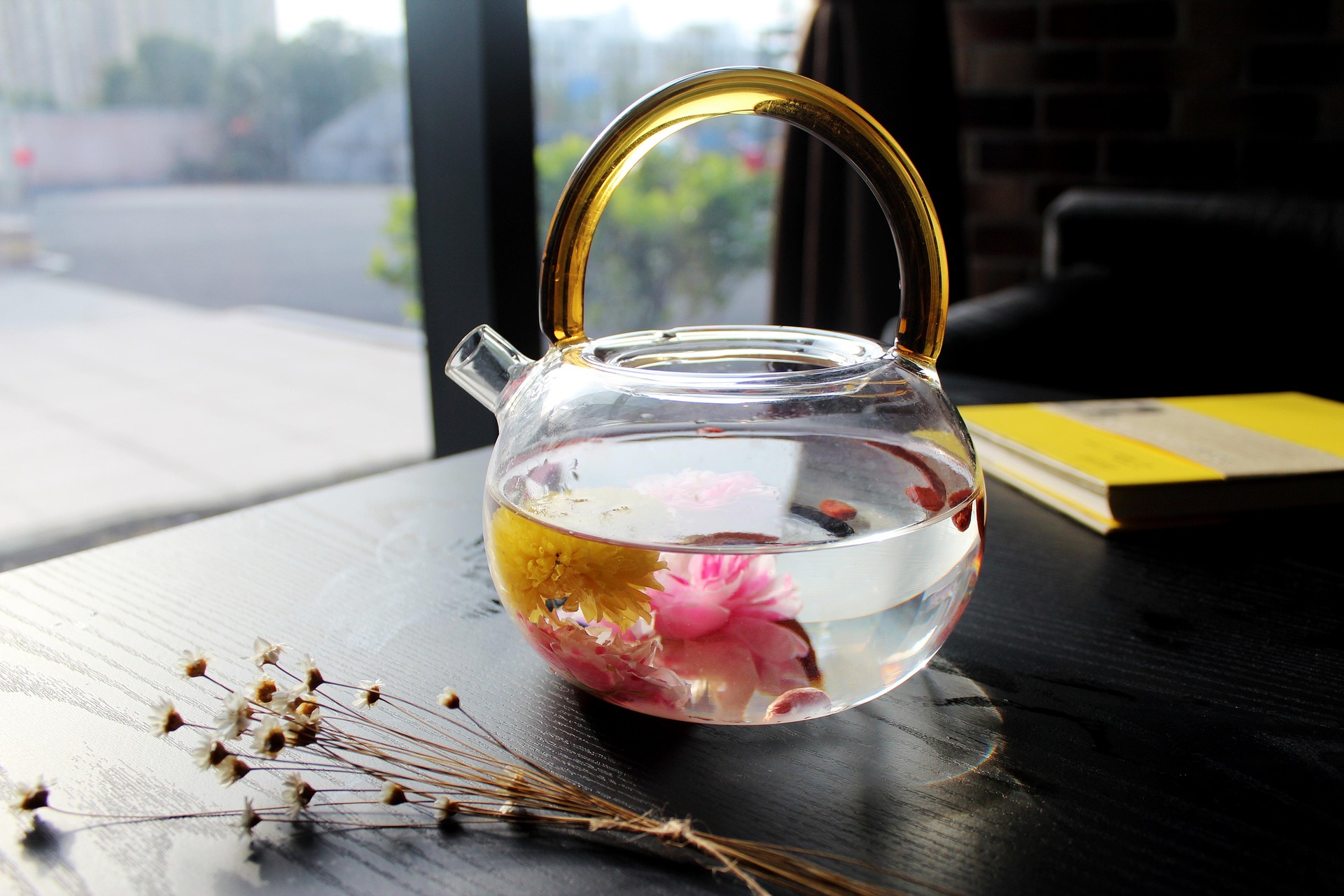
The choice between tea vs coffee represents more than just morning ritual preferences – it reflects distinct biochemical effects, health implications, and flavor profiles that make each beverage uniquely suited to different lifestyles. Tea vs coffee both contain caffeine and antioxidants, yet deliver these compounds in markedly different quantities and combinations, creating distinct energy patterns and wellness benefits. Understanding the differences between tea vs coffee helps you select the beverage that best supports your health goals, productivity needs, and daily rhythms. This comprehensive guide explores caffeine content, health benefits, brewing science, and how to choose the optimal beverage for your circumstances.
Table of Contents
What Is Coffee?
Coffee is a brewed beverage made from roasted and ground coffee beans – the seeds of berries from Coffea plant species native to Ethiopia. The roasting process, which occurs before grinding and brewing, develops coffee’s signature dark color, rich flavor, and aromatic compounds. Roasting temperatures and duration – from light to dark roasts – create different flavor profiles and slightly affect caffeine content. Brewing methods vary widely: espresso machines force hot water through finely ground coffee under pressure, drip coffee makers slowly percolate water through grounds, French presses steep grounds directly in hot water, and pour-over methods balance controlled extraction with manual brewing. Each method produces different flavor intensity and caffeine concentration based on water temperature, contact time, and ground particle size.
Coffee contains 80 to 200 milligrams of caffeine per eight-ounce cup, with variation depending on bean type, roast level, and brewing method. A single espresso shot delivers 63 to 75 milligrams in a concentrated 1-ounce serving, while cold brew concentrate can reach 200 milligrams per serving. Coffee’s rapid caffeine absorption creates quick, intense energy – a pronounced “jolt” most coffee drinkers recognize. This rapid onset and offset means coffee delivers maximum alertness within 30 to 60 minutes but energy subsequently declines more steeply than tea, creating the familiar post-coffee energy dip and sometimes driving repeated consumption throughout the day.
What Is Tea?
Tea is a brewed beverage made from dried leaves of the Camellia sinensis plant, native to Southeast Asia. The plant produces four primary tea varieties based on oxidation level: white tea (minimal oxidation, lightest), green tea (slight oxidation), oolong tea (partial oxidation), and black tea (full oxidation). This oxidation level determines color, flavor, and the chemical compounds present in the finished brew. All true teas come from the same plant species; herbal infusions like chamomile, rooibos, and peppermint are technically not “tea” but rather herbal beverages. Most people’s tea consumption focuses on true teas: green tea for Asian beverage tradition, black tea for Western daily drinking, and oolong or white tea for specialty preparation.
Tea contains 25 to 50 milligrams of caffeine per eight-ounce cup for most varieties, with green tea toward the lower end and black tea toward the higher end of this range. Green tea and white tea contain substantially less caffeine than black tea or coffee -often one-third to one-half the caffeine of equivalent coffee servings. Importantly, tea contains L-theanine, an amino acid that modulates caffeine’s effects, creating a gentler, more sustained energy curve rather than the sharp peak and crash of coffee. This combination produces what tea drinkers describe as “alert calm” – mental focus and clarity without the jittery intensity coffee sometimes produces.
Caffeine Content and Energy Effects: Tea vs Coffee Compared
Coffee’s caffeine advantage over tea vs coffee comparisons is striking: a standard cup of coffee contains 80 to 200 milligrams of caffeine compared to tea’s 25 to 50 milligrams – meaning coffee delivers approximately three times the caffeine per serving. This mathematical difference produces fundamentally different physiological effects. Coffee’s rapid caffeine absorption and high concentration create immediate alertness, often accompanied by increased heart rate, sharper mental focus, and potentially tremors or jitteriness in sensitive individuals. The energy peak occurs within 30 to 60 minutes, followed by a notable decline as the body metabolizes caffeine.
Tea’s lower caffeine combined with L-theanine creates a different energy profile. L-theanine crosses the blood-brain barrier and increases alpha wave activity – brain waves associated with alert relaxation and creative thinking. The amino acid also buffers caffeine’s jittery effects, smoothing out the energy curve. Tea drinkers experience gentler alertness that rises more slowly, sustains longer, and declines more gradually than coffee’s sharp peak. This explains why tea devotees report feeling “focused without the crash” and why long-distance work sessions sometimes favor tea over coffee: sustained energy without the energy-deficit depression that follows coffee’s peak. Understanding tea vs coffee energy effects helps match your beverage choice to your specific activities and optimal performance times.
Health Benefits: Tea vs Coffee Antioxidants and Wellness Effects
| Health Aspect | Coffee Benefits | Tea Benefits |
| Cardiovascular Health | Associated with less heart disease; improves blood flow | Contains catechins and L-theanine; supports heart health |
| Type 2 Diabetes | Linked to lower diabetes risk; improves insulin sensitivity | Green tea associated with improved glucose metabolism |
| Cognitive Decline Prevention | Lower risk of Alzheimer’s and Parkinson’s disease | Antioxidants support brain health; less studied than coffee |
| Liver Health | Reduced fatty liver disease risk; protective effects | Supports liver function; less direct evidence than coffee |
| Antioxidant Content | High antioxidants from roasted compounds | Very high in catechins (especially green and white tea) |
| Cancer Risk | Some evidence of reduced risk; more research needed | Green tea catechins linked to reduced cancer risk |
| Mental Clarity | Immediate focus and mood improvement | Sustained focus with L-theanine; less energy dip |
| Sleep Impact | High caffeine can disrupt sleep if consumed after 2pm | Lower caffeine better for evening; some herbal teas aid sleep |
| Anxiety Potential | Can trigger anxiety in sensitive individuals | L-theanine actually reduces anxiety and promotes relaxation |
| Digestive Effects | Stimulates digestion; can cause stomach upset | Gentler on stomach; some varieties soothe digestion |
Research demonstrates both tea vs coffee offer genuine health advantages, with each beverage providing distinct wellness benefits. Coffee drinking correlates with reduced risk of type 2 diabetes, heart disease, fatty liver disease, and cognitive decline including Alzheimer’s and Parkinson’s disease. Coffee’s high antioxidant content – from the roasting process that creates hundreds of bioactive compounds – delivers protective effects against inflammation and cellular damage. Harvard Health research on coffee and tea health effects shows that coffee drinkers lived longer than non-drinkers, with benefits appearing across black coffee, decaf, and even espresso, suggesting caffeine accounts for only part of coffee’s health benefits.
Tea, particularly green and white varieties, excels in antioxidant concentration. Tea contains catechins (especially EGCG), polyphenols, and other compounds linked to reduced cancer risk, improved cardiovascular function, and enhanced metabolism. Green tea has been studied extensively in Japanese and Chinese populations, where regular consumption correlates with lower disease rates and longer lifespans. Tea’s L-theanine provides unique benefits beyond caffeine’s alertness: the amino acid reduces anxiety, improves attention, and supports a calm mental state. For individuals sensitive to caffeine or seeking anxiety reduction, tea vs coffee strongly favors tea. For those prioritizing disease prevention and longevity based on epidemiological evidence, coffee shows slightly stronger research support, though both beverages contribute to wellness when consumed without excessive sugar or cream.
Taste, Flavor, and Preparation: Tea vs Coffee Brewing Methods
Flavor profiles distinguish tea vs coffee fundamentally. Coffee typically presents bitter, rich, sometimes fruity or chocolatey notes depending on bean origin and roast level. The deep roasting process creates intense flavors that dominate the beverage; most coffee drinkers appreciate the bold taste as central to coffee’s appeal. Brewing method significantly affects coffee flavor: espresso offers concentrated intensity, drip coffee provides balanced extraction, French press delivers full-bodied richness with sediment, and pour-over methods produce cleaner, more precise flavors by controlling extraction precisely. For a deeper dive into coffee preparation, learn about Instant Coffee vs Ground Coffee: 4 Essential Differences and Coffee Versus Espresso: How They Differ and Why It Matters.
Tea’s flavor ranges from delicate and grassy (green tea) to malty and robust (black tea) to floral and complex (oolong). Tea’s subtlety rewards attention to brewing variables: water temperature, steeping time, leaf quantity, and water quality dramatically affect flavor outcome. Green tea steeped at 160 to 180 degrees Fahrenheit for two to three minutes tastes fresh and vegetal; the same leaves steeped at boiling temperature for five minutes become bitter and unpleasant.
Black tea tolerates higher temperatures and longer steeping without bitterness, making it more forgiving. This brewing sensitivity gives tea devotees opportunities for customization and discovery, while coffee’s bold character survives most preparation variations. Both beverages reward proper technique and quality ingredients, though tea offers more nuanced flavor variation based on brewing precision.
Frequently Asked Questions
Is tea or coffee better for productivity and focus?
Both beverages enhance focus, but in different ways. Coffee delivers immediate, intense mental clarity ideal for short bursts of high-concentration work. Tea provides sustained alertness and focus without the jitteriness or energy crash, making it better for multi-hour work sessions. For tasks requiring sustained attention over several hours, tea’s steady L-theanine effect often outperforms coffee’s sharp peak followed by decline. For tasks requiring immediate maximum focus, coffee’s rapid caffeine delivery excels. Many productivity enthusiasts alternate throughout the day: coffee in morning for fast activation, tea for sustained afternoon focus.
Can drinking tea or coffee daily cause health problems?
Moderate consumption – three to five cups of coffee or six to eight cups of tea daily -is considered safe for most adults according to major health organizations including the FDA. Exceeding 400 milligrams of caffeine daily can cause sleep disruption, anxiety, and dependency. Individuals with anxiety disorders, certain cardiac conditions, or caffeine sensitivity should consume less or switch to decaf varieties. Coffee’s acidity can irritate sensitive stomachs, while tea generally poses fewer digestive risks. Pregnant individuals should limit caffeine to under 200 milligrams daily. The key is moderation and individual sensitivity awareness; tea vs coffee choice should account for your personal tolerance and health conditions.
Does the time of day matter when choosing tea vs coffee?
Absolutely. Caffeine’s half-life is four to six hours, meaning consumed caffeine remains in your system far longer than immediate effects suggest. Drinking coffee after 2 PM often disrupts evening sleep in sensitive individuals. Tea, with lower caffeine and L-theanine’s calming effect, poses less sleep disruption risk even if consumed in afternoon. For optimal sleep, switch from caffeinated beverages to herbal tea or water by early evening. Morning coffee aligns with natural cortisol rhythms and supports wake-up alertness, while mid-morning or afternoon tea sustains focus without preventing sleep. Time tea vs coffee consumption strategically according to your sleep schedule and productivity needs.
Choosing Between Tea and Coffee: Which Is Best for You?
Selecting between tea vs coffee depends on your specific needs, health considerations, and personal preferences. Choose coffee if you prioritize immediate mental alertness, prefer bold flavors, desire maximum antioxidant density from established research, or enjoy the ritual of dark, rich beverages. Choose tea if you prefer sustained energy without crashes, want anxiety reduction or sleep preservation, appreciate subtle flavor complexity, or possess caffeine sensitivity.
Neither beverage is objectively superior; both offer genuine health benefits and pleasurable experiences. Many people maintain balanced consumption of both, leveraging their distinct advantages throughout the day: coffee for morning activation and mental intensity, tea for afternoon focus and evening relaxation. Understanding tea vs coffee’s different effects empowers you to match your beverage choice to your lifestyle, health goals, and daily demands for optimal energy, focus, and wellbeing.

