

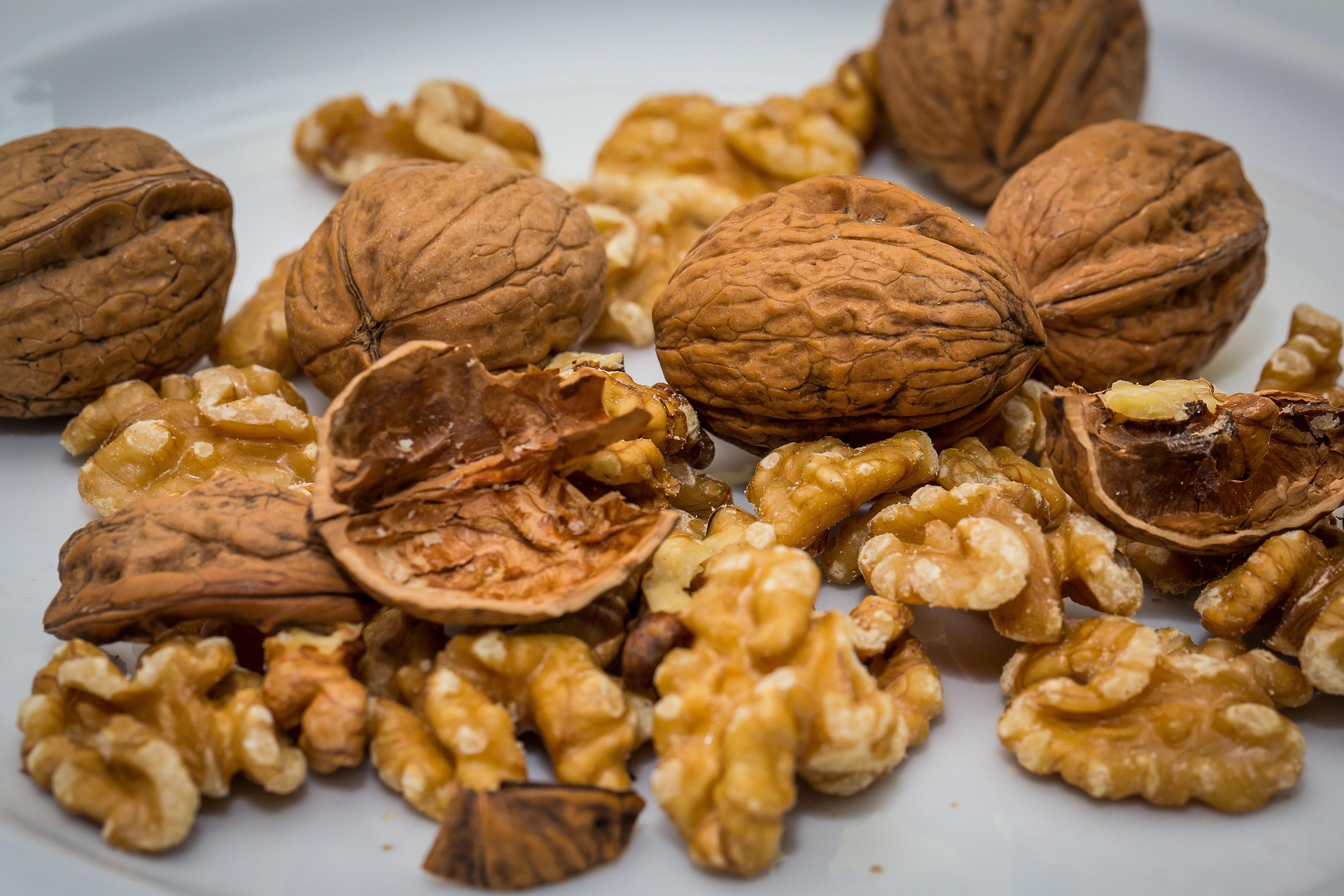
The difference between black walnut vs walnut extends far beyond simple naming – these are two entirely different species with distinct characteristics, flavors, and uses. Many people assume “walnut” and “black walnut” refer to the same nut, but the difference between black walnut vs walnut reflects different botanical origins, growing regions, and primary purposes. Understanding the difference between black walnut vs walnut helps you choose the right ingredient for cooking and understand wood quality differences. In this guide, we’ll explore the key distinctions and show you how the difference between black walnut vs walnut affects your culinary and woodworking decisions.
Table of Contents
What is Black Walnut?
Black walnut (Juglans nigra) is a native American tree species prized for both its nuts and its exceptionally dark, dense wood. Black walnuts are enclosed in thick, rough shells that are extremely hard to crack and contain darker, irregularly-shaped kernels. The nuts have an intensely bold, earthy, and musty flavor with complex undertones sometimes described as fruity or tangy. This strong flavor survives baking and cooking, making black walnuts ideal for specialty applications where a pronounced walnut taste is desired. Black walnuts contain 57% more protein than English walnuts and are notably rich in minerals like manganese, magnesium, and phosphorus.
The difference between black walnut vs walnut is equally pronounced in timber applications. Black walnut wood is prized for fine furniture, gun stocks, and decorative veneers because of its deep chocolate-brown color, fine grain, and exceptional hardness. The tree has become commercially valuable specifically for its wood, creating a significant lumber industry in North America. However, black walnuts are less commonly eaten as snacks or used in everyday cooking compared to English walnuts, partly due to the difficulty of harvesting and processing the nuts from their tough shells.
What is Walnut (English Walnut)?
When most people refer simply to “walnut,” they mean English walnut or European walnut (Juglans regia), the species grown in commercial orchards worldwide. English walnuts have thinner, smoother shells that are easier to crack, revealing lighter-colored kernels with a milder, slightly sweet, and more delicate flavor. The difference between black walnut vs walnut in culinary applications is stark – English walnuts work well in everyday baking, granolas, salads, and pesto because their subtle flavor complements other ingredients without overpowering them. English walnuts are the primary commercial nut crop, available year-round in most grocery stores, and more affordable than specialty black walnuts.
English walnuts excel nutritionally as a source of omega-3 fatty acids, particularly alpha-linolenic acid (ALA), which supports heart and brain health. According to Nutritionix nutrition data, a 1-ounce serving of walnuts provides about 185 calories with significant protein and healthy fats. The difference between black walnut vs walnut in wood applications is that English walnut trees are essentially never harvested for lumber in North America – they’re grown exclusively in orchards for nut production, making genuine English walnut wood furniture an antique or custom commission rarity.
Black Walnut vs Walnut Key Differences
| Feature | Black Walnut | English/Common Walnut |
| Scientific Name | Juglans nigra | Juglans regia |
| Origin | Native to North America (eastern US) | Native to Central Asia, grown worldwide |
| Shell Hardness | Extremely thick and hard (difficult to crack) | Thin and smooth (easy to crack) |
| Kernel Color | Dark brown, irregular shape | Light tan, uniform shape |
| Flavor Profile | Intensely bold, earthy, musty, fruity undertones | Mild, sweet, delicate, subtle |
| Protein Content | 57% higher protein than English | Standard (baseline) |
| Omega-3 Source | Moderate | Excellent source of ALA |
| Best Culinary Uses | Bold-flavor applications: specialty ice creams, dark baked goods, pesto with sharp cheeses | Everyday use: granola, salads, mild baking, snacking, pesto |
| Availability | Limited, specialty markets, seasonal | Year-round, widely available, affordable |
| Price | Premium ($20-30+ per pound) | Moderate ($8-15 per pound) |
| Wood Color | Dark chocolate brown | Pale tan with darker streaks, gray or reddish cast |
| Wood Hardness | Janka 1,010 (harder) | Janka 1,220 (slightly harder but softer than black) |
| Primary Wood Use | Fine furniture, veneers, gun stocks, specialty lumber | Specialty woodworking only (not commercial lumber) |
| Commercial Industry | Lumber production is primary use | Nut production is exclusive use |
Culinary Applications and Flavor
The difference between black walnut vs walnut in the kitchen is immediately apparent in taste and versatility. Black walnuts’ bold, earthy flavor makes them ideal for specific applications where you want walnut to be a prominent note – black walnut ice cream, chocolate-walnut brownies, or walnut bread where the intense flavor survives baking. The difference between black walnut vs walnut means you cannot simply substitute one for the other in recipes without expecting dramatically different results. A mild walnut salad would be overpowered by black walnuts; conversely, English walnuts would disappear into a black walnut ice cream.
English walnuts’ mild flavor and availability make them the default choice for everyday cooking and snacking. The difference between black walnut vs walnut in practical kitchen use means English walnuts work in flexible applications – added to granola, mixed into salads, used in pesto, or eaten plain. Home bakers predominantly use English walnuts because their subtle taste complements a wider range of recipes without overwhelming other flavors. The difference between black walnut vs walnut in accessibility also matters – English walnuts are available year-round in every grocery store, while black walnuts are specialty items found only in markets catering to enthusiasts or during fall harvest season.
Frequently Asked Questions
Can I substitute black walnuts for regular walnuts in recipes?
Not interchangeably. The difference between black walnut vs walnut in flavor is too pronounced. Black walnuts’ intense earthiness will overpower delicate recipes designed for subtle walnut flavor. However, you can use black walnuts in recipes where bold flavor is desired, adjusting quantities downward since their flavor is so concentrated. The difference between black walnut vs walnut means always consider the recipe’s flavor profile before substituting.
Are black walnuts healthier than English walnuts?
They offer different nutritional benefits. The difference between black walnut vs walnut is that black walnuts have higher protein (57% more) and more minerals like manganese, while English walnuts are superior sources of omega-3 fatty acids (ALA), which are crucial for heart and brain health. Both are nutritionally excellent – choose based on which benefit is more important to your health goals. The difference between black walnut vs walnut nutritionally means they’re complementary rather than competitive.
Choosing the Right Walnut
The difference between black walnut vs walnut means you should choose based on your specific purpose. For everyday cooking, baking, and snacking, English walnuts are the practical choice – they’re accessible, affordable, and their mild flavor works in countless applications. The difference between black walnut vs walnut is less about quality and more about suitability. For specialty applications where you specifically want bold walnut flavor – artisanal ice cream, gourmet baked goods, or distinctive pesto – black walnuts deliver an intensity that English walnuts cannot match.
In woodworking, the difference between black walnut vs walnut is equally decisive – black walnut’s dark color and commercial availability make it the standard choice for fine furniture and custom projects, while English walnut remains a rare specialty choice. Understanding the difference between black walnut vs walnut ensures you appreciate what each offers: English walnuts as a nutritious everyday staple, black walnuts as a premium specialty ingredient that transforms specific dishes through their distinctive character.

