

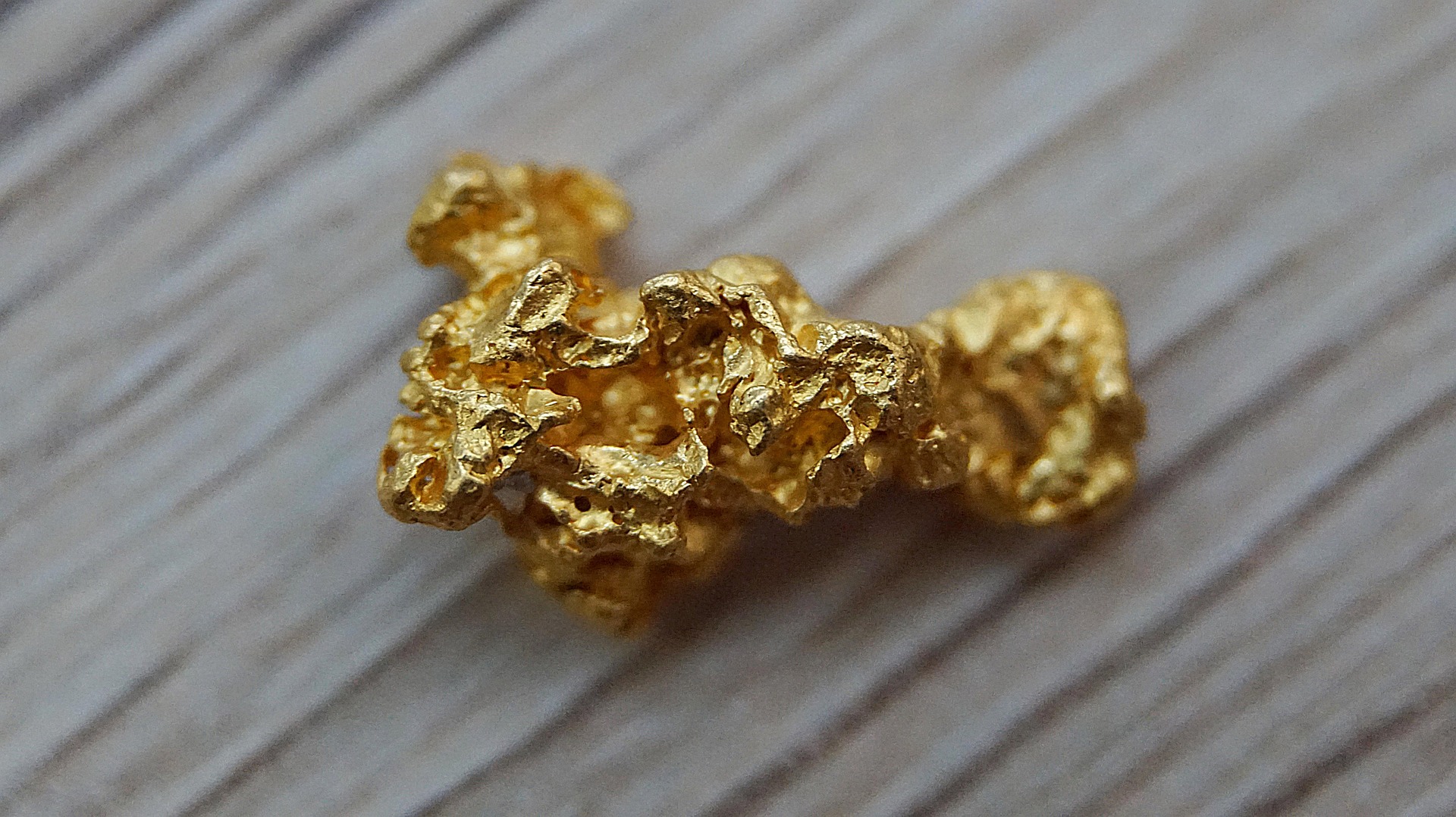
Telling brass from gold can feel tricky at a glance, but their underlying properties are entirely different. The primary difference between brass and gold comes down to atomic composition, density, chemical reactivity, and market value. While both display a warm yellow shine, gold is an elemental precious metal that never tarnishes, whereas brass is an affordable copper-zinc alloy prone to oxidation.
The primary difference between brass and gold is that gold is a dense, non-reactive precious element (Au) that resists tarnish, while brass is a lighter base metal alloy of copper and zinc that oxidizes over time. Pure gold has a density of roughly 19.3 g/cm³, more than double the density of brass at 8.4 to 8.7 g/cm³.
Table of Contents
The Difference Between Brass and Gold in Composition and Material Properties
At the atomic level, gold and brass belong to completely different categories of materials. Gold is a natural chemical element represented by the symbol Au on the periodic table. Brass, in contrast, does not exist on the periodic table. Manufacturers create brass by melting together copper and zinc in varying proportions. Understanding this fundamental difference between brass and gold explains why the two metals behave so differently under heat, friction, and chemical exposure.
Gold: The Noble Precious Metal and Karat System
Scientists classify gold as a noble metal. This means it resists oxidation, acid attack, and corrosion under normal atmospheric conditions. Because pure 24-karat gold is naturally soft, jewelers alloy it with other metals to increase structural strength for daily wear.
The karat system measures the ratio of pure gold to alloyed metals out of 24 parts:
- 24K Gold: 99.9% pure gold, extremely soft and rich yellow.
- 18K Gold: 75% pure gold (marked as 750), highly durable with rich color.
- 14K Gold: 58.3% pure gold (marked as 585), the standard for balance between strength and value.
- 10K Gold: 41.7% pure gold (marked as 417), the minimum legal standard for gold jewelry in many regions.
Brass: The Copper-Zinc Base Metal Alloy
Brass is a non-ferrous base metal alloy. Standard brass typically contains about 60% to 70% copper and 30% to 40% zinc. Modifying these ratios changes the metal’s ductility, strength, and shade. For example, high-copper brass looks warmer, while high-zinc brass looks pale and bright.
Unlike fine gold alloys, brass contains no precious metals unless someone plates a micro-layer on top. Therefore, another key difference between brass and gold is that brass remains an inexpensive industrial and decorative material rather than a store of financial wealth.
Visual and Physical Characteristics Compared
To the untrained eye, polished brass can mimic yellow gold. Yet, once you handle both materials side by side, evaluating the physical difference between brass and gold becomes straightforward through clear markers.
| Property | Solid Gold (14K–24K) | Standard Brass |
|---|---|---|
| Composition | Elemental Au (often alloyed with Ag/Cu) | Copper and Zinc alloy |
| Density | ~13.0 to 19.3 g/cm³ (alloy dependent) | 8.4 to 8.7 g/cm³ |
| Tarnish Resistance | High to permanent (no corrosion) | Low (develops green/brown patina) |
| Nitric Acid Reaction | No reaction (inert) | Rapid green foaming and dissolution |
Color Tone and Luster
Gold exhibits a deep, warm yellow tone that reflects light with a soft, buttery luster. Even lower-karat items retain a warm undertone. Brass, by comparison, often displays a sharper, brassy yellow sheen with subtle greenish or brownish undertones. Freshly machine-polished brass can look intensely bright, but the visual difference between brass and gold lies in the rich warmth of fine gold.
Weight and Specific Gravity Differences
Weight provides one of the fastest ways to spot the difference between brass and gold. Pure gold has an approximate density of 19.3 g/cm³. Brass has a density between 8.4 and 8.7 g/cm³. Consequently, a pure gold object weighs more than twice as much as an identical brass object.
Even common 14-karat jewelry alloys sit around 13.0 to 14.0 g/cm³. When you hold a genuine gold item in your palm, it feels surprisingly heavy for its size. This noticeable heft highlights the physical difference between brass and gold, as a brass duplicate of identical dimensions feels light.
Hardness and Malleability
On the Mohs hardness scale, pure gold rates around 2.5 to 3, making it soft and easily deformed. Brass rates higher, typically between 3 and 4 on the Mohs scale. This structural difference between brass and gold makes brass stiffer and less prone to surface gouges than pure gold, though it is more brittle under sharp bending forces.
How Can You Tell the Difference Between Brass and Real Gold at Home?
If you have an unmarked vintage item or piece of jewelry, several non-destructive and chemical methods can reveal what you have, as detailed in wikiHow’s guide on telling gold from brass.
Checking Hallmarks and Purity Stamps
The easiest first step in identifying the difference between brass and gold is inspecting the piece with a jeweler’s loupe. Legitimate gold items almost always carry official purity stamps indicating their karat rating or millesimal fineness.
Common hallmarks on gold include:
- Karat indicators: 10K, 14K, 18K, 22K, 24K
- Parts-per-thousand numbers: 417 (10K), 585 (14K), 750 (18K), 916 (22K), 999 (24K)
- Maker’s marks: Assayer symbols or registered designer initials.
In contrast, solid brass jewelry rarely carries purity stamps. If you see stamps like “Brass”, “Base Metal”, or no markings at all, the item is likely brass.
The Magnet and Water Displacement Tests
Neither gold nor brass is magnetic. If your item sticks firmly to a strong neodymium magnet, it contains iron, nickel, or cobalt, ruling out solid gold immediately. Still, because brass is also non-magnetic, a negative magnet test will not establish the difference between brass and gold.
To get a definitive answer at home without chemicals, measure specific gravity using water displacement. First, weigh your dry item on a precision gram scale. Next, place a cup of water on the scale, tare it to zero, and suspend the item in the water without letting it touch the bottom or sides. Divide the dry weight by the suspended weight in water. If the resulting number is around 8.5, you have brass. If the number sits between 13.0 and 19.3, the item is gold.
Acid Testing and Chemical Reactions
Professional jewelers use the nitric acid test to confirm the difference between brass and gold. Nitric acid does not react with pure gold. However, nitric acid dissolves or discolors brass rapidly, producing a bright green fizzing reaction due to the copper content.
To perform this test, scratch a tiny, discreet line on a jeweler’s testing stone and apply a drop of nitric acid. If the streak dissolves instantly in green foam, the metal is brass or base alloy. If the streak remains intact, the metal is gold matching the testing acid’s karat rating. Always wear protective gloves and eye protection when handling testing acids, as they can cause severe chemical burns.
Does Brass Tarnish or Turn Skin Green Compared to Gold?
The everyday durability of these two metals differs significantly when exposed to air, sweat, and household chemicals. Pure gold is chemically inert, so it never tarnishes, rusts, or oxidizes. While 10K or 14K gold can occasionally pick up minor surface grime over years of neglect, it will not corrode.
Brass behaves very differently. Because brass contains high amounts of copper, it oxidizes when exposed to oxygen, ambient humidity, and skin oils. Over time, brass forms a dark brown or greenish patina. Furthermore, when the copper in brass reacts with sweat acids, it creates copper salts that leave a harmless green stain on your skin. This skin discoloration is a classic practical difference between brass and gold: if your yellow ring leaves a green band around your finger after a warm day, you are wearing brass or another copper-heavy base metal, not solid gold.
Understanding Gold-Plated Brass and Modern Jewelry Terminology
Many modern accessories combine both materials to provide the luxury appearance of gold at a fraction of the cost. Recognizing the difference between brass and gold construction helps you avoid paying solid-gold prices for base metals.
The primary manufacturing formats include:
- Gold-Plated Brass: A brass base covered with a microscopic layer of gold (usually 0.175 to 0.5 microns thick) applied via electroplating. This coating wears off over time, exposing the brass core.
- Gold-Filled: A much thicker sheet of gold mechanically bonded with heat and pressure over a brass base. Gold-filled items must contain at least 5% gold by total weight, lasting years longer than simple plating.
- Gold Vermeil: Gold plating applied specifically over a sterling silver base rather than brass. Vermeil requires a minimum gold thickness of 2.5 microns.
Always inspect pieces for marks such as “GP” (Gold Plated), “GF” (Gold Filled), or “HGE” (Heavy Gold Electroplate). These confirm that the underlying core is a base alloy like brass.
Market Value, Cost Differences, and Typical Uses
The commercial and investment value of these materials sits at opposite ends of the market. The financial difference between brass and gold is immense: gold functions as an internationally traded commodity, a currency hedge, and a premier jewelry material. Because it is rare and labor-intensive to refine, gold trades at high prices per troy ounce. It holds its intrinsic value indefinitely and can always be melted down and resold for scrap value.
Brass, on the other hand, is an abundant industrial metal priced by the pound or kilogram rather than the gram. It provides exceptional utility where low friction, acoustic resonance, and workability matter. For instance, manufacturers use brass for musical instruments (trumpets, saxophones), plumbing fittings, decorative hardware, marine fasteners, and costume jewelry.
Before purchasing an expensive vintage piece or family heirloom, verify its weight, inspect its stamps, and test its specific gravity. A few basic checks will quickly confirm whether you are investing in genuine gold or a well-polished piece of brass.

