

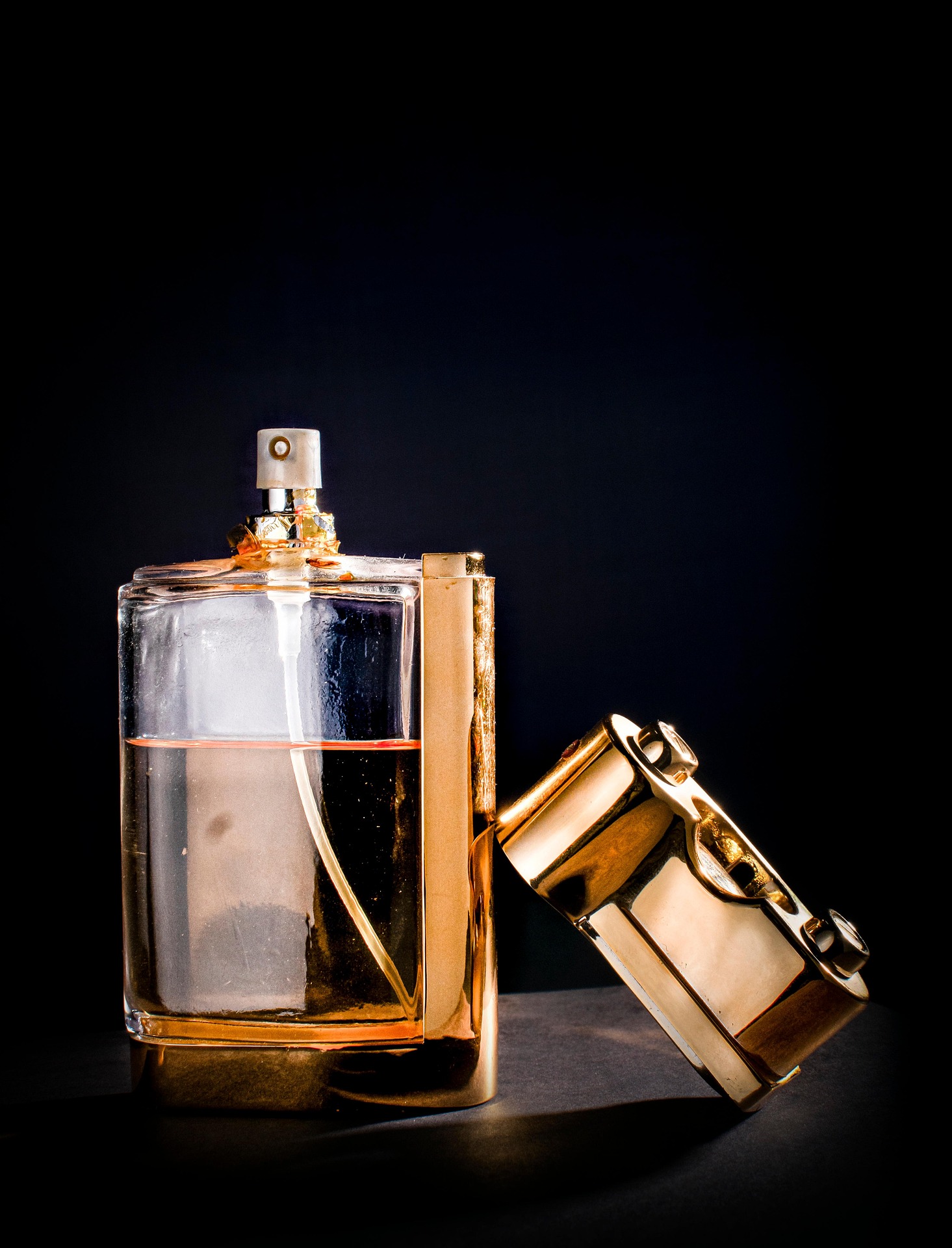
The difference between eau de toilette vs parfum confuses many fragrance shoppers who assume all fragrances are created equally. These two terms describe distinct product categories with vastly different fragrance concentrations, longevity, and price points. Understanding the difference between eau de toilette vs parfum helps you choose the right fragrance strength for your needs and budget. In this guide, we’ll explain what each designation means, how the difference between eau de toilette vs parfum affects performance, and how to decide which suits your lifestyle best.
Table of Contents
What is Eau de Toilette?
Eau de toilette (EDT) is a fragrance with a fragrance concentration between 5% and 15%, with most products clustering around 8-10%. The term “eau de toilette” literally means “toilet water,” a historical reference to light daytime fragrances popular in 18th-century Europe. This fragrance history shows how EDT evolved to offer fresh, subtle scents suitable for daily wear and office environments. The difference between eau de toilette vs parfum is immediately apparent in longevity: eau de toilette typically lasts 3-5 hours on skin before fading significantly.
Eau de toilette is the most popular fragrance category because it strikes a balance between scent strength and wearability. The difference between eau de toilette vs parfum in price means EDT is significantly more affordable—a 100ml bottle typically costs $30-60. This accessibility makes eau de toilette perfect for experimenting with new scents or owning a diverse fragrance wardrobe. The difference between eau de toilette vs parfum in versatility also favors EDT because its lighter nature works for casual, professional, and social settings without overwhelming those around you.
What is Parfum?
Parfum (also called perfume or extrait de parfum) is the most concentrated form of fragrance, containing 20-40% fragrance oils with the remainder being alcohol and possibly water. The difference between eau de toilette vs parfum is striking: a single spray of parfum delivers a noticeably stronger scent than two sprays of eau de toilette. Parfum stays on your skin 6-8 hours or longer, sometimes persisting faintly for 12+ hours on fabric. This exceptional longevity makes parfum ideal for special occasions, evening wear, or situations where you want your fragrance to last all day.
The premium price tag associated with parfum reflects both its concentration and luxury positioning. A 50ml bottle of parfum costs $100-300+, far exceeding eau de toilette pricing. The difference between eau de toilette vs parfum in cost-per-wear is actually favorable for parfum if you wear it regularly, since you need far fewer sprays per application. The difference between eau de toilette vs parfum in intensity means parfum wearers apply only 1-2 sprays compared to 3-4 sprays of EDT, making a 50ml bottle last considerably longer.
Eau de Toilette vs Parfum Detailed Comparison
| Feature | Eau de Toilette | Parfum |
| Fragrance Concentration | 5-15% (usually 8-10%) | 20-40% (usually 20-30%) |
| Longevity on Skin | 3-5 hours (moderate fade) | 6-8+ hours (long-lasting) |
| Longevity on Fabric | 5-8 hours | 12+ hours or more |
| Scent Intensity | Moderate, subtle | Strong, prominent |
| Sprays per Application | 3-4 sprays | 1-2 sprays |
| Best Use Case | Daily wear, office, casual | Special occasions, evening, formal |
| Price per 100ml | $30-60 | $200-600+ (converted from 50ml) |
| Suitable Seasons | Spring, summer, year-round | All seasons (especially fall/winter) |
| Application Spots | Pulse points, generous application | Pulse points, minimal application |
| Layering with Other Scents | Suitable for layering | Better worn solo |
| Travel-Friendly | Bulky, requires frequent reapplication | Compact 50ml, long-lasting |
Performance and Longevity Differences
The difference between eau de toilette vs parfum in longevity is the most dramatic distinction between them. Eau de toilette requires reapplication during the day if you want consistent scent projection. The difference between eau de toilette vs parfum means that after 3-4 hours, eau de toilette fades to a skin scent—detectable only if someone is very close. Parfum, by contrast, projects noticeably for 6+ hours and remains detectable on your clothes for days. The difference between eau de toilette vs parfum in this regard influences purchase decisions: those who reapply throughout the day might prefer EDT’s lighter nature, while others value parfum’s set-and-forget convenience.
Environmental and personal factors affect how long both fragrances last. Warm weather accelerates evaporation, so the difference between eau de toilette vs parfum becomes less pronounced in summer heat. Skin type matters too: oily skin holds fragrance longer, so the difference between eau de toilette vs parfum is more noticeable on dry skin. Fabric application (applying fragrance to clothing rather than just skin) extends the difference between eau de toilette vs parfum significantly—eau de toilette lasts 8+ hours on fabric, while parfum lasts for days or weeks.
Choosing Between Eau de Toilette vs Parfum
Start with your lifestyle and budget. The difference between eau de toilette vs parfum suggests EDT for everyday wear, office environments, and those new to fragrance collecting. Eau de toilette’s affordability lets you explore different scents without major investment. The difference between eau de toilette vs parfum shifts toward parfum if you value longevity and plan to wear the same fragrance frequently—the cost-per-wear improves significantly with parfum’s efficiency.
Consider owning both types. Many fragrance enthusiasts maintain a rotation: light eau de toilette for daily wear and office, plus a signature parfum for evenings and special occasions. The difference between eau de toilette vs parfum makes this approach practical because they serve different needs. Start with a 100ml eau de toilette to discover your preferred scent family (floral, fruity, woody, fresh), then invest in a parfum version of your favorite once you’re confident in your preference. The difference between eau de toilette vs parfum in this progressive approach prevents costly mistakes.
Frequently Asked Questions
Is eau de toilette vs parfum ever the same scent in both concentrations?
Yes, frequently. Major fragrance houses release popular scents in both eau de toilette and parfum versions. The difference between eau de toilette vs parfum when they share the same scent is noticeable: the base notes and depth change with the higher concentration of parfum. Many people find the difference between eau de toilette vs parfum versions of the same fragrance significant enough to own both, using EDT for casual wear and parfum for impact.
Can I layer eau de toilette and another fragrance?
Yes. The difference between eau de toilette vs parfum includes suitability for layering: EDT’s lighter nature makes it ideal for combining with body lotions, body sprays, or other fragrances. The difference between eau de toilette vs parfum when layering is that parfum is too intense to layer—combining it with other scents creates an overpowering result. EDT’s lower concentration allows creative scent combinations.
Your Fragrance Choice
The difference between eau de toilette vs parfum offers flexibility in how you build your fragrance collection. There’s no single “better” option—your lifestyle, budget, and scent preferences determine the right choice. The difference between eau de toilette vs parfum favors EDT for budget-conscious shoppers and those who enjoy variety, while parfum suits those who value longevity and prefer a signature scent worn regularly. Many aficionados appreciate the difference between eau de toilette vs parfum enough to maintain both in their collection, choosing based on the occasion.
Start your fragrance journey with eau de toilette to explore what appeals to you. Once you identify a fragrance you genuinely love, consider investing in parfum for maximum longevity and impact. The difference between eau de toilette vs parfum should inform your purchasing strategy but never restrict your enjoyment—wear whichever concentration makes you feel confident and smells beautiful.

