

For sushi enthusiasts exploring Japanese cuisine, understanding nigiri vs sashimi clarifies fundamental distinctions in sushi preparation and eating experience. Both nigiri vs sashimi feature raw fish prominently, yet they represent different sushi types with distinct preparation methods and flavor profiles. Exploring these 5 core differences helps diners select appropriate sushi when ordering while appreciating how preparation technique transforms the eating experience.
Table of Contents
What is Nigiri?
Nigiri is a sushi type consisting of hand-pressed vinegared sushi rice topped with a slice of raw fish or other seafood. The word “nigiri” translates to “two fingers,” referring to the traditional size and shape of the rice base – approximately two fingers wide and formed by hand into an oblong mound. Creating nigiri requires skilled sushi craftsmanship, as the sushi chef must form sticky rice precisely while maintaining proper rice temperature and texture.
A thin wasabi layer sits between rice and fish topping, secured with a light touch to enhance flavor without overwhelming delicate fish. Sometimes a thin strip of nori (seaweed) wraps around the rice base to hold ingredients together. Nigiri typically measures one to two bites, designed for consumption in a single mouthful. America’s Test Kitchen explains sushi fundamentals. The combination of vinegared rice and fresh fish creates a balanced flavor profile where both components contribute equally to the eating experience.
What is Sashimi?
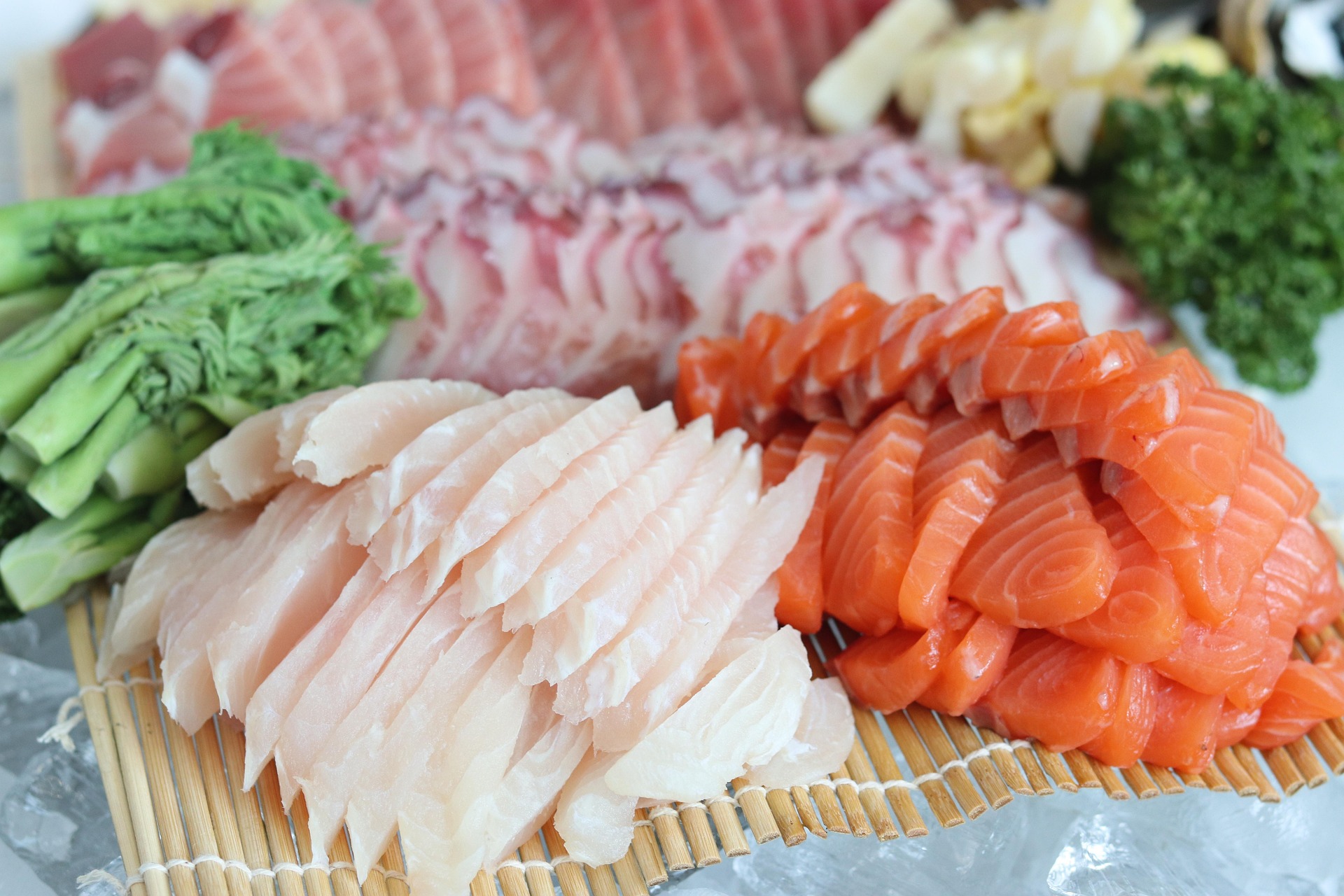
Sashimi consists of thinly sliced raw fish served without any rice component. The word “sashimi” translates to “pierced” or “sliced fish,” emphasizing the preparation method. Sashimi represents pure fish appreciation – the ingredient stands alone without accompaniments that might mask delicate flavors. Each slice showcases the fish’s color, texture, and quality, demanding extremely fresh, high-quality fish from reliable sources.
Sashimi slices are typically arranged artfully on a plate with decorative accompaniments like thin daikon radish threads and shiso leaves, though these elements aren’t consumed. Soy sauce, wasabi, and pickled ginger accompany sashimi for diners to use as condiments. Nigiri vs sashimi differs fundamentally because sashimi emphasizes the fish itself rather than creating a rice-and-fish combination. Sashimi portions vary from three to six slices, allowing diners to appreciate multiple textures and flavors from premium fish selections.
5 Core Differences Between Nigiri vs Sashimi
| Element | Nigiri | Sashimi |
| Main Components | Rice + raw fish topping | Raw fish only |
| Preparation Focus | Rice craftsmanship and rice-fish balance | Fish quality and slicing technique |
| Flavor Profile | Balanced rice and fish flavors | Pure fish flavor only |
| Portion Size | 1-2 bites per piece | 3-6 slices per serving |
| Consumption Method | One piece in single bite | Individual slices eaten separately |
| Accompaniments | Wasabi between rice and fish | Soy sauce, wasabi, ginger on side |
| Skill Emphasis | Rice formation and temperature control | Fish selection and slicing precision |
| Fish Quality Requirements | High-quality but forgiving | Absolutely premium grade required |
Preparation Techniques: How Nigiri vs Sashimi Differ in Craftsmanship
Nigiri and sashimi preparation diverges dramatically in technique and focus. Creating nigiri begins with forming sushi rice into precise oblong shapes requiring years of training to perfect. The sushi chef must maintain rice at exact temperature and humidity while handling it delicately to avoid crushing individual grains. Nigiri and sashimi differ because nigiri demands consistent rice technique across every piece while maintaining perfect rice texture throughout service.
Sashimi preparation emphasizes knife skills rather than rice handling. The sushi chef selects premium fish blocks, then uses a specific knife with a single smooth stroke to create thin, perfectly uniform slices. Nigiri and sashimi differ because sashimi preparation focuses entirely on achieving ideal slice thickness and presentation while nigiri requires balancing two distinct elements. Sashimi demands sharper knives and more precise cutting technique, as any deviation in slice thickness dramatically affects mouthfeel and flavor delivery.
Flavor Experience: Why Nigiri and Sashimi Appeal to Different Preferences
Nigiri and sashimi create distinctly different tasting experiences reflecting their composition. Nigiri combines vinegared rice sweetness with fresh fish, creating complex flavors from two components. The rice provides textural contrast to the fish’s silkiness and adds subtle sweetness that enhances fish flavor. Diners appreciate nigiri for its complete flavor profile where rice and fish achieve balance. Nigiri and sashimi differ because nigiri allows diners to experience how preparation can elevate simple ingredients into something greater than individual components.
Sashimi offers unadulterated fish flavor, allowing diners to appreciate subtle variations between fish types and ages. Premium sashimi showcases fish’s delicate sweetness, buttery texture, and complexity that vinegared rice might overshadow. Nigiri and sashimi differ because sashimi demands superior fish quality to justify lack of supporting flavors. Diners preferring clean, pure tastes often favor sashimi, while those seeking balanced flavor profiles prefer nigiri. Both approaches respect the ingredient – nigiri through complementary rice preparation, sashimi through premium sourcing and precise slicing.
Frequently Asked Questions
Is sashimi considered sushi?
Technically no – sashimi exists as its own sushi category. While nigiri vs sashimi both appear in sushi restaurants, sashimi specifically means “sliced raw fish without rice.” Sushi is the broader category encompassing nigiri, sashimi, maki (rolls), and other preparations. Nigiri and sashimi represent different sushi types, not variations of the same dish. The distinction matters for accurate terminology and menu ordering.
Which requires fresher fish: nigiri or sashimi?
Sashimi demands superior freshness and quality because fish appears alone without supporting elements. Nigiri and sashimi differ significantly here – nigiri’s rice and wasabi provide some flavor masking if fish quality drops slightly, while sashimi has nowhere to hide inferior fish. Premium sashimi requires sushi-grade fish from reliable sources with proper handling and storage throughout supply chain. Nigiri allows slightly more flexibility in ingredient quality.
Can you make nigiri vs sashimi at home?
Sashimi is considerably easier for home preparation since it requires only quality fish, a sharp knife, and proper slicing technique. Nigiri demands more specialized skill – forming perfect rice shapes requires practice, rice temperature control is critical, and consistency across multiple pieces proves challenging. Most home sushi enthusiasts start with sashimi for these reasons. Nigiri and sashimi differ in accessibility – sashimi favors beginners while nigiri requires invested practice.
Appreciating Nigiri and Sashimi: Understanding Your Sushi Choice
Understanding nigiri vs sashimi helps diners make informed choices reflecting their preferences and occasion. Choose nigiri when seeking balanced, complete sushi flavors where rice and fish complement each other. Nigiri suits most diners and occasions, offering satisfying combination of textures and tastes. Choose sashimi when prioritizing pure fish appreciation and have access to premium-grade fish from reputable sources. Sashimi suits special occasions and diners comfortable with unadulterated seafood flavors. Both nigiri vs sashimi offerings deserve respect – nigiri for its balance and accessibility, sashimi for its purity and ingredient showcase. Exploring both options deepens appreciation for sushi craftsmanship and Japanese culinary traditions.

