

Understanding pemphigus vulgaris vs bullous pemphigoid matters for anyone facing an autoimmune blistering disease diagnosis, since these two conditions look similar but behave very differently. The pemphigus vulgaris vs bullous pemphigoid distinction affects treatment intensity, prognosis, and monitoring approach in ways that shape long-term outcomes. Learning how pemphigus vulgaris vs bullous pemphigoid differ helps patients advocate for appropriate care and helps clinicians choose therapies matched to the true severity of each condition.
This article is educational and does not replace professional medical advice. Any decision about diagnosis or treatment belongs to a qualified physician using current clinical guidelines.
Table of Contents
What Is Pemphigus Vulgaris?
Pemphigus vulgaris is a rare autoimmune disease in which the immune system produces antibodies against desmoglein proteins that hold skin cells together. When these desmogleins are attacked, skin cells separate from each other in a process called acantholysis, forming fragile blisters that rupture easily. Pemphigus vulgaris typically starts in the mouth with painful erosions that make eating difficult, then spreads to other areas of the body including the scalp, chest, and groin over weeks or months without treatment.
According to the NIH National Institute of Arthritis and Musculoskeletal and Skin Diseases overview of pemphigus, pemphigus vulgaris most often affects adults between ages 40 and 60 and can be life-threatening if untreated. In the pemphigus vulgaris vs bullous pemphigoid picture, pemphigus vulgaris represents the more aggressive and dangerous condition, requiring prompt immunosuppressive therapy to prevent complications from widespread skin loss, dehydration, and secondary infection through open erosions.
What Is Bullous Pemphigoid?
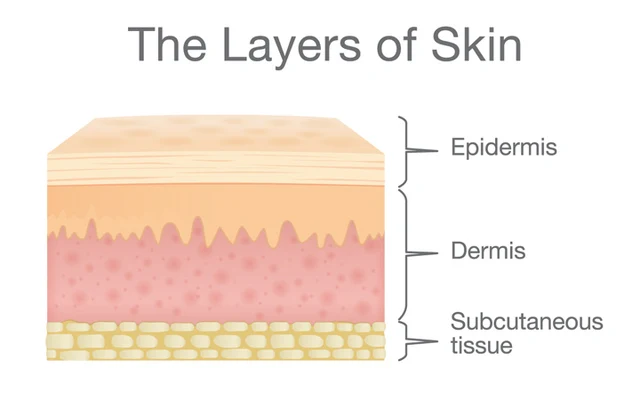
Bullous pemphigoid is a chronic autoimmune blistering disease in which antibodies attack proteins at the dermal-epidermal junction, the deeper layer where the top skin layer connects to the tissue below. The blisters form beneath the entire top layer of skin, producing large, tense, fluid-filled bullae that resist easy rupture. Bullous pemphigoid typically affects the elderly, most commonly people over age 60, and often begins with itching or hive-like patches before blisters appear on the trunk, arms, and legs.
In the pemphigus vulgaris vs bullous pemphigoid comparison, bullous pemphigoid generally follows a less severe course because its blisters are stronger and less prone to widespread erosion. Bullous pemphigoid rarely affects the mouth, and when it does, oral involvement is typically mild. The condition responds well to topical and moderate systemic treatment in most cases, making bullous pemphigoid a more manageable diagnosis overall than the aggressive erosive pattern seen in pemphigus vulgaris across most patient cases.
Pemphigus Vulgaris vs Bullous Pemphigoid: Key Differences
The pemphigus vulgaris vs bullous pemphigoid distinction centers on which skin layer is affected and how severely blisters form. Pemphigus vulgaris causes fragile intraepidermal blisters that rupture almost immediately, leaving painful raw erosions. Bullous pemphigoid produces tense subepidermal blisters that stay intact longer and heal without scarring. Age of onset, mouth involvement, antibody targets, and treatment intensity all separate these two autoimmune blistering diseases in ways clinicians rely on for accurate diagnosis and management planning.
| Feature | Pemphigus Vulgaris | Bullous Pemphigoid |
| Antibody Target | Desmoglein 3 (and desmoglein 1) | BP180 and BP230 hemidesmosome proteins |
| Blister Location | Intraepidermal (within top skin layer) | Subepidermal (below top skin layer) |
| Blister Character | Flaccid, fragile, ruptures easily | Tense, firm, remains intact longer |
| Typical Age Onset | 40-60 years old | 60+ years old |
| Mouth Involvement | Common, often first symptom | Uncommon and typically mild |
| Nikolsky Sign | Positive (skin sloughs with pressure) | Usually negative |
| Severity Without Treatment | Potentially life-threatening | Chronic but rarely fatal |
| Primary Treatment | Systemic corticosteroids, rituximab | Topical or lower-dose steroids often adequate |
| Response to Treatment | Slower, requires long-term therapy | Generally faster with lower relapse risk |
| Scarring | Rare but erosions can be extensive | Typically heals without scarring |
Diagnosis and Testing Methods
Diagnosing pemphigus vulgaris vs bullous pemphigoid requires skin biopsy for histology and direct immunofluorescence. Histology of pemphigus vulgaris shows separation within the epidermis with rounded acantholytic cells floating above the basal layer. Bullous pemphigoid histology shows a clean split at the dermal-epidermal junction with an inflammatory infiltrate rich in eosinophils. These distinct patterns give pathologists strong clues to the correct diagnosis even before immunofluorescence testing confirms the antibody deposition pattern in the affected tissue.
Direct immunofluorescence remains the gold standard for confirming pemphigus vulgaris vs bullous pemphigoid diagnosis. In pemphigus vulgaris, antibodies deposit in a fishnet pattern between skin cells throughout the epidermis. In bullous pemphigoid, antibodies deposit in a linear band at the basement membrane zone below the epidermis. Blood tests for circulating anti-desmoglein or anti-BP180 antibodies also help confirm the diagnosis and can be tracked over time to monitor disease activity during treatment.
Treatment Approaches for Each Condition
Treatment for pemphigus vulgaris typically requires high-dose systemic corticosteroids to control the aggressive antibody attack on skin cells. Rituximab, an anti-CD20 monoclonal antibody, has become a first-line therapy for many patients because it depletes the B cells producing pathogenic autoantibodies. In the pemphigus vulgaris vs bullous pemphigoid treatment comparison, pemphigus vulgaris demands more intensive immunosuppression and longer therapy duration to achieve remission and prevent life-threatening flares of widespread skin erosion.
Bullous pemphigoid treatment often begins with high-potency topical corticosteroids applied to the entire skin, an approach that produces disease control with fewer side effects than systemic therapy in many patients. When systemic treatment is needed, lower doses of oral corticosteroids and steroid-sparing agents like doxycycline or nicotinamide often suffice. The pemphigus vulgaris vs bullous pemphigoid treatment philosophy generally reflects the milder disease course of bullous pemphigoid and the greater tolerance for topical approaches in elderly patients.
Prognosis and Long-Term Outlook
Prognosis differs significantly in the pemphigus vulgaris vs bullous pemphigoid comparison. Before effective immunosuppressive therapy became available, pemphigus vulgaris carried mortality rates above 70 percent. Modern treatment has transformed the disease into a manageable chronic condition, though patients still face significant challenges from long-term immunosuppression and possible disease flares that require careful monitoring by dermatologists specialized in autoimmune bullous disease over many years of ongoing follow-up.
Bullous pemphigoid typically follows a more favorable course, with many patients achieving remission within one to three years of diagnosis. However, mortality remains elevated in elderly patients due to age, comorbidities, and complications from systemic corticosteroids when used. The pemphigus vulgaris vs bullous pemphigoid outcome data reinforces the importance of matching treatment intensity to disease severity, using the least aggressive effective therapy to minimize side effects while controlling autoimmune skin damage across each individual case.
Frequently Asked Questions
Are pemphigus vulgaris vs bullous pemphigoid contagious?
No, neither pemphigus vulgaris nor bullous pemphigoid is contagious. Both are autoimmune diseases caused by the patient’s own immune system producing antibodies against skin proteins. You cannot catch either condition through contact with an affected person, sharing utensils, or being near someone with active blisters. The underlying cause involves genetic predisposition combined with unknown environmental triggers rather than any infectious agent that could spread person to person.
Can medications trigger pemphigus vulgaris vs bullous pemphigoid?
Yes, certain medications can trigger either condition in susceptible individuals. Drug-induced pemphigus is linked to ACE inhibitors, penicillamine, and some other medications. Drug-induced bullous pemphigoid has been associated with certain diabetes medications (gliptins), diuretics, and antibiotics. If you develop blistering while taking new medications, contact your physician promptly to evaluate whether medication change might be part of appropriate treatment for your situation.
How long does treatment take for pemphigus vulgaris vs bullous pemphigoid?
Pemphigus vulgaris treatment typically extends over several years, with gradual tapering of medications to prevent flares. Some patients achieve durable remission after rituximab and can stop treatment eventually. Bullous pemphigoid treatment often continues for one to three years, with many patients achieving lasting remission. Individual course varies significantly based on disease severity, treatment response, and patient factors that only your medical team can properly evaluate.
Navigating an Autoimmune Blistering Diagnosis
Recognizing pemphigus vulgaris vs bullous pemphigoid early makes a significant difference in outcomes for both conditions. Persistent blisters, unexplained mouth erosions, or widespread skin peeling deserve prompt evaluation by a dermatologist experienced with autoimmune blistering diseases. Biopsy and immunofluorescence testing confirm diagnosis and guide treatment. The pemphigus vulgaris vs bullous pemphigoid distinction directly determines therapy intensity, so accurate diagnosis matters greatly for optimal care.
Living with either condition requires close partnership with your medical team, adherence to treatment, and monitoring for both disease flares and medication side effects. The pemphigus vulgaris vs bullous pemphigoid journey involves ups and downs, but modern therapy has transformed both diseases into manageable conditions for the majority of patients. With expert care and patience, most people achieve meaningful disease control and preserve quality of life throughout their treatment.

