

The terms pickles and gherkins are often used interchangeably in casual conversation, but they describe fundamentally different things. While a gherkin is a type of small cucumber, a pickle refers to any vegetable preserved through fermentation or brining. Understanding pickles and gherkins clarifies both what you’re buying at the grocery store and how these foods are made. Many cooks discover that pickles and gherkins represent completely separate concepts – one is a vegetable variety, the other is a preparation method.
Table of Contents
What is a Pickle? Pickles and Gherkins Preservation Explained
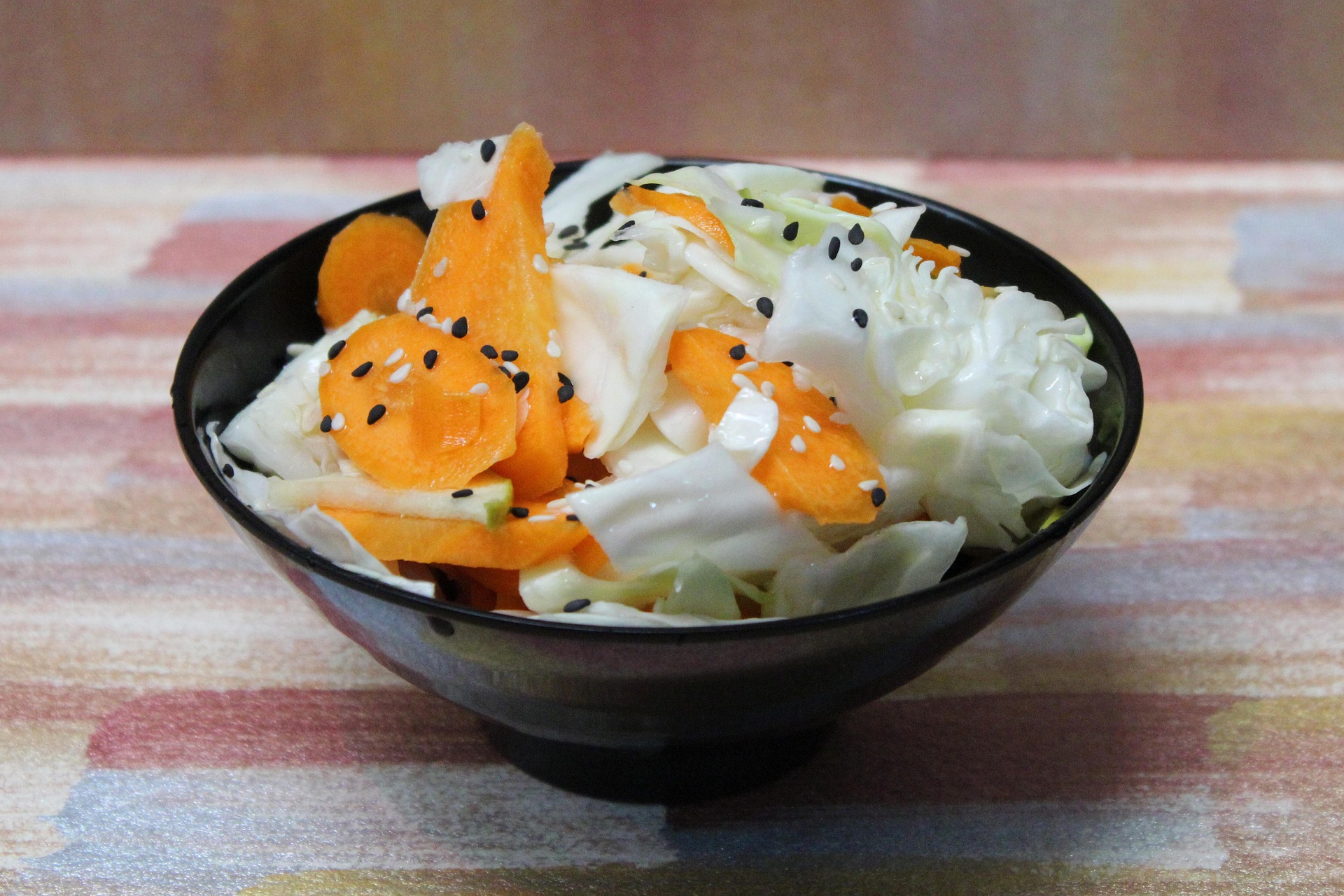
A pickle is any vegetable that has been preserved through fermentation, brining, or vinegar-based curing. The term “pickle” refers to the preservation process and final product, not the vegetable itself. While understanding pickles and gherkins requires recognizing this distinction, it’s important to note that many vegetables can be pickled – not just cucumbers. Cabbage, carrots, beets, peppers, and even fruits like apples become pickles through preservation. The pickling process involves submerging vegetables in a liquid (typically brine with salt, vinegar, spices, and herbs) where they undergo fermentation or are preserved through the acidity.
There are two primary pickling methods. Traditional fermentation relies on salt brine and naturally occurring lactobacillus bacteria to create lactic acid, which preserves the vegetables over weeks or months. Quick-pickled or vinegar-based pickles use vinegar and heat-processing for faster preservation that can be ready in days. Both methods create the characteristic tangy flavor associated with pickles. When comparing pickles and gherkins in terms of preparation, gherkins are commonly chosen for both fermentation and vinegar methods due to their ideal size and texture. Serious Eats provides detailed guidance on pickling techniques and flavor variations.
What is a Gherkin? Pickles and Gherkins: Vegetable vs Process
A gherkin is a small variety of cucumber, typically harvested when immature and very small. Understanding pickles and gherkins means recognizing that gherkins are typically 1 to 3 inches long at harvest, though they can reach up to 4 inches if left on the vine longer. The most common gherkin variety is the West Indian gherkin (Cucumis anguria), which is distinct from the small pickling cucumber varieties. Gherkins have thinner skin, smaller seeds, and more delicate flesh than standard cucumbers, making them naturally suited to pickling applications. This is why, when learning about pickles and gherkins, most people encounter gherkins in pickled form rather than fresh.
The name “gherkin” derives from Dutch and German origins and specifically refers to this small cucumber type, not to the pickled product. In European countries, gherkins are called cornichons when picked at their smallest size (less than 2 inches). Fresh gherkins are occasionally available at farmers markets and specialty grocers, though most consumers encounter them in their pickled form in jars at supermarkets. The relationship between pickles and gherkins demonstrates this perfectly: gherkins are the vegetable; the pickled version (whether fermented or vinegar-based) becomes a pickle.
Pickles and Gherkins: The Fundamental Difference Explained
The distinction between pickles and gherkins reveals itself when you recognize their different categories. A gherkin is a vegetable – a specific type of small cucumber. A pickle is a preparation method and final product. Therefore, pickles and gherkins occupy entirely different taxonomic classifications: one is a plant variety, the other is a food processing technique. This is why you can have pickled gherkins (gherkins preserved using the pickling method) or pickled cucumbers (full-size cucumbers preserved the same way). The relationship between pickles and gherkins is hierarchical: gherkins are a component that becomes pickles through processing.
In practice, gherkins are commonly used to make pickles because their size, texture, and flavor profile suit the pickling process exceptionally well. However, this doesn’t make pickles and gherkins synonymous. You can pickle regular cucumbers, and some gherkins are eaten fresh without pickling. The confusion arises because gherkins appear most frequently in their pickled form on grocery store shelves. Understanding pickles and gherkins as separate concepts – one vegetable type, one preservation method – clarifies the relationship and prevents the common misconception that all pickles come from gherkins (they don’t) or that gherkins are always pickled (they can be fresh).
Flavor Profiles, Nutrition, and Culinary Uses: Pickles and Gherkins
Fresh gherkins have a crisp, slightly sweet flavor with mild cucumber characteristics and delicate texture. When preserved, the flavor profile changes significantly. Pickled gherkins take on tangy, briny flavors from their fermentation or vinegar-based brine. The size and thin skin of gherkins allow pickling liquids to penetrate quickly, creating evenly flavored results across the vegetable. When comparing pickles and gherkins in terms of nutrition, both fresh gherkins and regular cucumbers offer similar profiles – low calorie, hydrating, with some fiber and vitamin K. The preservation process doesn’t significantly alter nutritional value, though sodium increases dramatically with brining.
Culinary uses vary based on whether you’re working with pickles and gherkins in their fresh or preserved forms. Pickled gherkins serve as condiments, appetizers, or cocktail garnishes. They add crunch to charcuterie boards and work well alongside cured meats. Larger pickled cucumbers (such as dill pickles) appear in sandwiches and burgers. Other pickled vegetables – pickled onions, pickled peppers, pickled beets – serve different roles in cuisines worldwide. The pickling method determines shelf stability and flavor intensity, with fermented pickles developing more complex, funky notes and quick-pickled versions offering brighter, sharper vinegar flavors. When preparing pickles and gherkins at home, you can control salt levels, spices, and fermentation time to customize the final product.
Frequently Asked Questions About Pickles and Gherkins
Are all pickles made from gherkins?
No. While gherkins are a popular choice for pickling due to their size and texture, pickles can be made from regular cucumbers, vegetables of any type, and even fruits. The question about whether pickles and gherkins share a direct relationship is partially answered here: gherkins CAN become pickles, but pickles don’t require gherkins. Dill pickle spears often come from larger cucumbers sliced into sticks. Gherkins simply happen to be ideal pickle candidates, so they appear frequently as pickled products, but they are not the only option.
Can you eat fresh gherkins without pickling them?
Yes, absolutely. Fresh gherkins can be eaten raw, making the distinction between pickles and gherkins especially relevant here. If you encounter fresh gherkins at farmers markets, they taste like crisp, tender cucumbers with a slightly sweeter flavor than full-size cucumbers. Fresh gherkins work well in salads or eaten as a snack. However, the majority of gherkin cultivation focuses on supplying the pickle industry rather than fresh produce markets, so fresh gherkins are harder to find than pickled gherkins in most areas.
Why do pickles and gherkins often taste different?
Taste differences between pickles and gherkins come from both the vegetable variety and the pickling method used. Gherkins have naturally thinner skin and smaller seed cavities than regular cucumbers, so they absorb pickling brine differently and more evenly. The fermentation or vinegar type used, spices added, and length of preservation time all affect final flavor. A quick-pickled gherkin tastes sharper and more vinegary, while fermented pickled gherkins develop complex, salty, funky notes. When comparing pickles and gherkins, remember that the vegetable itself determines texture and initial flavor, while the preparation method determines the final taste profile.
Making Pickles and Gherkins at Home: Simple Methods
Both pickles and gherkins are straightforward to preserve at home, making the distinction between pickles and gherkins even more practical when you’re doing the work yourself. Quick pickling requires heating vinegar brine, pouring it over gherkins or cucumbers in jars, and refrigerating – ready to eat within days. Fermented pickling involves submerging vegetables in salt brine and letting natural bacteria create lactic acid over 2 – 4 weeks.
Gherkins, due to their small size, ferment faster than full-size cucumbers. Home pickling allows control over salt levels, spices, and flavor intensity. Whether you choose pickles and gherkins from commercial sources or make them at home, understanding the distinction between the vegetable (gherkin) and the preparation method (pickling) enriches your appreciation for these versatile preserved foods and gives you confidence in both selecting and preparing them.

