

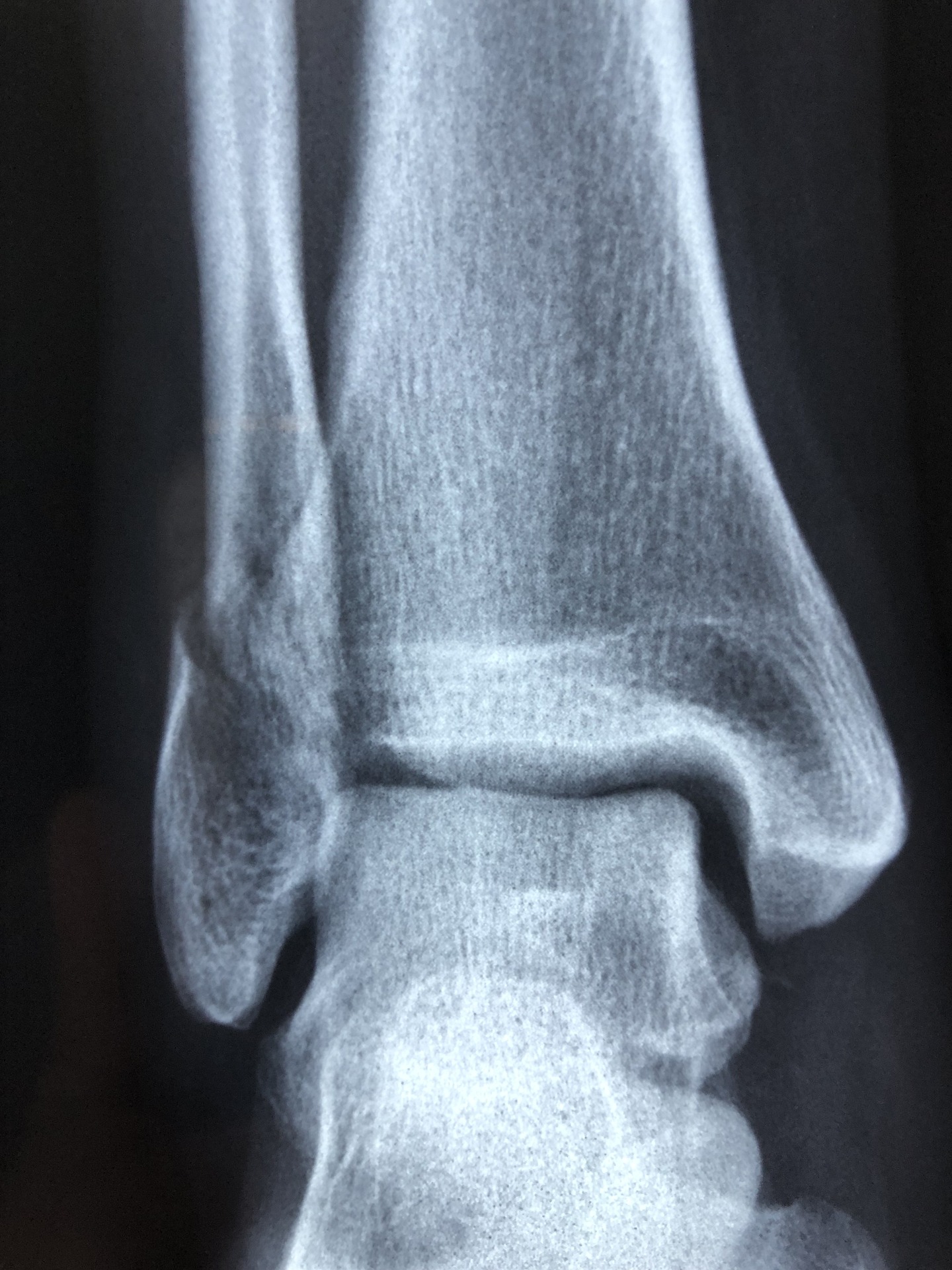
Many people confuse radiography and radiology, but understanding radiography vs radiology is essential for anyone pursuing healthcare careers or seeking diagnostic imaging. The key difference between radiography and radiology centers on one fundamental distinction: radiography is the technical process of creating medical images using radiation, while radiology is the medical specialty focused on interpreting those images and diagnosing conditions. Radiography vs radiology represents a split between hands-on imaging work and clinical interpretation – both critical to patient care.
This article is educational and does not replace professional medical advice. Any diagnostic or treatment decision belongs to a qualified medical professional using current clinical guidelines.
Table of Contents
Radiography vs Radiology: What’s the Difference?
Radiography is the technical and procedural practice of using radiation – primarily X-rays, but also gamma rays, ultrasound, and other imaging modalities – to create visual representations of the internal structures of the human body. A radiographer is a specially trained technologist who operates imaging equipment and positions patients to capture the clearest possible images. The comparison radiography vs radiology begins here: radiographers focus entirely on image acquisition, following strict protocols established by physicians and radiologists.
Radiography encompasses many imaging technologies beyond basic X-rays, including computed tomography (CT) scans, magnetic resonance imaging (MRI), mammography, and fluoroscopy. Radiographers must understand radiation safety, patient care, anatomy, pathology fundamentals, and equipment operation. A radiographer’s primary responsibility is capturing high-quality diagnostic images that meet clinical standards. For more detail on how different imaging methods compare, the NIMH provides an overview of brain imaging techniques and their applications.
Radiology: The Diagnostic Counterpart to Radiography
Radiology is a medical specialty within medicine focused on diagnosing and treating diseases using medical imaging techniques. A radiologist is a physician (MD or DO) who has completed medical school, residency training, and often fellowship training in radiology. Unlike radiographers, radiologists interpret images, make diagnostic conclusions, and communicate findings to referring physicians. The distinction radiography vs radiology becomes clear here: while radiographers create images, radiologists diagnose conditions from those images.
The radiologist’s role extends beyond image interpretation. They perform image-guided interventions (like biopsies or tumor ablation), manage imaging departments, supervise radiographers and technologists, and ensure quality standards are maintained. Radiologists stay current with evolving imaging technology and may specialize in specific areas such as interventional radiology, neuroradiology, or body imaging. Radiology is a medical discipline requiring years of post-medical school training, continuing education, and board certification through rigorous examinations.
Radiography vs Radiology: Key Differences in Training and Authority
While radiography and radiology are deeply interconnected, radiography vs radiology differs dramatically in education requirements and clinical authority. Radiography is a technical function requiring 2 years of specialized training, while radiology requires 4 years of medical school plus 5-6 years of residency – a 12+ year pathway. This massive training difference reflects the distinction in their roles: radiography is hands-on technical work; radiology requires independent clinical judgment.
Another crucial distinction: radiographers operate within protocols and orders set by physicians and radiologists. Radiologists make independent clinical judgments about what imaging is needed, how images should be interpreted, and what the findings mean for patient care. This difference in authority and responsibility reflects the different levels of education and medical training each role requires. Radiography vs radiology also differs in earning potential, with radiologists earning significantly more due to their medical degree and diagnostic responsibility.
How Radiography vs Radiology Work Together in Healthcare Settings
In clinical practice, radiography and radiology depend on each other for patient care success. The quality of imaging directly impacts the radiologist’s ability to make accurate diagnoses. A well-positioned radiograph with optimal exposure and minimal motion artifact gives the radiologist the best chance of detecting subtle pathology. Conversely, radiologists guide radiographers by establishing imaging protocols, providing feedback on image quality, and requesting additional views when initial images are unclear. This radiography vs radiology partnership ensures comprehensive patient evaluation.
Modern imaging departments are structured around this collaboration. Radiographers acquire images following established protocols. Radiologists review those images in real-time or shortly after, provide preliminary findings, and communicate results through formal radiology reports. In urgent situations – such as a trauma patient or suspected stroke – radiologists may be physically present during imaging to guide the radiographer and provide immediate interpretation. This partnership model makes radiography vs radiology roles equally essential to patient outcomes.
Radiography vs Radiology: Education Paths and Career Opportunities
The educational requirements for radiography professionals differ significantly from those pursuing radiology. Radiographers typically complete an accredited associate degree program in radiography, lasting two years. These programs cover anatomy, physiology, physics of radiation, patient safety, medical ethics, and hands-on clinical practice with actual imaging equipment. Upon graduation, radiographers must pass the American Registry of Radiologic Technologists (ARRT) certification exam to practice professionally. The comparison radiography vs radiology shows that radiography offers faster entry into healthcare careers.
Radiologists follow a much longer pathway. They complete four years of medical school (MD or DO), followed by five to six years of radiology residency training. Many radiologists pursue an additional fellowship (one to two years) in a subspecialty like interventional radiology, neuroradiology, or cardiac imaging. After residency, radiologists must pass the American Board of Radiology certification examination. The journey from high school to board-certified radiologist typically spans 12 – 15 years of formal training. Radiography vs radiology career prospects differ: radiography offers faster career entry; radiology offers greater earning potential and clinical authority.
Frequently Asked Questions About Radiography and Radiology
Can a radiographer become a radiologist?
Yes, but it requires pursuing a medical degree (MD or DO) and then completing a radiology residency. A radiographer’s background in imaging and anatomy can provide a strong foundation, but the path still requires medical school and years of specialty training. Some radiographers use their imaging experience to transition into related roles like radiation therapy or medical physics without becoming physicians, avoiding the radiography vs radiology divide by choosing alternative specialties.
Which career path offers better pay and job security – radiography or radiology?
Radiology offers significantly higher earning potential due to the additional education and decision-making authority, but radiography provides faster entry into healthcare and good job security with steady employment. Radiography offers faster entry into healthcare (typically 2 years), good earning potential, diverse specializations, and work-life balance. Radiology requires much longer training but provides greater earning potential, more autonomy in clinical decision-making, and the status of being a physician. The radiography vs radiology choice depends on your educational preferences, timeline, financial situation, and career aspirations.
Does the radiography vs radiology difference apply to all imaging types?
The distinction remains the same across all imaging modalities. An MRI radiographer operates the MRI scanner and acquires images following protocols, while an MRI radiologist interprets those images and provides diagnostic conclusions. If you’re curious about how different imaging methods compare structurally, the difference between FMRI and MRI represents another important distinction in medical imaging technology and application. Every imaging specialty follows this radiography vs radiology model.
Making Your Choice: Radiography vs Radiology Career Decision
Whether you’re considering a career in medical imaging or simply seeking to understand the healthcare system, recognizing the distinction between radiography vs radiology clarifies how modern medicine produces diagnostic images and turns them into patient care. Radiography and radiology together represent a complete imaging system – one side capturing high-quality images with precision and skill, the other interpreting those images with clinical expertise and diagnostic authority. Understanding radiography vs radiology helps you make an informed decision if you’re entering healthcare, or simply appreciate the collaborative expertise that powers diagnostic medicine. Both roles are essential, respected, and critical to patient outcomes in contemporary healthcare.

