

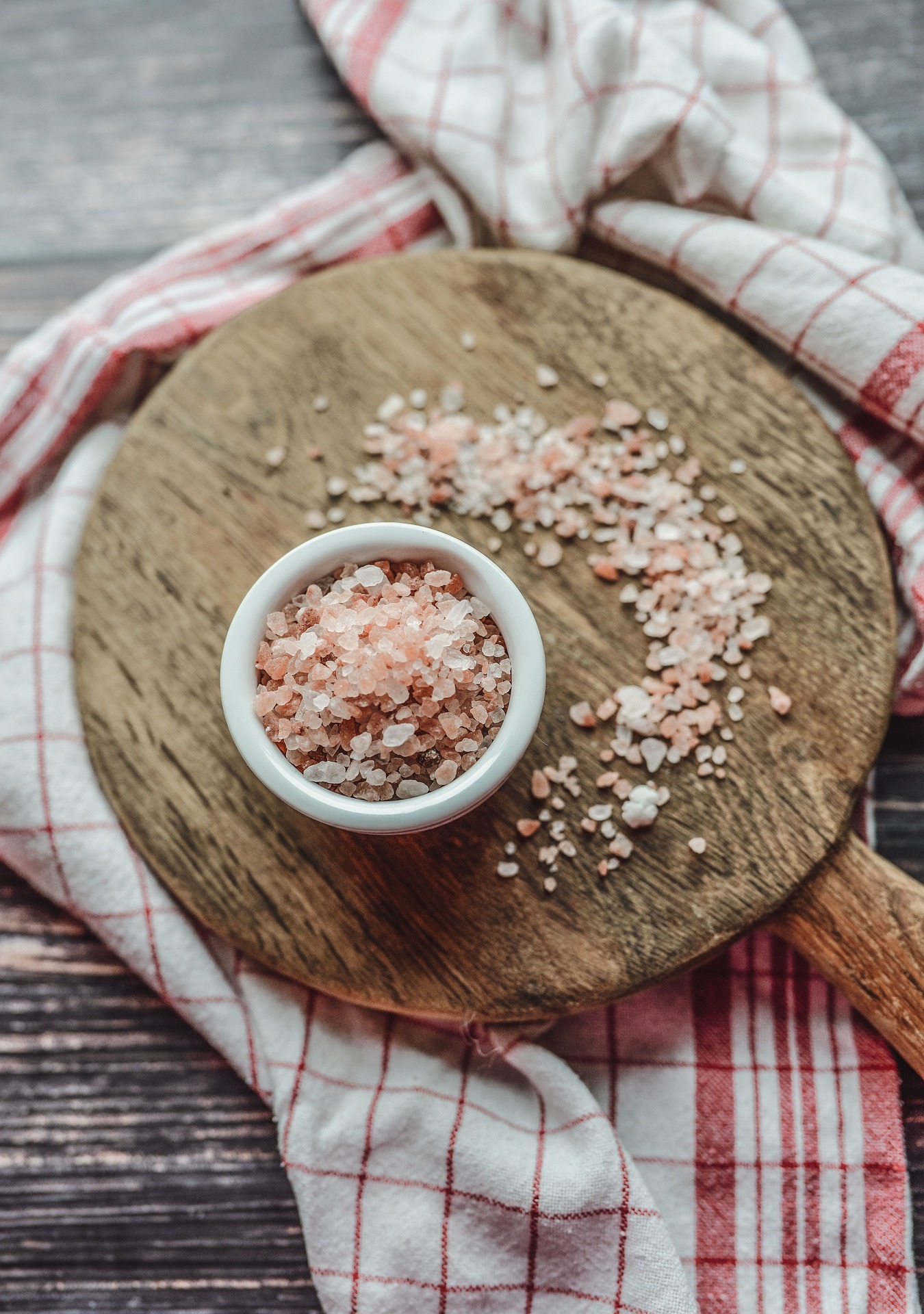
Grab two salt containers from your pantry and check the labels. One probably says “iodized.” The other, maybe a fancy pink Himalayan salt or a box of kosher salt, doesn’t mention iodine at all. The real difference between iodized salt and non iodized salt isn’t texture or flavor — it’s one microscopic ingredient that quietly protects your thyroid.
Table of Contents
What’s the difference between iodized salt and non iodized salt?
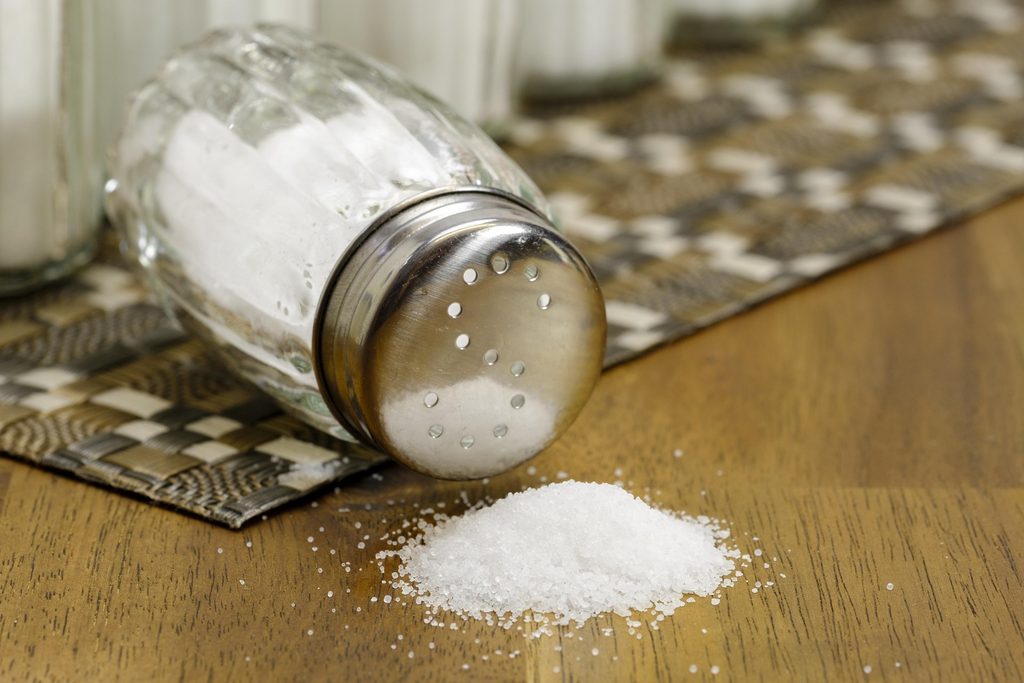
The difference between iodized salt and non iodized salt comes down to a single additive: iodine. Iodized salt has had a small amount of iodine compound mixed in during processing. Non-iodized salt hasn’t. Both taste the same, both are chemically sodium chloride at their core, and both season food the same way. The gap is nutritional, not culinary.
How iodine is added to salt
Manufacturers add iodine in the form of potassium iodide or potassium iodate, usually at 15-40 parts per million. That works out to roughly 30-50 micrograms of iodine per gram of salt, though most sources land closer to 45 mcg per gram — meaning just an eighth to a quarter of a teaspoon covers a meaningful chunk of your daily need. The compound is sprayed onto the salt crystals late in production, so it doesn’t change the crystal structure or the way the salt dissolves.
Types of non-iodized salt
Non-iodized salt isn’t one product — it’s a category. Sea salt, harvested by evaporating seawater, falls into this group. So does Himalayan pink salt, mined from ancient deposits like Pakistan’s Khewra Salt Mine. Kosher salt, with its large flaky crystals favored by chefs, is typically non-iodized too. Rock salt, known in South Asian cooking as sendha namak, rounds out the list and is traditionally used during religious fasting. Understanding the difference between iodized salt and non iodized salt means recognizing that non-iodized varieties span multiple sources and crystal structures, each with distinct culinary applications.
Why salt became the vehicle for iodine
Salt wasn’t picked at random. Public health officials chose it in the 1920s because nearly everyone eats it, regardless of income or diet, which made it an efficient way to prevent widespread deficiency. The program worked. Since the 1920s, iodine deficiency has dropped sharply in countries that adopted the difference between iodized salt and non iodized salt as a public health intervention, and more than 120 countries now run salt iodization programs according to the World Health Organization.
Why iodine matters for your body
Iodine isn’t a flavor enhancer or a preservative. It’s a raw material your thyroid gland needs to function at all. Understanding why the difference between iodized salt and non iodized salt matters for health starts here—with thyroid function.
Iodine’s role in thyroid hormone production
Your thyroid uses iodine to build T3 and T4, the two hormones that regulate metabolism, body temperature, and energy use in nearly every cell you have. No iodine means no hormone production, no matter how healthy the rest of your diet looks.
Health risks of iodine deficiency
When iodine runs short, the thyroid often swells trying to compensate — that’s a goiter. Left uncorrected, iodine deficiency can lead to hypothyroidism, developmental delays, and in severe cases, cretinism and reduced cognitive function in children. This is exactly the outcome that understanding the difference between iodized salt and non iodized salt was designed to prevent, and the record backs it up: after India made salt iodization mandatory in the 1980s, goiter rates fell from 30-40% down to under 5% in most regions.
How much iodine do you need daily?
Most adults need about 150 mcg of iodine a day. Pregnant women need more — around 220 mcg — and breastfeeding women need roughly 290 mcg, since the hormone demands of pregnancy and lactation are higher. A quarter teaspoon of iodized salt gets you a solid portion of that daily target without much effort.
Which type of salt is healthier?
This is where the difference between iodized salt and non iodized salt gets debated, and honestly, it’s not a fair fight once you look at what each one actually delivers.
Iodized salt and thyroid health
Iodized salt has a direct, measurable job: keeping your thyroid supplied. Global reliance on the difference between iodized salt and non iodized salt—specifically the iodized version—has grown fast: between 1990 and 2014, worldwide consumption of iodized salt rose from about 20% to 75%. Yet nearly 1.9 billion people are still at risk of iodine deficiency, which tells you the job isn’t finished, even with that progress.
Non-iodized salt and trace minerals
Sea salt and Himalayan pink salt get marketed on their trace mineral content — magnesium, calcium, potassium, iron, zinc, manganese. Himalayan pink salt in particular is often advertised as containing 84-plus trace minerals. Here’s the catch: the amounts are so small that they don’t add up to a meaningful nutritional benefit. You’d need to eat dangerous quantities of salt to get a useful dose of any of them. When weighing the difference between iodized salt and non iodized salt from a mineral perspective, the advantage often cited for non-iodized varieties doesn’t hold up under scrutiny.
Sodium content and blood pressure concerns
Neither type wins on sodium. Iodized and non-iodized salt contain essentially the same amount of sodium chloride, so switching between them does nothing for blood pressure. The Dietary Guidelines for Americans recommend capping sodium at 2,300 mg daily, about a teaspoon of salt. If you already have high blood pressure, the American Heart Association suggests a tighter limit of 1,500 mg. That ceiling applies no matter which salt is in your shaker, so the difference between iodized salt and non iodized salt is irrelevant to sodium management.
When should you use iodized salt vs non-iodized salt in cooking?
The difference between iodized salt and non iodized salt actually shows up more in the kitchen than in nutrition labels, once you’re deciding which one to reach for on a given day.
Iodized salt for everyday seasoning
For daily cooking — seasoning pasta water, soups, roasted vegetables — iodized salt is the practical default. A common worry is that the iodine adds a metallic or bitter edge, but the amount of potassium iodide used is far too low for most palates to detect. Your food tastes exactly the same either way, so there’s no culinary downside to using iodized salt as your everyday salt.
Non-iodized salt for pickling and fermentation
Pickling and fermentation are where non-iodized salt earns its keep. Iodine can slow or inhibit the bacterial cultures that make fermentation work, and it can darken brines or dull the flavor of pickled vegetables. Recipes for sauerkraut, kimchi, and canned pickles almost always call for kosher or pickling salt specifically because it’s iodine-free and additive-free. The difference between iodized salt and non iodized salt becomes practically important in these contexts, where the iodine compound actively interferes with fermentation chemistry.
Non-iodized salt for specialty cooking
Chefs reach for flaky kosher salt for seasoning by hand and for finishing dishes because the crystal size gives better control. Himalayan pink salt gets used on salt blocks and as a plating garnish for its color and crunch. Sendha namak is standard in Indian households during religious fasts, where regular table salt is traditionally avoided.
Do you need iodized salt if you eat seafood and dairy?
Maybe not — but don’t assume you’re covered just because you like fish and cheese. Even if you eat foods naturally rich in iodine, the difference between iodized salt and non iodized salt may still matter for your overall intake.
Iodine content in common foods
Iodine shows up naturally in seaweed, fish, dairy, and eggs. Seaweed in particular can contain very high, sometimes wildly variable amounts. If you eat these foods regularly, you’re likely getting meaningful iodine without touching your salt shaker.
Who is at risk for iodine deficiency despite other sources
The gap shows up for people who eat mostly processed or restaurant food, since manufacturers overwhelmingly use non-iodized salt in packaged products. Pregnant and breastfeeding women, with their higher requirements, are also more likely to fall short even with a decent diet. If your dairy and seafood intake is inconsistent, you’re in the same boat. Understanding the difference between iodized salt and non iodized salt becomes especially critical for these populations.
Vegetarians and vegans — special considerations
This is the group that most needs to pay attention. Cutting dairy, eggs, and fish removes several of the biggest natural iodine sources at once. Seaweed can fill the gap, but the amount of iodine in it swings wildly by species and origin, making it an unreliable substitute. For plant-based eaters, the difference between iodized salt and non iodized salt is not a luxury consideration—it’s a practical necessity. Iodized salt or a supplement is usually the more dependable route.
Can iodized salt cause health problems?
For most people, no. Iodized salt is safe at normal cooking levels, and the concentrations used are calibrated to prevent deficiency, not to push you toward excess. Getting too much iodine is possible, but it usually takes a specific cause — high-dose supplements, certain medications, or a preexisting thyroid condition — rather than everyday cooking with iodized salt. Anti-caking agents, another thing people worry about, are used to keep the salt free-flowing and are approved food additives in the small amounts present; they’re unrelated to the iodine itself. The taste myth is worth putting to rest too: because the iodine compound is present in such tiny amounts, it doesn’t produce a detectable chemical or bitter flavor in food.
How to choose the right salt for your household
If you’re stocking one all-purpose salt, make it iodized — it covers your baseline iodine needs without changing how anything tastes. Keep a box of non-iodized kosher or pickling salt on the side if you ferment, pickle, or can regularly. Vegetarians, vegans, and pregnant or breastfeeding women should be more deliberate about iodine specifically, since dietary gaps are easier to fall into for those groups. If you love Himalayan pink salt or coarse sea salt for finishing dishes, keep using them for that purpose — just don’t rely on them as your only source of iodine.
The difference between iodized salt and non iodized salt isn’t about which one is “better” in some general sense — it’s about function. Use iodized salt as your everyday workhorse for the iodine, and keep non-iodized salt on hand for the jobs where iodine actually gets in the way, like fermenting your next batch of kimchi. When you understand the difference between iodized salt and non iodized salt, you can make informed choices that serve both your health and your kitchen.
Reference: Salt : Iodized vs. Non-Iodized

