

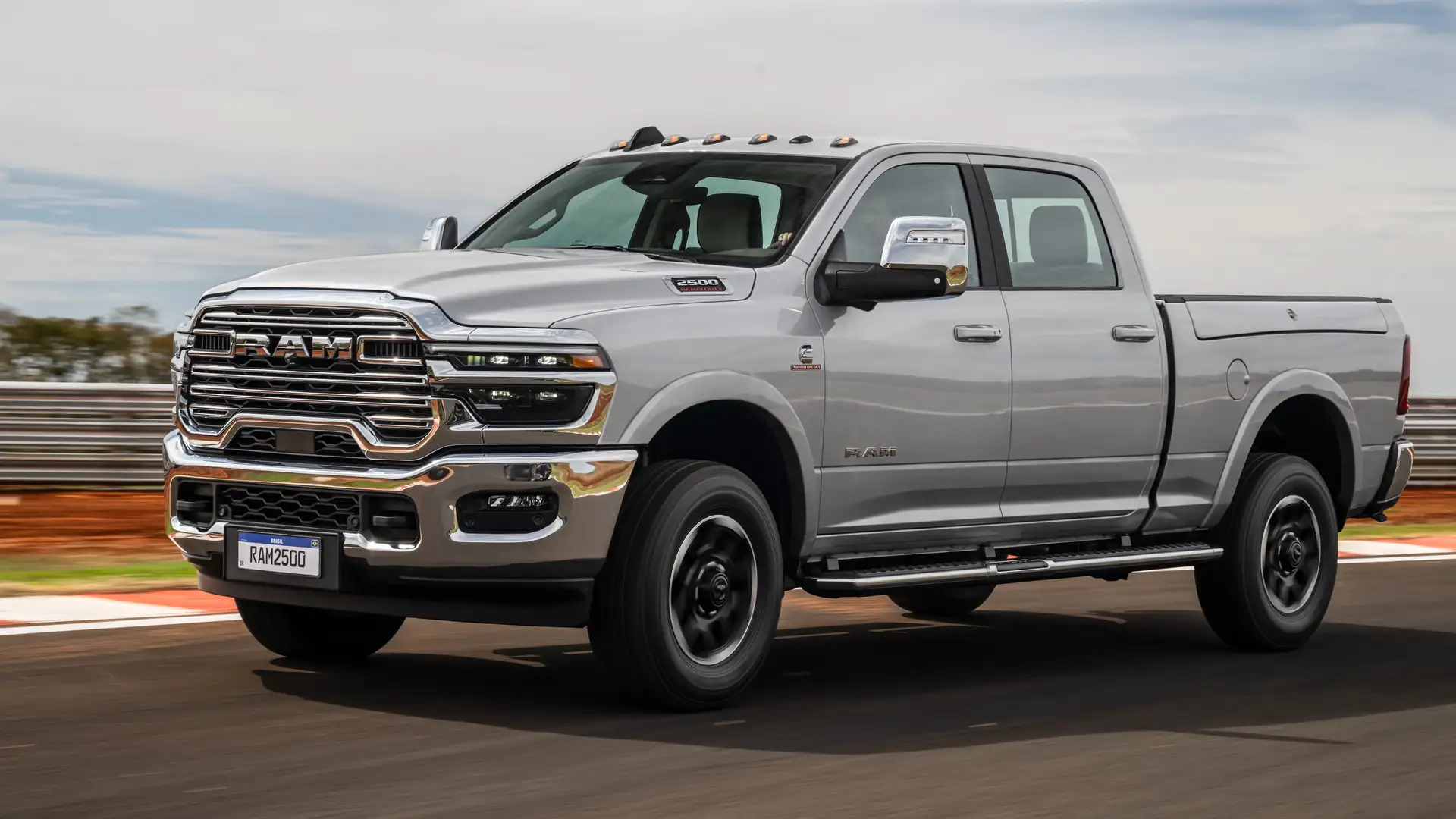
Crew cab vs quad cab is a Ram-specific question with a clean answer: both configurations have four doors and can seat five people, but the crew cab gives you significantly more back-seat legroom while the quad cab gives you access to the standard bed at a lower price. The crew cab vs quad cab decision is essentially a trade between rear-passenger comfort and cargo capacity, and knowing which side matters more to you decides the truck.
Table of Contents
Crew cab vs quad cab: the short answer
Crew cab vs quad cab is the version of this trade-off you get inside Ram (formerly Dodge) 1500 trucks. Both configurations have four full-size, front-hinged doors and a bench or captain’s-chair back row. The crew cab has a longer cabin, with roughly 45 inches of rear legroom in the current Ram 1500, comfortable for adults on any trip. The quad cab has a shorter cabin, roughly 35 inches of rear legroom, workable for shorter adults or kids but tight for anyone tall on a long drive.
That ten-inch legroom gap is the whole crew cab vs quad cab story in one number. Everything else you’ll notice – the price, the available bed lengths, the fuel economy, the resale value – flows from that single cabin length choice.
What is a crew cab?
A crew cab (Ram’s name for its largest 1500 cabin option; the HD trucks get the even bigger Mega Cab) sits at the roomy end of the crew cab vs quad cab spectrum. Four full-size doors, all approximately equal in size, front-hinged, opening independently. Rear legroom lands at about 45 inches, which is roughly what you’d get in a mid-size sedan. Rear passengers step in and out like they would in any four-door car, with no coordination between rows required.
The catch is bed length and overall truck length. Ram’s crew cab is available with either a 5’7″ (67-inch) short bed or a 6’4″ (77-inch) standard bed. The 5’7″ bed keeps the overall truck shorter and easier to park; the 6’4″ bed adds more than half a foot of cargo length but stretches the truck past 232 inches overall. If you park in tight garages or maneuver in dense cities, the short bed usually wins by default; if you regularly carry long cargo, the 6’4″ is worth the extra length.
What is a quad cab?
On the other side of the crew cab vs quad cab call, a quad cab is Ram’s specific name for its shorter 1500 cabin. It has four full-size front-hinged doors, but the cabin itself is shorter than the crew cab. The rear doors are noticeably smaller than the front doors, and behind them the back seat gives you about 35 inches of legroom – roughly ten inches less than the crew cab. That’s the space difference in a single number.
The shorter cabin trades away rear-passenger space for two things: bed length and price. Ram’s quad cab is offered only with the 6’4″ (77-inch) standard bed, which handles most cargo tasks including 4×8 sheet goods with the tailgate up. And the quad cab typically runs $1,500 to $2,500 less than the equivalent crew cab on the same trim, engine, and drivetrain. Wikipedia’s overview of the pickup truck covers how each manufacturer names its cab configurations, which is useful if you’re cross-shopping brands.
Crew cab vs quad cab: 5 key differences
When you compare crew cab vs quad cab in the showroom, five specific things do most of the work. Here they are side by side:
- Rear legroom. Crew cab: roughly 45 inches, comfortable for adult passengers on long trips. Quad cab: roughly 35 inches, fine for kids or short-hop adults, tight for tall passengers.
- Available bed lengths. Crew cab: 5’7″ or 6’4″ bed. Quad cab: 6’4″ bed only. If you want the shortest overall truck length with a full back seat, you cannot get there with a quad cab.
- Price. Quad cab configurations typically run $1,500 to $2,500 less than the equivalent crew cab on the same trim and engine. Over the truck’s life that gap partially closes because crew cabs hold resale value better.
- Rear door size. Both cabs have four full-size front-hinged doors, but the quad cab’s rear doors are meaningfully smaller. Installing car seats or loading bulky items in the back row is easier and less awkward in a crew cab.
- Fuel economy and payload. Real-world MPG is nearly identical, since the crew cab is only 50 to 100 pounds heavier. Maximum tow rating is the same at the same engine and axle ratio. Payload capacity is roughly equal.
Which should you buy?
The crew cab vs quad cab decision usually comes down to who sits in the back row and how often. Some concrete rules that resolve most cases:
- Kids in car seats: Crew cab, usually. The extra ten inches of legroom keeps a rear-facing car seat from pushing into the front seatback, which matters especially when the parents up front are long-legged.
- Regular adult passengers: Crew cab. Adults notice a 35-inch back row within the first ten minutes and they don’t stop noticing it.
- Occasional back-seat use only: Quad cab. If the back row sits empty most weeks, the $2,000 you would spend on a crew cab is better applied to a trim upgrade, better tires, or a bedliner.
- Serious cargo work: Quad cab is a clean pick because it always pairs with the 6’4″ bed. If you routinely haul plywood, ladders, or bulky work materials, the standard bed is worth the tighter cabin.
- Family plus work truck: Crew cab with the 6’4″ bed. You get both, at the cost of a very long overall truck and a higher sticker price.
If you are already cross-shopping Ram against Ford, the crew cab vs super cab comparison covers Ford’s equivalent SuperCab, which uses a slightly different door style (two main doors plus two rear-hinged half-doors) than Ram’s quad cab. The two are similar in spirit but not identical in execution, and the door layout changes how easily passengers get in and out.
Crew cab vs quad cab: bed length, payload, and fuel economy
The crew cab vs quad cab difference is not just about the cabin. Three practical numbers move with the cab choice, though most of them move less than you would expect.
Bed length. This is where the crew cab vs quad cab math gets interesting. The Ram quad cab only comes with the 6’4″ bed. The crew cab is offered with both a 5’7″ bed (shorter overall truck) and a 6’4″ bed (longer overall truck). If you want a long bed AND a full-size back seat, both cabs can get you there, but the crew cab with the 6’4″ bed is the only combo that also gives you full back-seat legroom. If you want the shortest overall truck, the crew cab 5’7″ is only a few inches longer than the quad cab 6’4″ but with a much bigger back seat.
Towing and payload. Maximum tow rating is identical between the two cabs at the same engine, axle ratio, and drivetrain. Payload capacity moves by 50 to 100 pounds in favor of the quad cab (because the cab is slightly lighter), but this rarely matters for private buyers hauling anything under a ton in the bed.
Fuel economy. Both cabs post nearly identical EPA numbers. The crew cab is heavier, but the difference is small enough that it does not move the official MPG figures more than 1 mpg in most engine combinations. Over 15,000 miles a year, that’s a modest fuel-cost gap, not a defining factor.
Frequently asked questions
Is a Ram quad cab the same as an extended cab?
Similar in spirit, not identical in execution. A quad cab is Ram’s name for its shorter 1500 cabin, and it has four full-size front-hinged doors (though the rear doors are smaller than the fronts). A traditional extended cab like Ford’s SuperCab has two main doors plus two rear-hinged half-doors instead. The crew cab vs quad cab comparison lands in a similar place on the trade-off spectrum as crew cab vs extended cab, but the door layout is meaningfully different in daily use.
Can you get a quad cab with a short bed?
No, not from Ram. The current 1500 quad cab only pairs with the 6’4″ (77-inch) standard bed. If you want a short bed on a Ram, you have to go crew cab with the 5’7″ bed, or step down to a regular cab. This is one factor that pushes some buyers to the crew cab side of the crew cab vs quad cab decision even when they don’t need the extra rear legroom – they want the shorter overall truck for parking and maneuvering.
Which cab holds its resale value better?
Crew cab, by 2 to 4 percentage points at three to five years old. Family-truck demand keeps growing, and the crew cab is the preferred family configuration. Quad cabs still sell well on the used market to buyers who prioritize bed length or a lower entry price, but the pool is smaller. If you plan to trade in every few years, the up-front price gap on the crew cab vs quad cab decision partially closes when you sell.
The bottom line
The crew cab vs quad cab decision is really about back-seat priorities and bed length. A crew cab gives you a proper four-door family truck with 45 inches of rear legroom, at a higher price and (if you want the short bed) a shorter overall truck. A quad cab saves you money, always pairs with the 6’4″ bed, and costs you about ten inches of rear legroom your passengers will notice. Match the choice to who rides back there. Remember the one-line version – roomy back seat or longer bed and lower price – and the rest of the crew cab vs quad cab call sorts itself out.

