

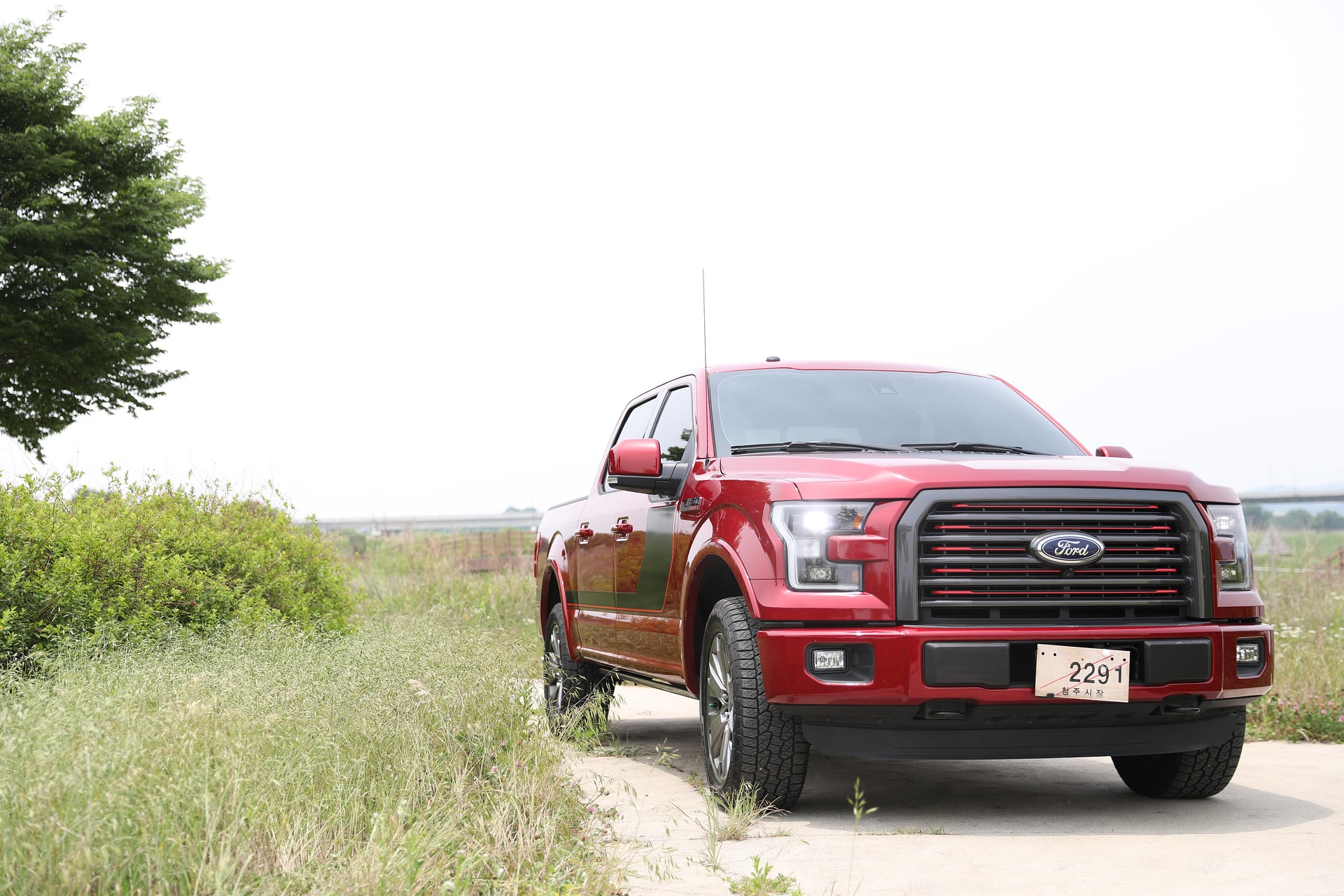
Crew cab vs super cab is the pickup truck version of picking a sedan over a hatchback: same core vehicle, different back-seat priorities. A crew cab has four full-size doors and a real back seat you can put adults in. A super cab has two main doors plus smaller rear-hinged half-doors and a much tighter back row. The crew cab vs super cab call really comes down to how often you actually carry people back there and how much bed length you’re willing to trade for cabin space.
Table of Contents
Crew cab vs super cab: the short answer
Crew cab vs super cab is really a two-row-versus-jump-seat comparison. The crew cab (Ford calls its version SuperCrew, Ram calls it Crew Cab or Mega Cab, Chevy and GMC just call it Crew Cab) has four full-size, front-hinged doors and a back seat with real legroom, usually 40 to 44 inches. The super cab (this is Ford’s name; Chevy calls it Double Cab, Toyota calls it Access Cab, Ram calls it Quad Cab) has two full front doors plus two smaller rear-hinged half-doors. Behind those half-doors sits a back seat with far less legroom, useful for kids, small adults on short trips, or gear.
What is a crew cab?
A crew cab sits at the roomy end of the crew cab vs super cab spectrum. Four independent doors open exactly the way you’d expect on a sedan: the two rear doors are full-sized and front-hinged, so back-seat passengers climb in and out on their own without anyone in the front row having to move. Legroom in the back typically runs 40 to 44 inches depending on the truck, which is comparable to a mid-size sedan.
The catch: crew cabs earn that extra passenger space by lengthening the cab, which in most trucks means the bed gets shorter. A Ford F-150 SuperCrew with a standard 5.5-foot bed is a very different truck from an F-150 SuperCab with a 6.5-foot bed, even on the same wheelbase. Crew cabs also cost more (usually $2,000 to $4,000 above the equivalent super cab on the same trim), weigh 100 to 200 pounds more, and use marginally more fuel over the truck’s life.
What is a super cab?
On the other side of the crew cab vs super cab call, a super cab (again, Ford’s specific name; other manufacturers call the same idea an extended cab, double cab, quad cab, or access cab) uses two main doors and two smaller rear-hinged half-doors to open up a compact back seat area. The half-doors only open when the front doors are already open, so back-seat access is a coordinated two-step operation, not a solo effort.
Behind those half-doors, the back row is smaller in every dimension. Legroom typically runs 33 to 36 inches, roughly 8 to 10 inches less than a crew cab. Seatbacks are more upright, storage under the seats is often better, and long trips get uncomfortable for adults quickly. On the flip side, the shorter cab means most super cabs pair with a longer bed at the same overall truck length, and the sticker price is meaningfully lower. Wikipedia’s overview of the pickup truck covers how each manufacturer names its cab configurations if you’re comparing options across brands.
Crew cab vs super cab: 5 key differences
When you compare crew cab vs super cab in the showroom, five specific things do most of the work. Here they are side by side:
- Back-door style and access. Crew cab has four full-size, front-hinged doors that open independently. Super cab has two main doors plus two smaller rear-hinged half-doors that only open with the front doors open first.
- Back-seat legroom. Crew cab runs 40 to 44 inches, comfortable for adults on long trips. Super cab runs 33 to 36 inches, fine for kids or short-hop adults and tight for anything longer.
- Bed length trade-off. For the same overall truck length, a super cab usually gets a longer bed (6.5 or even 8 feet). A crew cab typically gets a shorter one (5.5 or 6.5 feet). If you carry sheet goods, ladders, or bulk cargo, the bed length matters more than it sounds.
- Price. Crew cab configurations run $2,000 to $4,000 higher than the equivalent super cab on the same trim. The resale gap follows the same shape: crew cabs hold their value slightly better because family-truck demand keeps growing.
- Fuel economy and payload. Super cab is 100 to 200 pounds lighter, so fuel economy is typically 1 to 2 MPG better. Payload capacity is often slightly higher for the same weight reason. Maximum tow rating is usually identical at the same engine and trim.
Which should you buy?
The crew cab vs super cab decision usually comes down to who sits in the back and how often. Some concrete rules that resolve most cases:
- Kids in car seats: Crew cab, always. Car seat installation in a super cab back row is technically possible but frustrating – the tight legroom pushes the seats into the front row, and half-door access makes buckling kids in a physical workout.
- Regular adult passengers: Crew cab. Anything more than a short trip with adults in the back turns a super cab into a knee-in-lumbar test.
- Occasional passengers only: Super cab does the job. Back-seat use once or twice a month, for a kid or a friend on the way to a job site, does not justify the price gap.
- Serious cargo hauling: Super cab, if the bed length trade matters. A 6.5-foot bed handles 4×8 sheet goods with the tailgate up, which no short-bed crew cab can match.
- Work truck or fleet use: Super cab is the traditional pick for fieldwork, contractors, and utility fleets. Crew cab is winning market share here too as families increasingly buy trucks as primary vehicles – but for pure work duty, the super cab still costs less and hauls more.
Match the crew cab vs super cab choice to how you actually use the truck, not how you imagine you might use it. Buyers who order a crew cab “in case we need it” often find the back row sits empty for years while they wish for the longer bed. Buyers who go super cab and then start a family often end up trading in early.
Crew cab vs super cab: cargo bed, towing, and fuel economy
The crew cab vs super cab difference is not just about the cabin. The whole truck geometry shifts around the cab choice, and three practical numbers tend to move with it.
Bed length. For a given wheelbase and total truck length, a super cab lets the bed grow because the cab is shorter. A crew cab eats those inches. If you regularly haul plywood, ladders, motorcycles, or bulk gear, the extra foot or so of bed matters. If you rarely fill the bed, it does not.
Towing. In most trucks, maximum towing capacity is identical between the two cabs at the same trim and engine. The tongue weight and payload numbers change slightly because of the cab weight difference, but the maximum tow rating usually stays the same. That is why the crew cab vs super cab towing gap barely matters for shoppers picking on cab layout alone.
Fuel economy. A super cab typically gets 1 to 2 MPG more than the equivalent crew cab. Real, if not enormous. Multiplied across a truck’s lifetime and 15,000 miles a year, that turns into real money if you drive a lot. If you use the truck mostly for weekends, it is noise.
Frequently asked questions
Is a super cab the same as an extended cab?
Yes, for practical purposes. “Super cab” is Ford’s brand name for what other manufacturers call an extended cab, double cab, quad cab, or access cab. The layout – two main doors, two rear-hinged half-doors, tight back seat, longer available bed – is the same across brands. The crew cab vs super cab comparison in this article maps 1:1 onto crew cab vs extended cab if you are shopping outside Ford.
Do super cab rear doors open by themselves?
No. The rear-hinged half-doors on a super cab can only open once the front door is open. There is no exterior handle in the traditional sense; the latch is inside the door jamb. This is exactly why the crew cab vs super cab decision matters for anyone who carries passengers often – back-seat access on a super cab is a coordinated two-door operation, not a solo effort.
Which cab configuration holds its resale value better?
Crew cab, usually by 3 to 5 percentage points at three to five years old. Family truck demand has grown steadily, and crew cabs slot into that market cleanly. Super cabs still hold up well in the work-truck resale channel, but the pool of buyers is smaller. If you plan to trade in every few years, the price gap on the crew cab vs super cab decision partially closes on the back end when you sell.
The bottom line
The crew cab vs super cab decision is really about back-seat priorities. A crew cab gives you a real four-door truck with genuine passenger space at a higher price and a shorter bed. A super cab gives you a smaller back seat, a longer bed, a lower price, and a slight fuel economy edge. Match the choice to who rides back there. Remember the one-line version – full doors and legroom, or half-doors and less – and the rest of the crew cab vs super cab call sorts itself out.

