

The difference between hockey skates vs figure skates is fundamental to understanding ice skating equipment, yet many people assume all ice skates are essentially the same. The difference between hockey skates vs figure skates extends far beyond aesthetics – it reflects completely different engineering for completely different sports. Understanding the difference between hockey skates vs figure skates helps you choose the right equipment for your skating goals and skill level. In this guide, we’ll explain the key design differences and show you how the difference between hockey skates vs figure skates affects performance, cost, and suitability for your needs.
Table of Contents
What Are Hockey Skates?
Hockey skates are engineered for speed, agility, and the physical demands of competitive hockey. The blade is relatively short and highly curved, with a deep hollow underneath for responsive edge control and quick directional changes. Hockey skate blades are typically riveted directly onto the boot’s base, creating a rigid connection that maximizes power transfer from the skater’s legs to the ice. The boot is stiff and heavily padded, especially around the ankle and heel, to provide maximum support and protect against impacts from pucks and sticks.
The stiff construction of hockey skates prioritizes ankle stability and injury protection over flexibility. The lack of flexibility in hockey skates helps players transfer muscular power directly to their feet, enabling faster acceleration and tighter turns. Hockey skates typically cost between $100-$350 for recreational models, making them more affordable than high-end figure skates. The difference between hockey skates vs figure skates in boot construction means hockey players sacrifice some range of motion in exchange for speed and protection.
What Are Figure Skates?
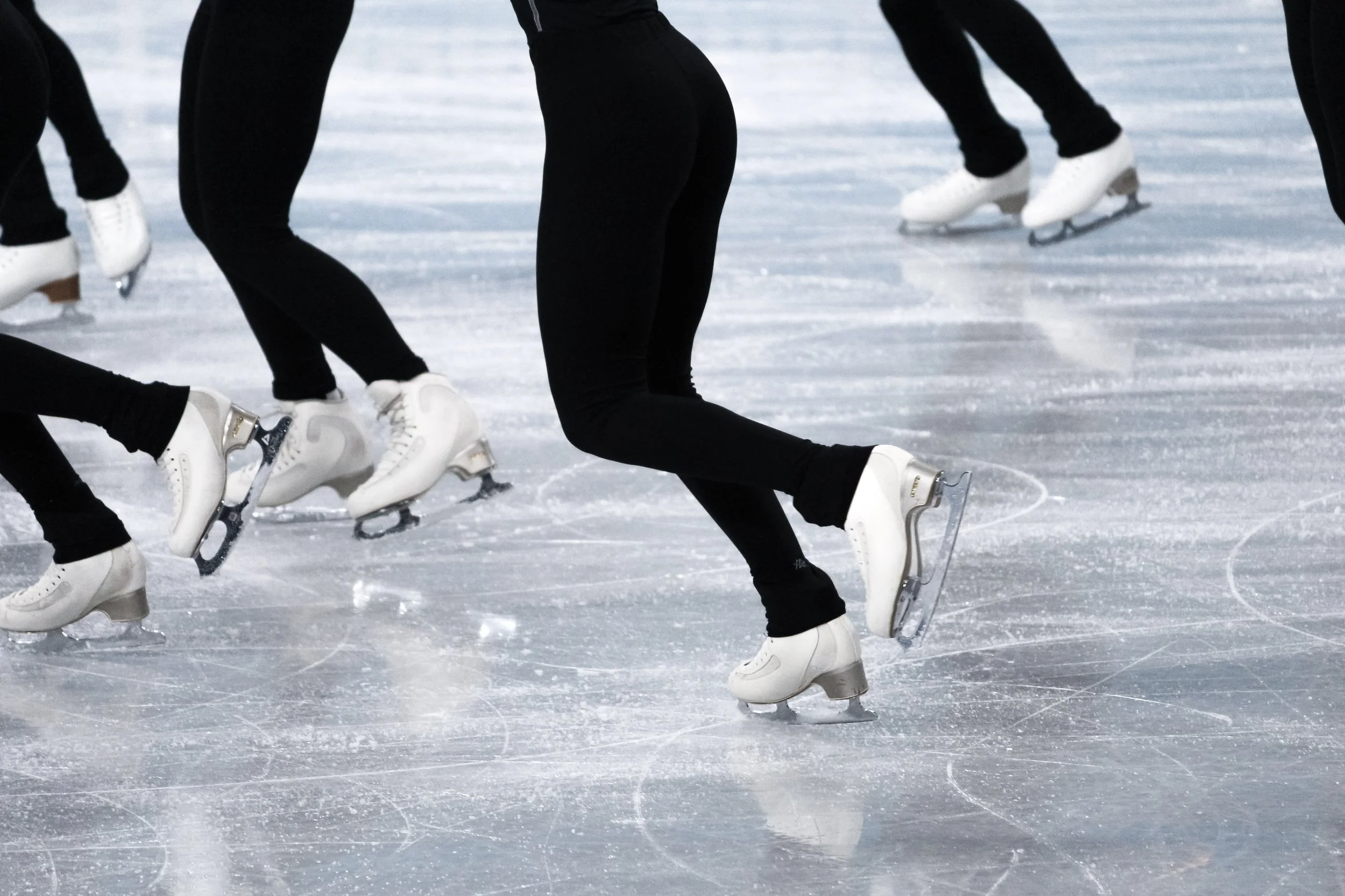
Figure skates are designed for artistry, balance, and the technical demands of jumps, spins, and footwork. The blade is longer and flatter than a hockey blade, typically made of stainless steel or carbon steel, approximately 3/16 inch (4 mm) thick. The most distinctive feature is the toe pick – a serrated projection at the tip of the blade that digs into the ice to help launch jumps and provide grip during pivots. Figure skate blades are separately mounted onto the boot, allowing them to be replaced independently when they wear down. The hollow-ground edges are crucial for edge control and precision movement.
The boot is constructed from flexible leather with responsive padding that balances support with freedom of movement. This design allows the skater’s feet and ankles to articulate through the full range of motion required for complex skating techniques. The difference between hockey skates vs figure skates becomes apparent in how they respond to the skater’s movement – figure skates provide feedback and control, while hockey skates prioritize protection and power. Figure skates typically cost $150-$500 or more for quality models, making them a more significant investment than recreational hockey skates. According to NBC Olympics coverage of figure skating equipment, professional skates can exceed $1,000.
Hockey Skates vs Figure Skates Comparison
| Feature | Hockey Skates | Figure Skates |
| Blade Length | Shorter (compact) | Longer (3-4 inches longer) |
| Blade Curve | Highly curved (rocker) | Flatter with gentle curve |
| Blade Hollow | Deep hollow for edge grip | Shallow hollow for edge precision |
| Toe Pick | None | Serrated projection (critical feature) |
| Blade Thickness | Varies (typically thicker) | 3/16 inch (4 mm) |
| Blade Attachment | Riveted to boot base | Separately mounted (replaceable) |
| Boot Material | Stiff composite material | Flexible leather with padding |
| Ankle Support | Maximum – heavily reinforced | Moderate – responsive padding |
| Flexibility | Rigid (minimal ankle flex) | Flexible (full articulation allowed) |
| Primary Use | Speed, agility, power skating | Jumps, spins, artistic expression |
| Typical Cost Range | $100-$350 (recreational) | $150-$500+ (quality models) |
| Sharpening Interval | Every 20-25 hours of skating | Every 20-30 hours of skating |
| Best For | Hockey, speed skating, recreational skating | Figure skating, jumps, advanced skating |
Blade and Edge Differences
The difference between hockey skates vs figure skates is most visible in the blade design. Hockey skate blades have a pronounced curve called a rocker, which makes them highly responsive for quick turns and transitions. The deep hollow underneath creates two sharp edges that bite into the ice, allowing fast edge changes. Figure skate blades, by contrast, are longer and straighter, with a shallower hollow that emphasizes precision and control. The toe pick on figure skates is essential – it’s not found on hockey blades because hockey players don’t need it, and having one would interfere with hockey-specific movements.
The difference between hockey skates vs figure skates in blade maintenance is minimal – both require sharpening every 20-30 hours of skating. However, figure skate blades can be replaced when they wear out, whereas hockey skate blades are riveted permanently to the boot. This difference between hockey skates vs figure skates affects long-term cost: figure skates can be economically maintained by replacing just the blade, while hockey skates require blade regrinding or eventually replacing the entire skate.
Boot Construction and Support
The difference between hockey skates vs figure skates in boot construction reflects their different purposes. Hockey skates prioritize maximum ankle stability and protection from injury. The rigid boot prevents excessive ankle motion, which could lead to sprains or breaks when players collide with opponents or the boards. The padding is thick and reinforced, especially around the ankle, heel, and toe box. The difference between hockey skates vs figure skates means hockey skates feel restrictive to someone accustomed to figure skates, but this restriction is deliberate – it prevents ankle roll and protects against impacts.
Figure skates emphasize responsive flexibility to allow the full range of motion required for technical skating. The leather boot is softer and more pliable, with padding that responds to the skater’s movements rather than resisting them. The difference between hockey skates vs figure skates in flexibility is dramatic – figure skaters need to articulate their ankles through multiple planes of motion for spins, jumps, and footwork patterns. While figure skate boots do provide ankle support, it’s a responsive support that moves with the skater rather than an immobilizing support like hockey skates offer.
Frequently Asked Questions
Can I use hockey skates for figure skating?
Not effectively. The difference between hockey skates vs figure skates makes them unsuitable for each other’s disciplines. Hockey skates lack the toe pick essential for launching jumps, and their blade curve is wrong for figure skating edges. The rigid boot prevents the ankle articulation needed for spins and footwork. You could technically skate in circles in hockey skates, but you couldn’t perform the technical elements of figure skating. The difference between hockey skates vs figure skates is too significant for crossover use in competitive settings.
Can I use figure skates for hockey?
Not safely. The difference between hockey skates vs figure skates means figure skates provide insufficient ankle support and protection for hockey’s contact and collisions. The toe pick on figure skates would catch the ice during hockey movements, potentially causing trips or falls. The flexible boot doesn’t provide the rigid platform needed for hockey’s explosive movements. The difference between hockey skates vs figure skates is fundamental to equipment safety, so recreational players should not attempt hockey in figure skates.
Choosing Your Skates
The difference between hockey skates vs figure skates should drive your choice entirely based on your intended activity. If you’re joining a hockey league or want to play recreational hockey, hockey skates are essential – they’re engineered for that sport and provide necessary protection. If you want to learn figure skating or artistic skating, you must choose figure skates – the toe pick and blade design are non-negotiable for technical progression. The difference between hockey skates vs figure skates isn’t a matter of preference; it’s a matter of choosing the right tool for the job.
Budget is a secondary consideration. Hockey skates are generally less expensive to start with, while quality figure skates require more investment. However, the difference between hockey skates vs figure skates in cost should not drive your choice if you know which discipline you want to pursue. Purchasing the wrong type of skate to save money results in wasted spending when you eventually realize you need the correct type. Choose your skates based on your skating goals, then work within your budget to find the best quality you can afford. The difference between hockey skates vs figure skates is too significant for one to substitute for the other.

