

Understanding the difference between crappie vs bluegill helps anglers target the right panfish and use effective fishing techniques for each species. While both crappie vs bluegill are popular freshwater fish found in the same lakes and ponds, they differ significantly in size, habitat preference, behavior, and feeding patterns. Knowing how to distinguish crappie vs bluegill gives you a major advantage on the water, whether you’re a beginning angler or an experienced fisherman seeking consistent catches.
Table of Contents
What is a Crappie?
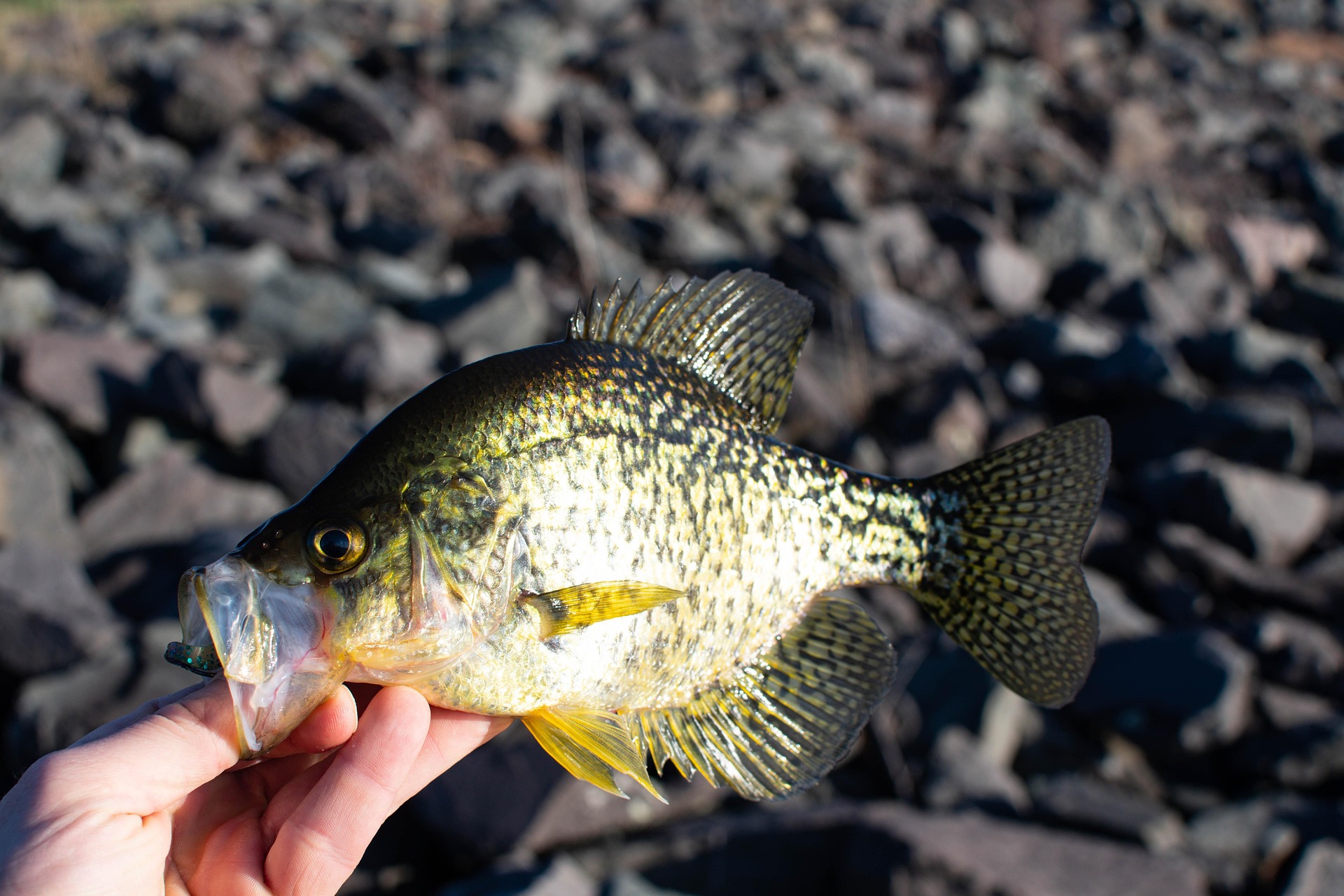
Crappie are medium-sized panfish that typically measure 12-15 inches when fully grown and often exceed 2 pounds, with trophy crappie weighing over a pound becoming increasingly common in productive lakes. The crappie body is elongated and streamlined, designed for moving smoothly through deeper waters where the fish prefer to hunt. Crappie have a much larger mouth than bluegill, allowing them to consume baitfish as their primary food source. There are two crappie species – white crappie and black crappie – though both share similar characteristics and habitat preferences. According to Take Me Fishing’s beginner’s guide to crappie, crappie are most active during dawn and dusk, making early morning and evening prime fishing times.
Crappie prefer deeper water near submerged structures where they hunt for minnows. These fish hide around fallen trees, brush piles, weed edges, drop-offs, old piers, and flooded weeds. The deeper water preference means crappie fishing often requires vertical jigging, spider rigging, or slow trolling techniques. Crappie remain active throughout winter and spawn during spring, making them year-round fishing opportunities in most regions.
What is a Bluegill?
Bluegill are smaller panfish, typically averaging 8-10 inches in length and rarely reaching 1 pound even when fully mature. The bluegill body is compact and disk-like in shape, perfectly suited for maneuvering in shallow water and around thick vegetation where the species spends most of its time. Bluegill have a smaller mouth than crappie, which limits their diet primarily to insects, small aquatic invertebrates, and small food items rather than substantial baitfish. These fish are aggressive feeders that remain active throughout the day, making them ideal for beginner anglers and children learning to fish.
Bluegill are found in freshwater across most of the United States and prefer shallower areas with abundant cover such as weed beds, lily pads, and submerged vegetation. The disk-like body design allows quick bursts of acceleration to dart between plants and escape predators. Bluegill are particularly easy to catch during the spring and summer spawning season when they’re shallow in 2-6 feet of water and aggressively protecting nests. Simple fishing techniques like bobber fishing, casting under docks, and fly fishing work excellently for bluegill.
Crappie vs Bluegill: Key Differences
| Feature | Crappie | Bluegill |
|---|---|---|
| Average Size | 12-15 inches, often over 2 pounds | 8-10 inches, rarely over 1 pound |
| Body Shape | Elongated and streamlined | Compact and disk-like |
| Mouth Size | Much larger mouth | Smaller mouth |
| Primary Diet | Small baitfish (minnows) | Insects and small invertebrates |
| Water Preference | Deeper water (10-30+ feet) | Shallow water (2-6 feet) |
| Habitat Structure | Brush piles, drop-offs, weed edges | Vegetation, weeds, lily pads |
| Activity Pattern | Active dawn and dusk; less active midday | Aggressive all day long |
| Fishing Technique | Vertical jigging, spider rigging, trolling | Bobber fishing, casting, fly fishing |
| Best Bait | Live minnows, small jigs | Worms, crickets, grasshoppers |
| Spawning Season | Spring (March – May) | Spring – Summer (May – July) |
Habitat and Behavior Differences
The habitat preference is the clearest way to distinguish crappie vs bluegill on the water. When comparing crappie vs bluegill, remember that crappie hang in deeper structure while bluegill stay shallow. Crappie’s streamlined body is built for open water movement, while bluegill’s disk shape excels at weaving through dense vegetation. This difference means you’ll locate crappie near drop-offs, channel ledges, and submerged timber in 15-30 feet of water, whereas bluegill stay near shore in shallow weed beds and around dock pilings.
Behavior timing differs significantly when evaluating crappie vs bluegill. Crappie are crepuscular feeders, meaning they’re most active at dawn and dusk when light levels are low. Bluegill feed aggressively throughout the day regardless of sunlight, making them perfect for midday fishing trips. This behavioral difference between crappie vs bluegill affects when you’ll have the best success – early morning for crappie, anytime for bluegill.
Fishing Techniques and Equipment
The choice between crappie vs bluegill affects your entire fishing approach. Crappie fishing requires locating deep structure and using vertical presentations. Spider rigging (fishing multiple rods vertically over brush piles) is a popular crappie technique, as is slow trolling and vertical jigging with small leadhead jigs tipped with minnows. Crappie respond to small jigs (1/32 to 1/8 ounce) and prefer subtle presentations.
Bluegill fishing is more straightforward and beginner-friendly. Simple bobber setups with live worms or crickets under the dock work excellently. A light spinning rod with 4-6 pound test monofilament line and small hooks (size 8) is ideal for bluegill. Fly fishing is also effective for bluegill, especially during spawning season. The differences in technique between crappie vs bluegill stem directly from their different habitat preferences and behavior patterns.
Frequently Asked Questions
Are crappie and bluegill the same fish?
No. While both are panfish found in freshwater and often caught together, crappie and bluegill are distinct species with different characteristics. The primary differences are size, habitat preference, and diet – crappie are larger, prefer deeper water, and eat minnows, while bluegill are smaller, stay shallow, and feed on insects.
Which is easier to catch – crappie or bluegill?
Yes, absolutely. Crappie and bluegill coexist in most freshwater lakes and ponds across North America. They occupy different ecological niches – crappie in deep structure, bluegill in shallow vegetation – so both species can thrive in the same body of water without directly competing.
Bluegill are generally easier to catch, especially for beginners. They’re less selective, stay in accessible shallow water, and feed aggressively throughout the day. Crappie require more specific techniques, deeper water fishing, and better timing (dawn and dusk) to catch consistently.Yes, absolutely. Crappie and bluegill coexist in most freshwater lakes and ponds across North America. They occupy different ecological niches – crappie in deep structure, bluegill in shallow vegetation – so both species can thrive in the same body of water without directly competing.
Choosing Your Panfish Target
Your choice between crappie vs bluegill depends on your fishing style, available time, and fishing goals. Choose bluegill if you want guaranteed action, fish from shore or docks, prefer simple tackle, or are introducing beginners to fishing. Bluegill’s aggressiveness and shallow water habitat make them accessible and fun for casual anglers. Choose crappie if you have a boat, enjoy deeper water fishing, want larger fish to take home, and don’t mind fishing during specific times of day. Comparing crappie vs bluegill, serious panfish anglers often pursue both species in the same outing – bluegill in the morning from shore, then crappie in deeper water at dawn.
The best approach is to understand the differences between crappie vs bluegill and match your technique to the species you’re targeting. Both panfish are rewarding catches that provide excellent food and fun fishing opportunities. Master the distinction between crappie vs bluegill and you’ll catch more fish regardless of which species you target.

