

Choosing between lacquer or polyurethane for a wood finishing project is a critical decision that impacts durability, appearance, ease of application, and long-term maintenance requirements. Lacquer or polyurethane each offer distinct advantages and disadvantages depending on your project type, intended use, and environmental conditions. Understanding how lacquer or polyurethane differ in performance, application, and suitability helps you select the right finish for furniture, floors, cabinetry, and other woodwork projects.
Table of Contents
What Is Lacquer?
Lacquer is a fast-drying wood finish made from a resinous compound typically dissolved in a volatile solvent. Traditional lacquer consists of shellac (a natural resin) mixed with alcohol, though modern lacquers often use nitrocellulose or acrylic bases. When applied to wood, lacquer dries quickly – typically in 15 to 30 minutes, with some formulations drying to the touch in just 5 minutes. The lacquer creates a thin, hard protective film on the wood surface, producing a glossy, smooth finish that is highly prized for fine furniture and decorative pieces.
Lacquer is applied in multiple thin coats, with each successive coat melting slightly into the previous coat (a process called bonding or coalescing) rather than sitting on top like separate layers. This layering technique means you do not need to sand between lacquer coats, making application faster than polyurethane. However, lacquer has some significant limitations. It is less durable against water, alcohol, and heat, with moisture rings forming easily and alcohol spills damaging the finish quickly.
What Is Polyurethane?
Polyurethane is a synthetic plastic film applied as a liquid coating that cures through chemical reaction rather than simple solvent evaporation. Polyurethane exists in two main types: water-based (acrylic polyurethane) and oil-based (polyester or urethane). Polyurethane varnish forms a harder, tougher, and more waterproof film compared to simple oil or shellac varnishes, providing superior protection for surfaces that experience regular wear.
Polyurethane dries more slowly than lacquer – water-based polyurethane may take several hours, while oil-based polyurethane can take 8 to 24 hours for full cure. The slow drying allows the finish to level and self-smooth, creating a professional appearance. Unlike lacquer, polyurethane must be sanded between coats to achieve proper adhesion between layers. The result is a thicker, more durable protective coating that withstands water, alcohol, mild chemicals, and daily wear.
Durability and Protection Comparison
When comparing lacquer or polyurethane durability, polyurethane wins decisively for high-use surfaces. Polyurethane forms a tough plastic film highly resistant to scratches, dents, moisture, and mild chemicals. A polyurethane finish on tabletops, bars, and kitchen cabinets can withstand years of daily use with minimal maintenance. Lacquer or polyurethane applied to the same high-use surfaces would show damage much faster – the lacquer finish scratches easily and water spills cause visible damage quickly.
Lacquer’s thinness, which allows for quick application, is also its weakness. The thin film is susceptible to damage from liquids, heat rings from hot beverages, and scratches from normal handling. Moisture rings form easily when glasses or vases sit directly on a lacquer finish. Alcohol spills (including wine and hard liquor) immediately damage lacquer. This lacquer or polyurethane difference means lacquer is best reserved for decorative pieces, jewelry boxes, figurines, and other items that will not be heavily used or exposed to moisture.
Application Process and Ease
The lacquer or polyurethane application process differs significantly. Lacquer is sprayed onto the wood surface using a spray gun, which deposits a very thin coat quickly. Multiple thin coats are built up, with each coat applied once the previous coat dries (typically 15 to 30 minutes). Since lacquer coats bond to each other, minimal sanding is required between coats – just enough to dull the gloss slightly so the next coat adheres. This efficiency makes lacquer faster for experienced finishers who have spray equipment available.
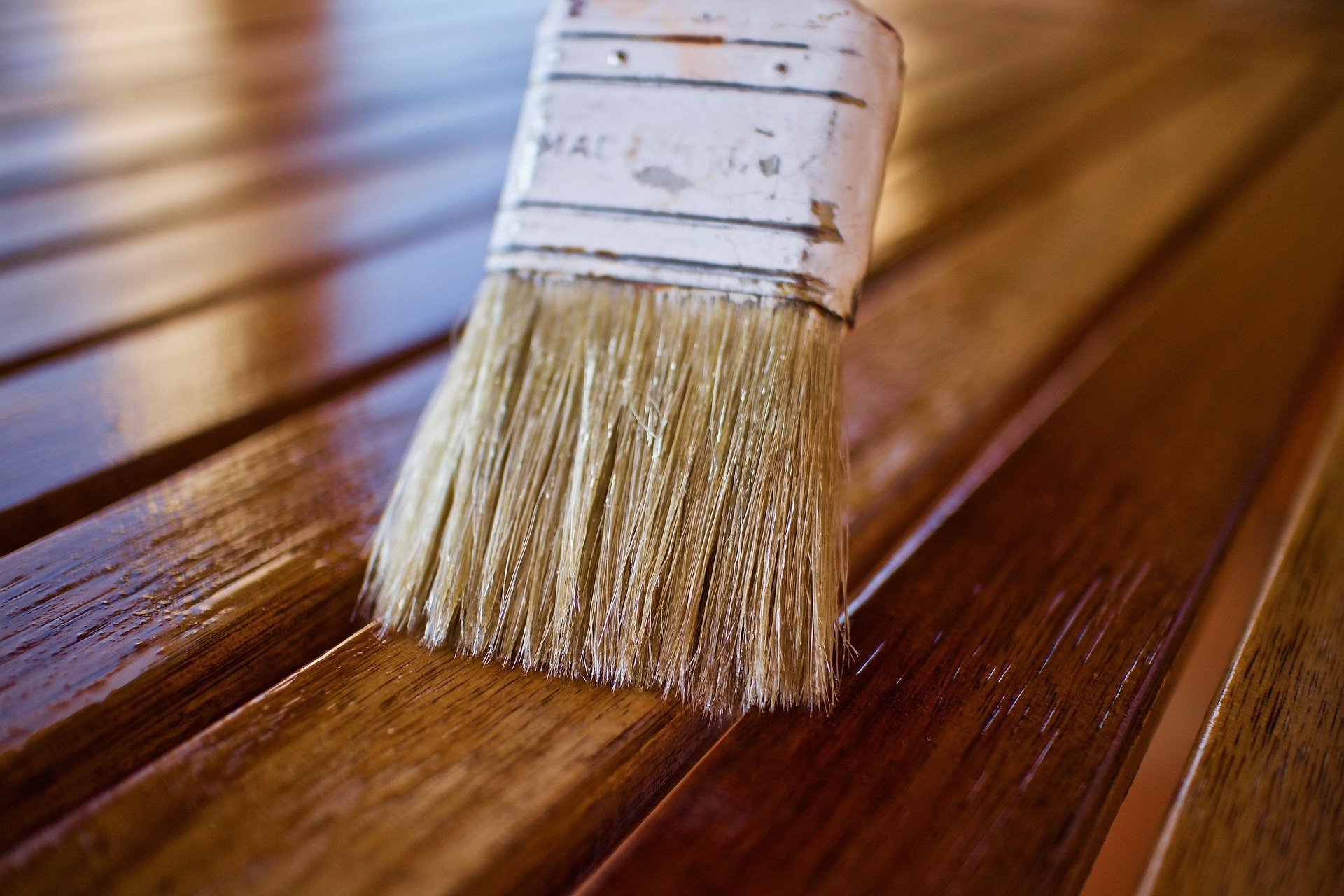
Polyurethane is typically applied with a brush or foam applicator (though spray application is possible). After each coat dries completely (4 to 8 hours for water-based, 16 to 24 for oil-based), the surface must be sanded with fine-grit sandpaper to remove dust particles and prepare for the next coat. This sanding requirement makes polyurethane application more time-consuming and labor-intensive. However, the result is a more durable finish, and the sanding helps ensure proper coating adhesion.
Appearance and Aesthetic Qualities
Lacquer produces a distinctive glossy, smooth, and glass-like appearance that is highly prized for fine furniture, musical instruments, and decorative finishes. The finish is clear and does not yellow over time (for modern acrylic lacquers), allowing the natural wood grain to show through with exceptional clarity. Lacquer’s rapid drying and thin layering creates a refined aesthetic ideal for showcasing beautiful wood species and grain patterns.
Polyurethane provides a more practical, less refined appearance. Water-based polyurethane dries clear but slightly cloudy, while oil-based polyurethane has a slight amber tint that can yellow over time, especially under sunlight exposure. Polyurethane typically has a satin or semi-gloss appearance rather than the glass-like gloss of lacquer. When comparing lacquer or polyurethane aesthetics, lacquer is superior for fine woodworking and decorative pieces where appearance is paramount.
| Characteristic | Lacquer | Polyurethane |
| Composition | Shellac or nitrocellulose in volatile solvent | Synthetic plastic polymer |
| Drying Time | 15-30 minutes (touch-dry), 2-3 hours (dry-to-sand) | Water-based: 2-4 hours; Oil-based: 8-24 hours |
| Cure Time | 24-48 hours for full hardness | Water-based: 3-5 days; Oil-based: 5-7 days |
| Film Thickness | Very thin (multiple thin coats) | Thick plastic film |
| Appearance | Glossy, glass-like, clear | Satin or semi-gloss, slight amber (oil-based) |
| Sanding Between Coats | Minimal (dulling sand only) | Required with fine-grit sandpaper |
| Water Resistance | Poor (moisture rings common) | Excellent (highly waterproof) |
| Scratch Resistance | Poor (scratches easily) | Excellent (very durable against scratches) |
| Alcohol Resistance | Very poor (alcohol damages finish) | Good (resistant to alcohol spills) |
| Best Application Method | Spray application | Brush, foam applicator, or spray |
| Best For | Fine furniture, decorative pieces, musical instruments | High-use surfaces (floors, tabletops, cabinetry) |
Cost and Availability
Lacquer and polyurethane differ in cost and availability. Lacquer is generally less expensive per unit volume than polyurethane. However, lacquer requires spray application equipment, which adds to overall project cost if you do not already own a spray gun and compressor. Professional lacquer application requires sending work to a finishing shop, which increases labor costs significantly. Polyurethane is more widely available at hardware and home improvement stores in brush-on formats, making it more accessible for DIY projects.
The decision between lacquer or polyurethane from a cost perspective depends on your project scale and whether you have existing equipment. For DIY homeowners refinishing furniture, polyurethane is typically more economical overall. For production furniture finishing or high-volume work, lacquer’s speed of application may justify the spray equipment investment.
Frequently Asked Questions
Can you apply polyurethane over lacquer?
No, you should not apply polyurethane directly over lacquer because the coatings do not bond well. If you want to switch from lacquer to polyurethane, you must first strip the lacquer finish completely using paint stripper or sanding. Conversely, you can apply lacquer over polyurethane (if it is sanded first), but this is rarely done in practice.
Which finish is better for kitchen tables and food contact surfaces?
Polyurethane is definitely the better choice for kitchen tables and food preparation surfaces. Its water and alcohol resistance protect against spills and splashes. Lacquer would be damaged quickly by moisture and food-related liquid spills. If you want the aesthetic of lacquer but the durability for high-use surfaces, consider a food-safe polyurethane finish instead.
How do you repair scratches and damage in lacquer or polyurethane?
Lacquer scratches can be touched up by applying a thin coat of lacquer over the scratch – the new lacquer will bond to the old lacquer and blend the repair invisibly. Polyurethane scratches are harder to repair because the plastic film does not blend like lacquer. Minor scratches can be filled with finish-colored wax or touch-up markers, while deeper damage may require sanding and re-coating the affected area.
Choosing the Right Finish
Your choice between lacquer or polyurethane depends on your project’s specific needs. Use lacquer for decorative pieces, fine furniture, musical instruments, and items that will not experience moisture exposure or heavy wear. Lacquer’s aesthetic superiority and rapid application speed make it ideal for showcasing fine woodwork where appearance is the priority. Use polyurethane for high-use surfaces like floors, tabletops, kitchen cabinetry, and bar counters that need to withstand daily wear, moisture, and spills. Polyurethane’s superior durability justifies its longer application time for any piece that will be regularly used or exposed to liquids.

