

Choosing between sanded grout versus unsanded grout is one of the most important tile installation decisions affecting both aesthetics and durability. While both sanded grout versus unsanded serve similar basic purposes, they differ significantly in composition, ideal applications, durability, and cost. Understanding these 6 key distinctions helps homeowners and contractors select appropriate grout for every project.
Table of Contents
What is Sanded Grout?
Sanded grout is a mixture of cement, sand, and water that creates a durable, economical filling material for tile joints. The sand component (typically silica or quartz) adds tensile strength and volume while reducing cost. Sanded grout works best for grout lines 1/8-inch wide or larger. The granular texture fills wider gaps completely and resists shrinking as it cures. Sanded grout is more durable than unsanded, handles foot traffic better, and provides superior long-term performance on floors. It’s the standard choice for most interior floor installations because of its strength and affordability. Proper maintenance (regular sealing) keeps sanded grout looking good and protects against staining.
What is Unsanded Grout?
Unsanded grout is a smooth cement-based mixture without sand, creating a refined texture ideal for narrow grout lines. Unsanded grout uses polymers and additives to achieve smoothness and reduce shrinkage. It works best for grout lines under 1/8-inch wide – the narrow channels where sand granules wouldn’t fit properly. Unsanded grout costs more than sanded because it uses expensive polymers instead of cheap sand filler. It doesn’t handle foot traffic as well as sanded grout, making it unsuitable for high-traffic floors. However, unsanded grout won’t scratch delicate tile surfaces like polished marble or glazed ceramics. A complete guide to grout selection and application explains how tile type and joint width determine appropriate grout choice.
6 Essential Differences: Sanded Grout Versus Unsanded
The differences between sanded grout versus unsanded affect appearance, durability, and appropriate applications:
| Characteristic | Sanded | Unsanded |
| Key ingredient | Cement, sand, water | Cement, polymers, water |
| Texture | Granular, gritty feel | Smooth, refined texture |
| Cost per unit | $5-10 (budget-friendly) | $15-30 (premium option) |
| Best grout line width | 1/8-inch or wider | Narrower than 1/8-inch |
| Shrinkage during curing | Minimal – sand adds volume | More shrinkage – needs polymers |
| Durability for foot traffic | Excellent – stands up to wear | Poor – not recommended for floors |
| Tile compatibility | Universal – works with most tiles | Delicate surfaces only (marble, glass) |
| Maintenance needs | Requires regular sealing | Requires less frequent sealing |
| Staining risk | Higher – sand absorbs liquids | Lower – smooth finish resists stains |
| Typical applications | Kitchen floors, bathroom floors, showers | Backsplashes, walls, polished marble |
Selecting the Right Grout for Each Application
Choosing between sanded grout versus unsanded requires understanding your specific project needs. For floors with tiles spaced 1/8-inch or more apart, sanded grout versus unsanded should favor sanded. The sand adds strength for high-traffic areas. Sanded grout handles foot traffic, stands up to moisture, and lasts longer.
For narrow tile seams on walls or backsplashes where grout lines are less than 1/8-inch wide, unsanded grout works better because sand granules won’t fit properly and would create an uneven appearance. Unsanded grout’s smooth finish looks cleaner on these narrow applications. For delicate tiles like polished marble, glazed ceramics, or glass, unsanded grout is essential because sand granules scratch the polished surface. Unsanded prevents visible scratch marks during installation. When comparing sanded grout versus unsanded for your project, identify your tile type, measure grout line width, and assess foot traffic to make the right choice.
Installation Techniques and 4 Maintenance Practices
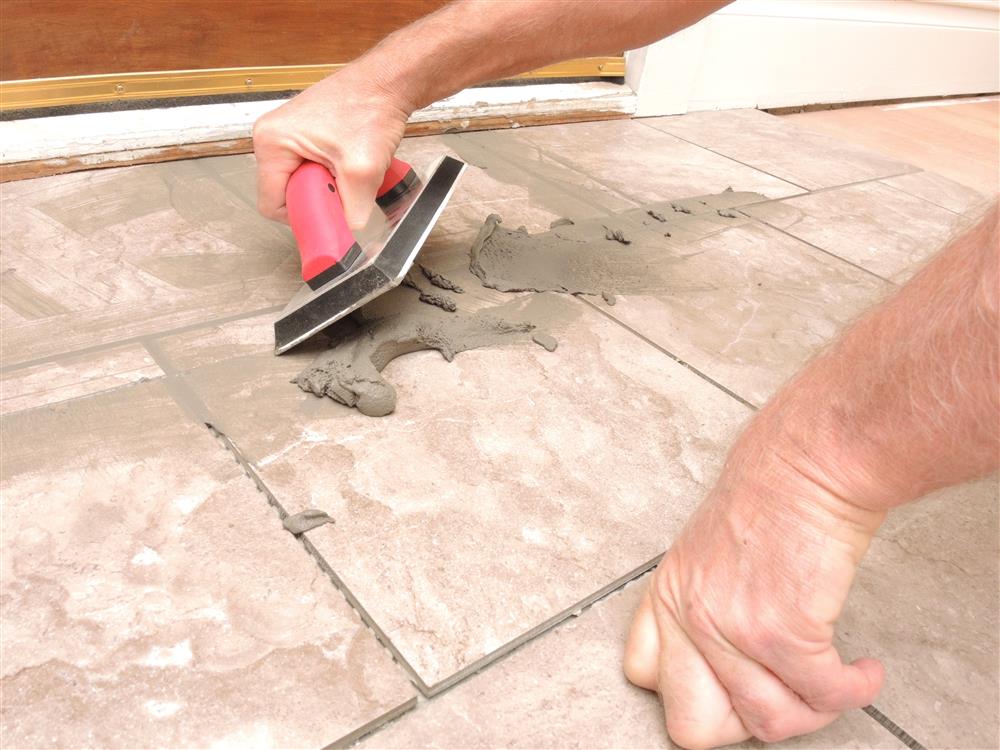
Installation and maintenance differ between sanded grout versus unsanded applications. Sanded grout installation involves pressing the granular mixture into joints using a float, then cleaning excess from tiles. Sanded grout dries harder and faster. Unsanded grout requires more careful application to avoid scratching tiles, and needs immediate cleanup to prevent haze on surfaces. After curing (24-48 hours), both types benefit from sealing.
Sealing fills pores in the grout matrix, preventing water penetration and staining. Sanded grout absolutely requires sealing due to sand’s porosity. Unsanded grout’s smooth finish resists staining better but also benefits from sealing for long-term protection. Regular maintenance involving gentle cleaning with pH-neutral cleaners protects both sanded grout versus unsanded. Avoiding acidic cleaners (vinegar) and abrasive scrubbing prevents damage.
Frequently Asked Questions
Can you use sanded grout in narrow grout lines?
No – sand granules are too large for grout lines under 1/8-inch. Using sanded grout versus unsanded in narrow joints creates an uneven, rough appearance and may not fill properly. Unsanded grout’s smooth consistency works properly in narrow spaces.
Will unsanded grout work on shower floors?
Not recommended. Shower floors receive foot traffic and moisture exposure. Sanded grout versus unsanded should clearly favor sanded for durability. Unsanded grout isn’t strong enough for this application and would deteriorate quickly under traffic and water exposure.
Why is unsanded grout so much more expensive?
Unsanded grout uses expensive polymers and additives to create its smooth texture and low-shrink properties. Sand is a cheap bulk filler, so removing it increases cost. The polymer additives command premium prices despite covering a similar square footage.
Grout Selection Guide: Sanded Grout Versus Unsanded
Making the right choice between sanded grout versus unsanded ensures beautiful, durable tile installations. Measure your grout line width – that’s the starting point. Wider joints (1/8-inch+) demand sanded grout. Narrow joints (under 1/8-inch) need unsanded. Consider tile type – delicate surfaces require unsanded to prevent scratching. Assess the location – floors need sanded’s durability; walls are fine with unsanded. Compare cost with expected lifespan – sanded costs less initially and lasts longer, providing better value for permanent installations. When choosing sanded grout versus unsanded, let the specific project characteristics guide your decision rather than defaulting to one option. Proper selection ensures your tile work looks great and lasts decades.

