

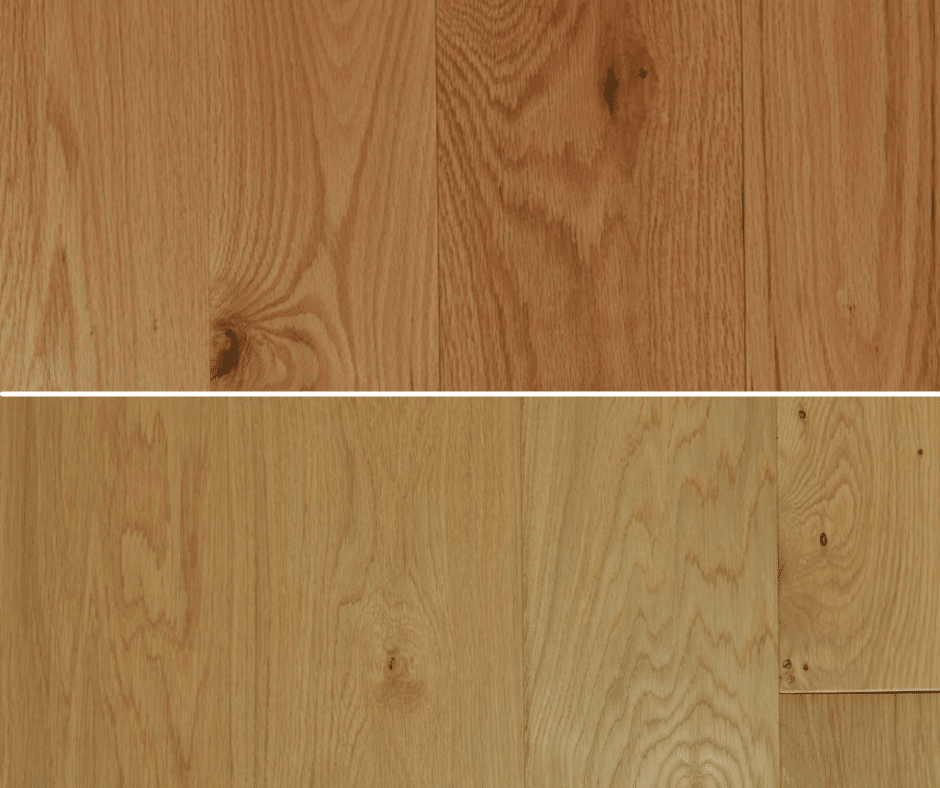
Understanding white oak vs red oak matters for anyone choosing hardwood for flooring, furniture, cabinetry, or outdoor projects, since these two species look similar but behave very differently. The white oak vs red oak decision affects water resistance, wear performance, grain appearance, and cost in ways that can make or break a woodworking project. Getting the white oak vs red oak choice right saves money, prevents warping and rot, and delivers the aesthetic and durability the finished piece needs to last for generations of everyday use.
Table of Contents
What Is White Oak?
White oak (Quercus alba) is a dense North American hardwood known for its tight grain, olive-gray to light brown color, and exceptional resistance to water and rot. Its pores are naturally blocked by tyloses, small crystalline structures that make the wood essentially impervious to liquid penetration. This unique property makes white oak the traditional choice for wine and whiskey barrels, boat building, outdoor furniture, and exterior architectural millwork where wood must withstand moisture without absorbing damaging water into its cellular structure.
As described in Britannica’s entry on the white oak species, white oak trees grow across the eastern United States and can live for centuries, producing massive, high-quality timber. In the white oak vs red oak comparison, white oak commands a premium price because of its superior durability and versatility. Its Janka hardness rating around 1,360 gives it excellent wear resistance for high-traffic flooring, cabinetry, and furniture pieces intended to last a lifetime of daily use.
What Is Red Oak?
Red oak (Quercus rubra) is another popular North American hardwood distinguished by its more open grain pattern, pinkish-red to light brown color, and highly visible ray flecks. Unlike white oak, red oak has open, unblocked pores that make the wood porous enough to blow air through the end grain. This porosity means red oak absorbs water readily and cannot resist rot or moisture the way white oak does, limiting its use to indoor applications where humidity control keeps the wood stable.
In the white oak vs red oak market, red oak dominates domestic hardwood flooring production because of its lower cost, wide availability, and warm color. Red oak has a Janka hardness rating around 1,290, only slightly softer than white oak, making it equally durable for indoor floors and furniture. Red oak’s distinctive rosy tone and prominent grain give it a traditional American look prized in Craftsman, Mission, and Colonial style furniture and interior architectural woodwork across many decades.
White Oak vs Red Oak: Key Differences
The most important white oak vs red oak difference is water resistance. White oak’s tyloses-blocked pores make it essentially waterproof, suitable for outdoor use, cooperage, and marine applications. Red oak’s open pores absorb water rapidly, restricting it to indoor use where moisture is controlled. Beyond water resistance, color, grain pattern, hardness, and price all differ enough to make each species better suited to specific projects. Choosing correctly requires matching wood properties to project demands and long-term environmental exposure.
| Feature | White Oak | Red Oak |
| Scientific Name | Quercus alba | Quercus rubra |
| Color | Olive-gray to light brown | Pinkish-red to warm brown |
| Pore Structure | Blocked by tyloses (waterproof) | Open pores (absorbent) |
| Water Resistance | Excellent (rot resistant) | Poor (rots when wet) |
| Janka Hardness | ~1,360 lbf | ~1,290 lbf |
| Grain Pattern | Tighter, more uniform | Open, prominent ray flecks |
| Typical Cost | 20-30% premium over red oak | Lower cost, widely available |
| Best Applications | Barrels, boats, outdoor furniture | Indoor flooring, cabinets, furniture |
| Stain Uptake | Even, controlled absorption | Blotchy on some stains |
| Common Uses | Wine casks, whiskey barrels, decking | Traditional American hardwood flooring |
Appearance and Grain Differences
Visual distinction in the white oak vs red oak comparison starts with color. White oak displays cooler tones, ranging from pale gold to olive-gray to medium brown, aging gracefully to a warm honey color over years. Red oak shows warmer, pinker undertones with a rosy cast that some designers love and others avoid. Under stain, white oak accepts color evenly and produces predictable finishes, while red oak’s open pores sometimes create blotchy or uneven results with certain stain products.
Grain pattern also differs noticeably. White oak has tighter, more uniform grain with prominent medullary rays that produce the beautiful “quartered” pattern prized in Arts and Crafts furniture. Red oak displays coarser grain with dramatic ray flecks and prominent open pores that create a more rustic, textured appearance. In the white oak vs red oak aesthetic decision, choosing between these two styles depends on the overall design language of the room and personal taste in wood grain visual character.
Applications and Best Uses
White oak excels wherever moisture is a factor. Outdoor furniture, boat decking, whiskey and wine barrels, exterior doors, and pergolas all benefit from white oak’s superior water resistance. White oak flooring performs exceptionally in kitchens, bathrooms, and mudrooms where spills happen. In the white oak vs red oak selection process for demanding environments, white oak’s premium price is easily justified by its longer service life and lower maintenance needs over the decades of use it will provide.
Red oak dominates indoor hardwood flooring, cabinetry, dining tables, doors, and moldings across American homes. Its lower cost, warm color, and traditional appearance suit most residential applications where moisture is not a concern. In the white oak vs red oak flooring market, red oak accounts for the majority of installations because of the price advantage and classic American aesthetic. Reserve red oak for indoor use only – never install it outdoors, use it in wet areas without protection, or apply it in humid climates.
Cost and Availability
Price differences shape the white oak vs red oak buying decision for budget-conscious buyers. White oak typically costs 20-30 percent more than red oak per board foot at lumberyards and hardwood flooring dealers. This premium reflects white oak’s superior durability, water resistance, and versatility in more demanding applications. For large flooring projects, the price differential can amount to several thousand dollars, making the choice financially significant beyond simple aesthetic preference in home design.
Both species are widely available at hardwood dealers throughout the eastern and central United States. Red oak enjoys slightly wider distribution because of its higher production volume and lower cost. In the white oak vs red oak availability picture, custom orders and specific grades (quartersawn, rift sawn, character grade) may require special ordering with extended lead times. Discuss project requirements with your supplier early to confirm availability and pricing for both species before finalizing your project plans.
Frequently Asked Questions
Is white oak vs red oak better for kitchen flooring?
White oak is generally the better choice for kitchen flooring because its water-resistant properties handle spills, humidity, and moisture better than red oak. Modern polyurethane finishes protect both species reasonably well, but any water penetration through the finish reaches raw wood where white oak resists damage far better than red oak. For kitchens, the extra investment in white oak flooring pays dividends over the decades of use.
Can I mix white oak vs red oak in the same room?
Mixing species in the same visible space is not recommended because their color and grain differences remain visible even under stain. If you must repair a red oak floor with white oak (or vice versa) because matching material is unavailable, use it in less prominent areas or as inlay pattern. The visual mismatch tends to bother most homeowners after installation and is difficult to hide with stain alone.
How do I tell white oak vs red oak apart in the store?
Look at the end grain – red oak shows open pores visible to the naked eye, while white oak’s end grain appears solid because tyloses block the pores. Color also helps: red oak has pinker warm tones, while white oak shows cooler gray-brown coloring. If uncertain, ask the salesperson to show samples of both species side by side so you can compare wood grain, color, and end grain patterns directly.
Choosing the Right Oak for Your Project
The white oak vs red oak choice comes down to environment, aesthetics, and budget. Outdoor projects, water-exposed areas, and applications demanding maximum durability call for white oak despite the premium price. Indoor flooring, cabinets, and furniture with controlled humidity can safely use red oak while saving money and delivering the warm classic American look many homeowners prefer for traditional home design.
Consider the full lifecycle cost when comparing white oak vs red oak options. White oak’s higher initial cost is offset by longer service life, especially in demanding environments. Red oak’s lower cost delivers excellent value in low-moisture indoor settings where its limitations do not matter. Whatever oak you choose, both species produce beautiful, durable results when matched appropriately to project requirements and installed with proper finishing and ongoing care over their many years of use.

