

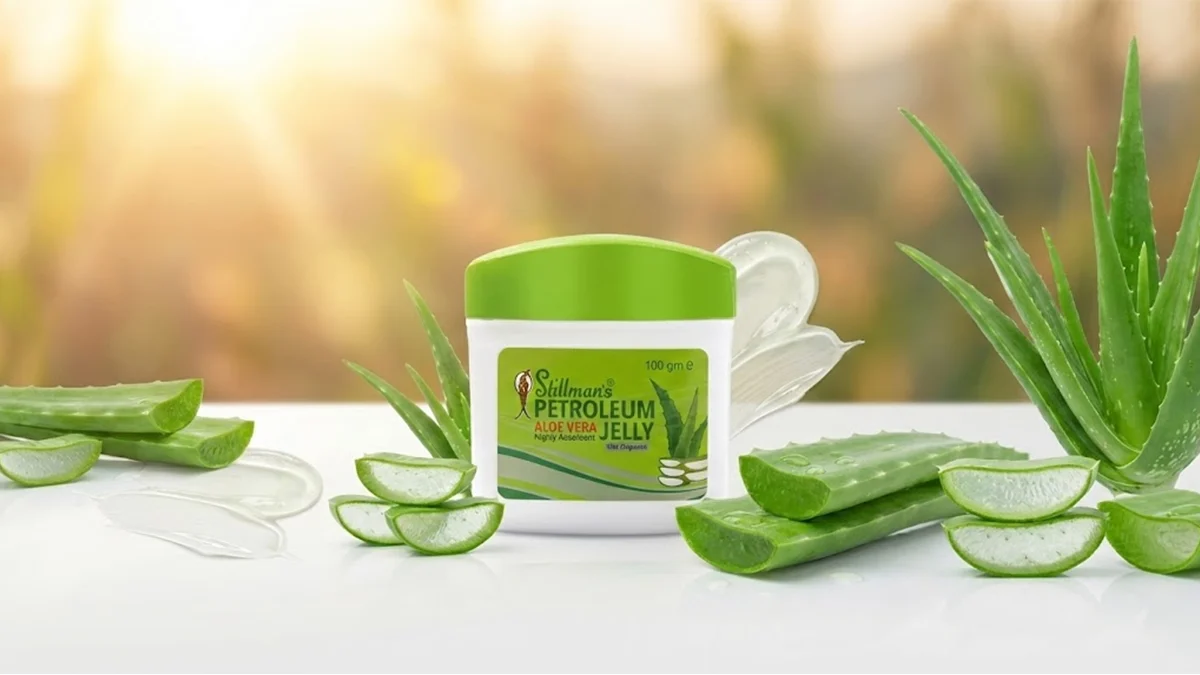
Shoppers often ask whether petroleum jelly or vaseline are the same thing, since the terms show up interchangeably on product labels and in everyday conversation. The petroleum jelly or vaseline question has a simple answer: Vaseline is a specific brand of petroleum jelly, while petroleum jelly is the generic product category. Sorting out petroleum jelly or vaseline helps you buy the right product for your skincare, first aid, or household needs without paying extra for brand recognition when a generic works just as well.
Table of Contents
What Is Petroleum Jelly?
Petroleum jelly is a semi-solid mixture of hydrocarbons derived from petroleum refining, forming a translucent, odorless, waxy substance that stays stable across a wide temperature range. Discovered in 1859 by chemist Robert Chesebrough, who observed oil workers using a residue from oil drilling equipment to heal cuts, petroleum jelly quickly became a household staple. The material creates an occlusive barrier on skin that traps moisture underneath, making it useful for dry skin, minor wounds, chapped lips, and countless everyday personal care applications.
As detailed in Britannica’s overview of petroleum jelly, the substance is purified through a distillation process that removes impurities and darker compounds, leaving the familiar clear or white product. In the petroleum jelly or vaseline landscape, the generic petroleum jelly product must meet the same purity standards as branded versions when sold for cosmetic or medical use, though quality can vary between manufacturers depending on refining depth and quality control practices.
What Is Vaseline?
Vaseline is a brand of petroleum jelly originally trademarked by Robert Chesebrough in 1872 and now owned by consumer goods company Unilever. The Vaseline brand became so dominant in the petroleum jelly market that many consumers use “Vaseline” as a generic term for any petroleum jelly, similar to how “Kleenex” refers to all tissues or “Xerox” once referred to any photocopy. Vaseline products undergo a triple-purification process that removes impurities to a stricter standard than required by basic petroleum jelly regulations in most markets.
The Vaseline brand includes multiple product lines beyond original petroleum jelly, including moisturizing lotions, lip balms, and specialty formulations with added ingredients. In the petroleum jelly or vaseline discussion, Vaseline represents both the classic pure jelly product and an entire product family expanding across skincare categories. When people ask about petroleum jelly or vaseline in stores, the branded product costs slightly more than generic equivalents while offering brand trust and consistent triple-purified quality across every jar.
Petroleum Jelly or Vaseline: Key Differences
The petroleum jelly or vaseline distinction is primarily about branding rather than composition. All Vaseline is petroleum jelly, but not all petroleum jelly is Vaseline. Generic petroleum jelly and Vaseline share the same basic ingredient list and provide similar protective benefits on skin. Vaseline distinguishes itself through triple purification, consistent quality control, brand recognition, and product family variety that generic petroleum jelly manufacturers may not match across every jar or tub they produce.
| Feature | Petroleum Jelly (Generic) | Vaseline (Brand) |
| Product Type | Generic product category | Specific brand of petroleum jelly |
| Purification | Basic refining (varies by maker) | Triple-purified process |
| Owner / Origin | Multiple manufacturers globally | Unilever (originated 1872) |
| Price | Lower price point | Slight premium over generics |
| Ingredient List | 100% petroleum jelly (typically) | 100% petroleum jelly (original) |
| Brand Product Range | Usually one basic product | Extensive line: lotion, lip balm, more |
| Quality Consistency | Varies between makers | Highly consistent across batches |
| Availability | Store brands, generic labels | Nearly every drugstore and market |
| Regulatory Standard | Must meet basic USP standards | Exceeds USP purity standards |
| Common Use | Skincare, first aid, lubrication | Skincare, first aid, lubrication |
Common Uses for Both Products
Whether you choose petroleum jelly or vaseline, both products work equally well for most household purposes. Skincare uses include treating dry skin, cracked heels, chapped lips, and irritated cuticles by creating an occlusive layer that seals in moisture. First aid applications include protecting minor cuts, scrapes, and burns from friction or exposure while healing progresses. Petroleum jelly also prevents diaper rash by shielding sensitive skin from moisture in infants and adults with incontinence.
Household uses expand the value proposition for petroleum jelly or vaseline further. The substance lubricates squeaky hinges, removes stuck rings from swollen fingers, polishes leather goods to a soft shine, and protects car battery terminals from corrosion when applied in a thin layer. Many people also use petroleum jelly as a base for homemade personal care recipes, mixing it with essential oils, colorants, or other ingredients to create custom balms, salves, and beauty products at home affordably.
Choosing Between Petroleum Jelly or Vaseline
Budget-conscious shoppers may prefer generic petroleum jelly since store brands typically cost significantly less than Vaseline while providing similar function. For most household and personal care applications, the petroleum jelly or vaseline choice makes no practical difference. Generic petroleum jelly from a reputable retailer meets basic purity standards and performs comparably to Vaseline for creating an occlusive skin barrier, softening dry patches, or serving as everyday first aid ointment across common uses.
For sensitive skin, medical use, or applications near sensitive areas like eyes and lips, some consumers prefer Vaseline’s triple-purified process for extra assurance against trace impurities. Baby care and infant skincare may also favor branded Vaseline for the same reason. In the petroleum jelly or vaseline decision framework, personal preference, budget, and specific application drive the choice – both work well for everyday use, with Vaseline offering incremental purity for peace of mind.
Safety Considerations and Limitations
Both petroleum jelly and Vaseline are considered safe for external use on skin by regulatory agencies including the FDA. However, both products are strictly for external topical use only. Never apply petroleum jelly or vaseline inside the nose, since inhalation of petroleum-based products can cause lipoid pneumonia over long-term exposure. Also avoid using petroleum jelly as a sexual lubricant with latex condoms, since it degrades latex and can cause condom failure that increases pregnancy or infection risk significantly.
Choose only cosmetic or medical grade products when using petroleum jelly or vaseline on skin. Industrial or automotive-grade petroleum products contain impurities unsafe for skin contact. Read labels carefully to verify the product meets USP (United States Pharmacopeia) standards or equivalent international standards for cosmetic use. Store-brand petroleum jelly at pharmacies almost always meets these standards, while unusual products from non-cosmetic channels should be avoided for personal care use on the skin.
Frequently Asked Questions
Are petroleum jelly or vaseline safe on the face?
Both products are generally safe for facial use, particularly for dry skin patches, chapped lips, and around the eye area for makeup removal. However, some people find petroleum jelly comedogenic, meaning it may clog pores and worsen acne breakouts on acne-prone skin. If you have oily or acne-prone skin, use petroleum jelly sparingly on the face and monitor how your skin responds over several weeks of use.
Do petroleum jelly or vaseline expire?
Petroleum jelly and Vaseline have extremely long shelf lives, typically lasting many years without degradation when stored at room temperature away from heat. Products usually carry a “best by” date of about three years from manufacturing, but the product remains safe and effective well past that date if it looks and smells normal. Discard any petroleum jelly that develops off odors or unusual color changes over storage.
Can I use petroleum jelly or vaseline on my baby?
Yes, both products are commonly used for baby skin care including preventing diaper rash and treating dry patches. Choose the purest available product for babies – Vaseline’s triple-purified formulation is often recommended for extra assurance, though a reputable USP-grade generic petroleum jelly works comparably. Always consult your pediatrician before applying any product to sensitive infant skin, particularly on broken or irritated areas.
Making the Right Choice for Your Needs
The petroleum jelly or vaseline question ultimately comes down to whether you value brand assurance and triple-purified quality enough to pay a small premium over generic alternatives. Both products deliver the same core protective function – creating an occlusive barrier that seals in skin moisture and shields tissue from friction and exposure. For most people, generic petroleum jelly performs perfectly well and saves money over time on frequent household use.
Consumers seeking maximum purity for baby care, sensitive skin, or medical applications may find Vaseline worth the slight premium for consistent triple-purified quality. Ultimately, the petroleum jelly or vaseline choice reflects personal preference, budget, and specific use case. Both belong in a well-stocked medicine cabinet, and knowing the difference lets you shop confidently for the product that best suits your needs and budget expectations.

