

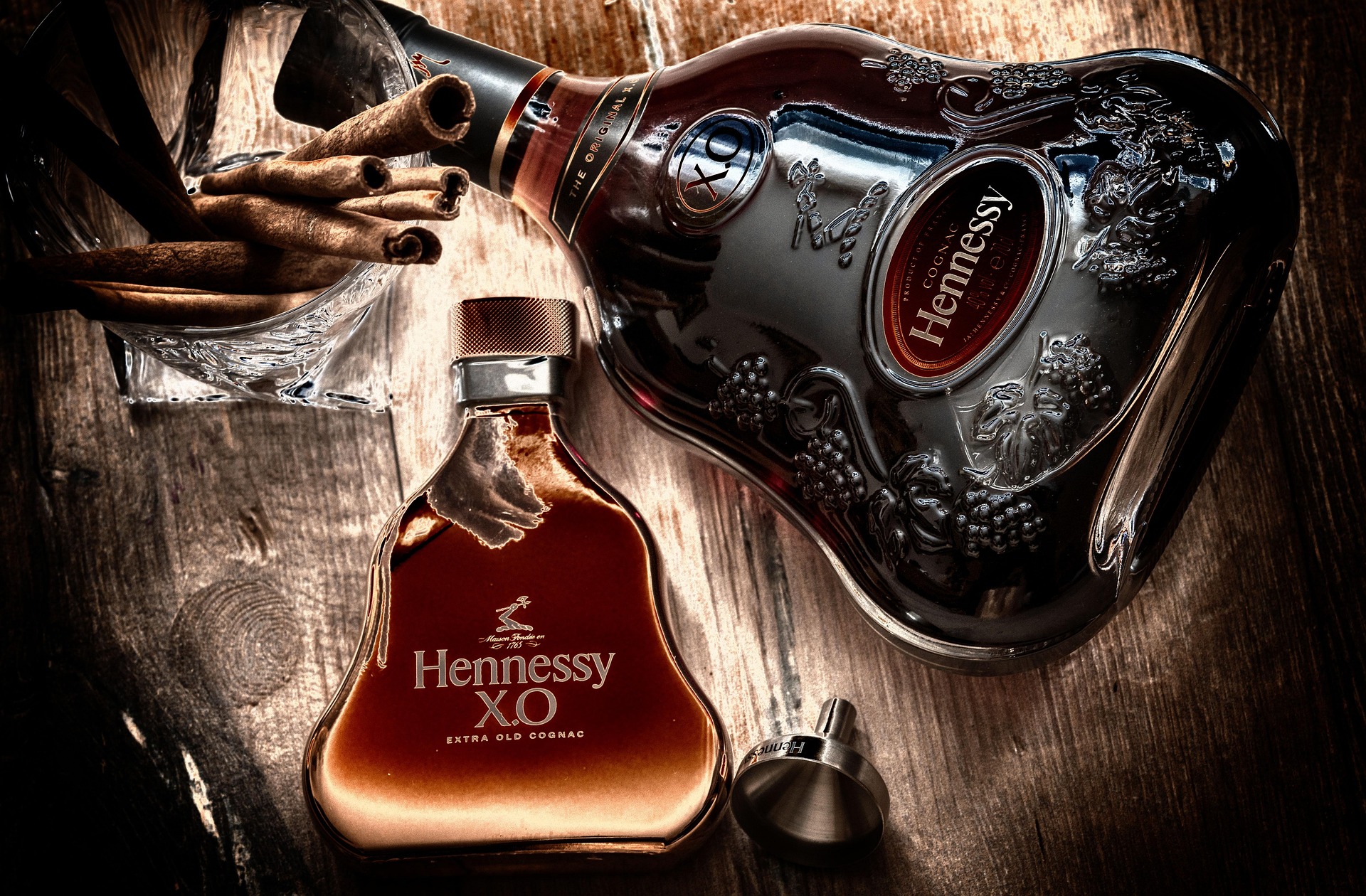
Spirits enthusiasts often conflate brandy and cognac, yet these two categories differ dramatically in origin, production methods, and regulatory oversight. Understanding brandy and cognac distinctions helps consumers select appropriate spirits and appreciate why cognac commands premium pricing. The brandy and cognac relationship is hierarchical – all cognac is brandy, but not all brandy qualifies as cognac, a fundamental distinction that shapes flavor profiles, aging requirements, and price points.
Table of Contents
What Is Brandy?
Brandy is a spirit produced by fermenting and distilling any fruit juice, making it an umbrella category encompassing numerous regional styles and fruit bases. While grape brandy represents the most common variety, brandy production also utilizes apples, pears, cherries, plums, and other fruits to create distinct spirits with unique flavor profiles. Brandy production occurs worldwide, from Spain’s brandy de Jerez to the Balkans’ plum-based Slivovitz to American fruit brandies, creating vast diversity within the brandy category.
In the brandy and cognac comparison, brandy represents the broader category with minimal regulatory constraints. Distillers worldwide can produce brandy using flexible methods and any fermented fruit, creating spirits ranging from young and fiery to aged and complex. The brandy and cognac distinction becomes clear in production flexibility – brandy allows creative freedom while cognac mandates strict adherence to traditional methods and specific grape varieties in a legally defined region.
What Is Cognac?
Cognac is an exclusively French product protected by Appellation d’Origine Contrôlée (AOC) designation, produced only in the Cognac region of southwestern France encompassing Charente and Charente-Maritime departments. Cognac production mandates white grapes – primarily Ugni Blanc (Saint-Émilion) with Folle Blanche and Colombard also permitted – double distillation in copper pot stills, and minimum two-year aging in French oak barrels. Britannica’s cognac guide details how strict AOC regulations ensure production meets France’s exacting traditional standards. These stringent requirements create brandy and cognac distinction that impacts flavor, quality consistency, and pricing.
Cognac represents the apex of grape brandies, with terroir, production methods, and aging creating distinctive characteristics prized by spirits connoisseurs. The AOC regulations ensure cognac meets rigorous standards that differentiate it from generic brandy production. Understanding that cognac uses specific white grapes similar to how Difference between dry wine and sweet wine discusses grape selection helps appreciating how fruit source shapes flavor profiles. In the brandy and cognac hierarchy, cognac occupies the premium tier reserved for spirits meeting France’s exacting traditional standards, making brandy and cognac not competitors but categories at different quality and regulation levels.
Brandy & Cognac Production Differences
Production methodology represents the core brandy and cognac distinction. Cognac mandates double distillation – distilling the wine, then redistilling the result – in copper pot stills using traditional methods. Brandy permits various distillation methods including continuous column stills that operate continuously rather than in batches. The brandy and cognac aging difference is equally dramatic – cognac requires minimum two years in French oak, though most cognacs age substantially longer, while brandy aging varies from immediate bottling to many years depending on the producer’s choice.
| Aspect | Brandy | Cognac |
| Geography | Produced worldwide | Exclusively from Cognac region, France |
| Fruit Source | Any fermented fruit | Only specific white grape varieties |
| Grape Varieties | Not restricted | Ugni Blanc, Folle Blanche, Colombard |
| Distillation Method | Any method allowed | Double distillation in copper pot stills |
| Aging Container | Any container or no aging | French oak barrels mandated |
| Minimum Aging | None required | Minimum 2 years |
| Regulatory Oversight | Minimal regulation | Strict AOC regulations enforced |
| Flavor Profile | Varies by fruit and aging | Complex, elegant, balanced |
| Price Range | Budget to mid-range | Mid-range to ultra-premium |
| Quality Consistency | Variable | Highly consistent |
Brandy and Cognac Flavor Profiles
Flavor differences in brandy and cognac stem directly from production methods and aging practices. Brandies display tremendous variation depending on fruit source and aging duration. Grape brandies are dry and spirited; fruit brandies showcase the specific fruit character – apple brandy emphasizes orchard brightness while plum brandy delivers deep, spiced complexity. Young brandies burn with raw alcohol heat while aged variants smooth into mellowness. Cognac consistently delivers refined, complex flavors – vanilla, oak, stone fruits, and subtle spices – from standardized production and mandatory aging in French oak.
The brandy and cognac flavor distinction reflects their different purposes. Brandies serve various roles from digestifs to cocktail ingredients, each type showcasing its base fruit or origin. Cognac serves as a sipping spirit demanding appreciation for its complexity and elegance. This brandy and cognac differentiation in flavor profile drives the pricing gap – cognac’s consistency and complexity justify premium pricing while diverse brandies appeal to varied preferences and budgets.
Brandy and Cognac Price and Value Comparison
The brandy and cognac price differential reflects regulatory compliance costs and AOC reputation. Cognac commands premium pricing due to strict production requirements, mandatory aging in expensive French oak, and the brand prestige of the Cognac region. Quality cognacs cost significantly more than comparable brandies, sometimes two to three times the price. Conversely, excellent brandies at various price points offer superior value for budget-conscious consumers seeking quality spirits without AOC-driven premiums.
The brandy and cognac value proposition depends on your priorities. Cognac justifies its cost for those seeking consistency, refinement, and prestige authentication. Brandies offer exploration opportunities and exceptional value, particularly aged examples and specialty fruit varieties. Similar to how Difference Between Bourbon and Rye and Difference between Jack Daniels and Bourbon explore regional spirits distinctions, the brandy and cognac decision reflects whether you prioritize regulatory assurance and tradition or affordability and variety. Neither brandy nor cognac represents objectively better choice – it hinges on your personal preferences and budget.
Cognac Classifications and Aging Standards
Cognac uses specific classification systems that brandy does not employ. VS (Very Special) indicates minimum two years aging, VSOP (Very Superior Old Pale) requires four years minimum, and XO (Extra Old) requires minimum ten years aging, with each category’s youngest component determining the classification. These brandy and cognac distinctions allow consumers to instantly understand aging profiles – longer aging indicates fuller, more complex flavors and commands proportional price increases. Brandies lack standardized age classifications outside specific regional systems, making brandy and cognac comparison more straightforward for consumers seeking age-related quality indicators.
The brandy and cognac aging difference reflects their philosophical divergence. Cognac treats aging as mandatory quality driver requiring substantial time in oak. Brandies vary dramatically – some peak young while others improve significantly with age. Understanding brandy and cognac aging approaches helps consumers make informed selections matching their flavor preferences and budget constraints.
Frequently Asked Questions
Is all cognac brandy in the brandy and cognac relationship?
Yes – all cognac is brandy, but not all brandy is cognac. Cognac represents a subset of the brandy category defined by geography, ingredients, and production methods. The brandy and cognac relationship means cognac is a specialized, regulated type of brandy produced only in France using specific grape varieties and distillation methods. Understanding this hierarchy clarifies their distinction and explains why cognac carries distinct identity and premium pricing.
Can brandy and cognac be mixed interchangeably in cocktails?
Technically yes, but it’s generally poor practice for quality cognac. Brandies are commonly used in cocktails like brandies and champagne drinks, leveraging their diverse flavors. Cognac can be mixed but its refinement and high cost make cocktail use wasteful – sipping cognac neat or with minimal dilution better appreciates what makes cognac special. The brandy and cognac difference suggests using affordable brandies for mixing and reserving cognac for straight consumption.
How should I store brandy and cognac to maintain quality?
Store brandy and cognac upright in cool, dark places protected from temperature extremes and direct sunlight, which fades color and degrades flavor. Unopened bottles remain stable indefinitely if stored properly. Once opened, both brandy and cognac oxidize gradually – use within several years for optimal quality. Cork drying can compromise sealed bottles stored longer than 5-10 years horizontally (though many cognacs are meant for long-term cellaring). The brandy and cognac storage approach is identical – cool, dark, upright positioning preserves both types optimally.
Selecting Brandy or Cognac for Your Preferences
Choose brandy when seeking variety, affordability, or specific fruit flavors that appeal to your palate. Explore apple brandies, pear brandies, or regional specialties to discover unique spirits matching your taste. Choose cognac when prioritizing refinement, consistency, and the prestige of AOC authentication, recognizing that premium pricing reflects genuine regulatory compliance and quality assurance. The brandy and cognac selection ultimately depends on your budget, flavor preferences, and whether you value regulatory oversight and tradition.
Whether you choose brandy or cognac, both offer sophisticated sipping experiences when approached with appreciation for their production methods and flavor development. The brandy and cognac distinction enriches your spirits knowledge and enables informed selection from the vast world of distilled fruit spirits available to discerning consumers.

