

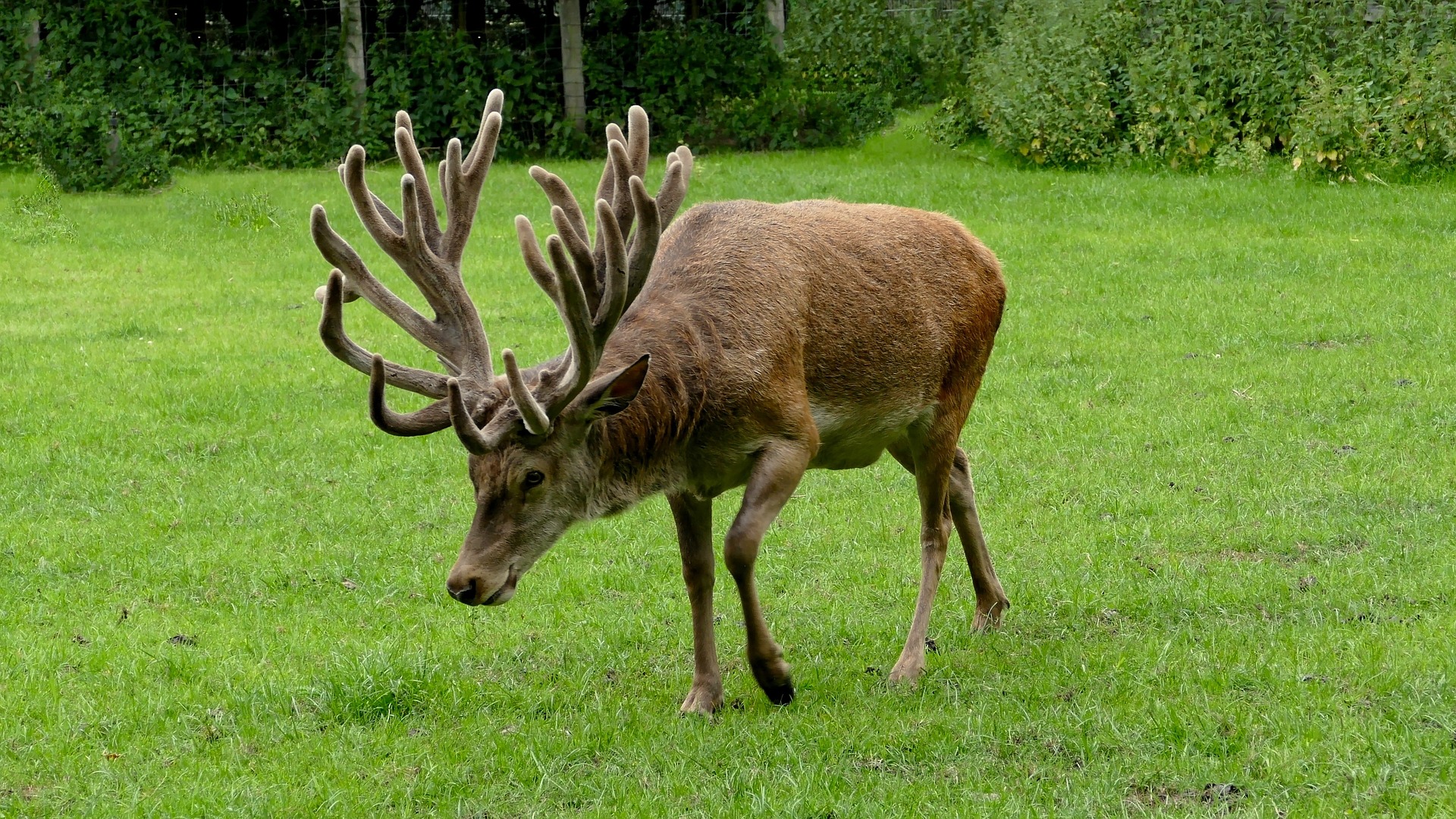
Observing wildlife requires understanding basic animal nomenclature, and knowing bucks and doe terminology helps outdoors enthusiasts communicate clearly about deer sightings. The distinction between bucks and doe represents the fundamental difference between male and female deer, a naming convention that extends across multiple deer species. Learning bucks and doe naming conventions improves your appreciation for deer biology and enables meaningful wildlife discussions with hunters, naturalists, and fellow outdoor enthusiasts.
Table of Contents
What Is a Buck?
A buck is a male deer of most common species, distinguished by the presence of antlers during the breeding season and year-round in some species. Bucks are typically larger and more muscular than female deer, with prominent antler growth that reaches full development during late summer and fall prior to the rut (breeding season). The term “buck” applies to medium-sized deer species including white-tailed deer biology and behavior, mule deer, and similar species found across North America and worldwide.
In the bucks and doe terminology used by hunters and wildlife observers, bucks represent the male population that gets special attention during hunting seasons due to antler growth and rutting behavior. Bucks are known for more aggressive behavior during rutting season when they compete for mating access to does, making them more visible and active than at other times. Understanding buck biology helps observers recognize seasonal behavior patterns and appreciate the dramatic transformations male deer undergo annually.
What Is a Doe?
A doe is a female deer of most common species, smaller than bucks with no antlers in virtually all cases. Does are typically 25-40 percent smaller than bucks of the same species and lack the muscular development bucks display. The term “doe” applies to the same species where bucks are found, creating the bucks and doe naming pair for male and female distinction in most North American deer populations.
In bucks and doe comparisons, does represent the breeding females responsible for fawn production each spring and early summer. Does are more elusive than bucks during non-rut periods, spending their time protecting and raising young fawns. The bucks and doe distinction matters for wildlife management since does comprise the population base responsible for population stability and fawn recruitment that sustains deer herds.
Bucks & Doe Terminology by Species
While bucks and doe terminology applies to most common North American deer, some larger species use different naming conventions. For elk, the male is a bull and the female is a cow, rather than bucks and doe. Moose follow the same pattern with bulls and cows. For smaller deer species like caribou and reindeer, males are still called bulls and females cows. For medium-sized species in other regions, the traditional bucks and doe terminology applies to red deer, fallow deer, and similar species worldwide.
| Deer Species | Male Terminology | Female Terminology | Young Terminology |
| White-tailed Deer | Buck | Doe | Fawn |
| Mule Deer | Buck | Doe | Fawn |
| Elk | Bull | Cow | Calf |
| Moose | Bull | Cow | Calf |
| Caribou/Reindeer | Bull | Cow | Calf |
| Red Deer | Stag | Hind | Calf |
| Fallow Deer | Buck | Doe | Fawn |
| Sika Deer | Stag | Hind | Calf |
| Roe Deer | Buck | Doe | Kid |
Behavioral Differences Between Bucks and Doe
Bucks and doe display significantly different behavior patterns throughout the year, shaped by reproductive cycles and parenting responsibilities. Bucks are solitary or form bachelor groups most of the year but become territorial and aggressive during the rut when competing for mating access. Does are generally more social and less visible, spending considerable time raising fawns during spring and summer months. Understanding these bucks and doe behavioral differences helps observers interpret deer sightings and predict where to find each sex seasonally.
During the rut, bucks are more visible than does due to increased movement and marking territory with rubs on vegetation and scrapes on the ground. Bucks make themselves conspicuous while does attempt concealment to protect newborn fawns. Outside the rut, does remain relatively consistent in their habits while bucks become increasingly withdrawn and cautious, recovering from the physical demands of the breeding season. The bucks and doe seasonal pattern shapes hunting strategies and observation opportunities for wildlife enthusiasts.
Antlers and Sexual Dimorphism
The most visible distinction in bucks and doe comparison is antler presence, though a rare percentage of does can develop antlers. Antlers are a secondary sexual characteristic that develops in mature bucks, growing through spring and summer before hardening for the fall rut. Antler growth varies by species, age, genetics, and nutrition, creating individual variation within the bucks and doe population. The antlers that distinguish bucks are shed each winter in most species, allowing male deer to shed their impressive headgear before regrowing new antlers in the spring cycle.
This annual cycle of antler growth and shedding makes bucks easily identifiable seasonally in the bucks and doe distinction. During late spring through early winter, mature bucks display obvious antlers, while does remain antler-free. After antler drop, distinguishing bucks and doe requires observing other characteristics like body size, muscle development, and head shape, making winter observation more challenging for casual observers.
Frequently Asked Questions
Can doe grow antlers in the bucks and doe animal distinction?
Rarely, a very small percentage of does develop antlers, typically due to hormonal abnormalities or genetic factors. These antlered does are exceptional occurrences and receive significant attention when documented. Most does lack the hormonal triggers that cause antler development in bucks, making antler presence a reliable male indicator for the vast majority of bucks and doe observations.
At what age do bucks develop antlers versus when does remain antlerless in the bucks and doe cycle?
Male deer typically develop their first antlers (spikes or small points) at 1.5-2 years old, though nutrition and genetics influence exact timing. Antler development continues improving through age 4-6 when bucks reach full potential. Does never develop antlers in normal circumstances regardless of age, maintaining the consistent bucks and doe antler distinction throughout their lifespans.
How do hunters use naming conventions in wildlife management?
Hunting seasons often differentiate bucks and doe with separate limits and regulations to manage population balance. Bucks-only seasons protect does, ensuring sufficient breeding females for population sustainability. Combined bucks and doe seasons harvest both sexes in balanced proportions. Understanding this terminology helps hunters comprehend regulations designed to maintain healthy deer populations for future generations.
Observing them in the Wild
Wildlife enthusiasts gain deeper appreciation for deer by understanding their characteristics and seasonal patterns. Learning to identify bucks and doe by antler presence, size, and behavior enriches outdoor experiences and enables meaningful wildlife photography and observation. Season timing influences which sex is visible – they are most active during the fall rut, while does with fawns become more visible in spring and early summer. Tailoring observation times and locations based on bucks and doe seasonal behavior improves the likelihood of productive wildlife viewing.
Whether you’re a hunter, naturalist, or simply enjoying nature, familiarity with bucks and doe terminology and behavior enhances your ability to understand and respect wild deer populations. These remarkable animals display fascinating seasonal transformations and social behaviors that reward patient observation. The bucks and doe distinction represents just the beginning of understanding these beautiful and ecologically important creatures.

