

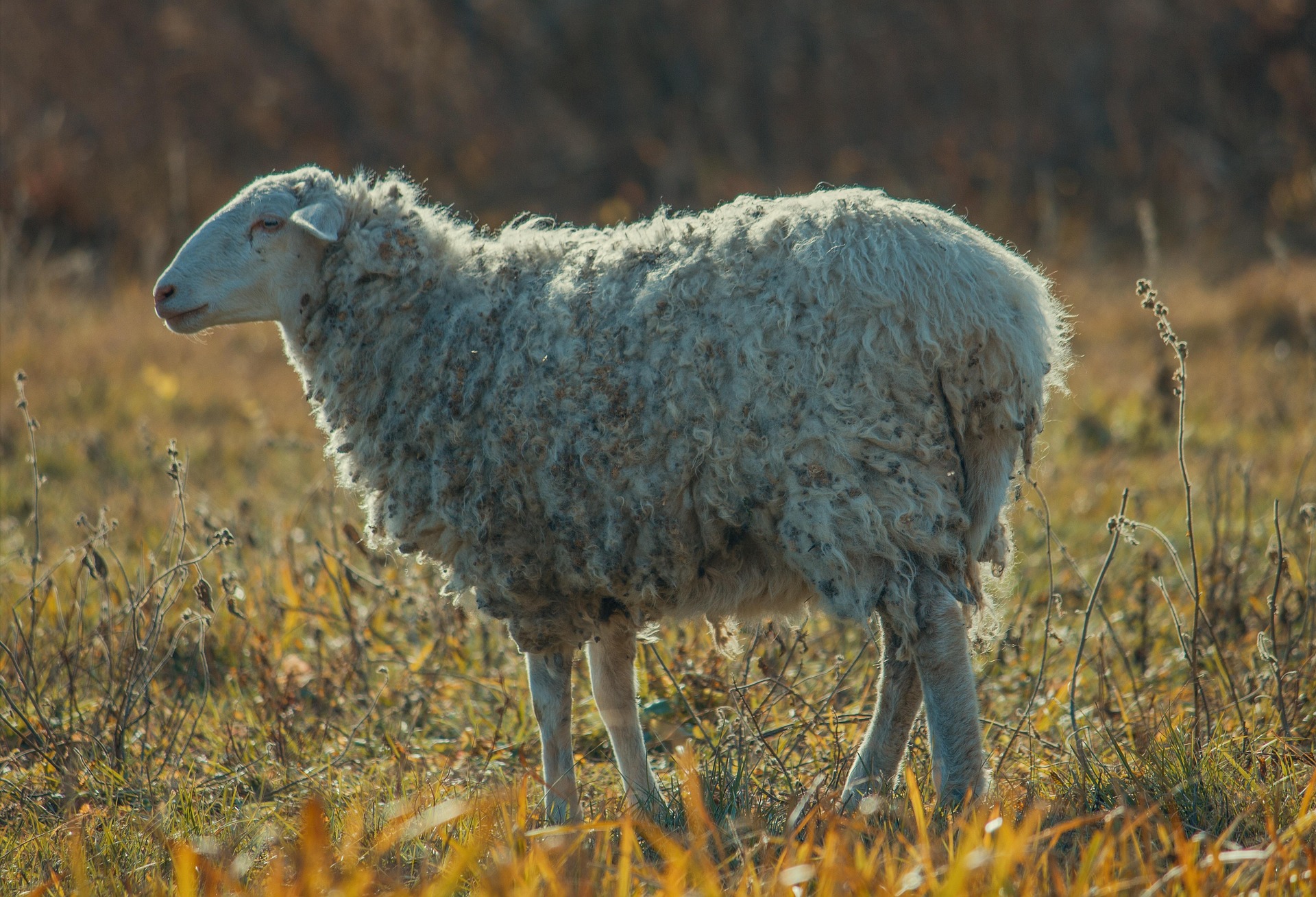
Understanding the actual differences in lamb vs sheep vs mutton comes down to a single factor: the animal’s age at slaughter. Young lamb yields tender, mild meat, while older sheep deliver the deep, gamey flavor characteristic of mutton. This breakdown explains how age changes flavor, texture, and cooking methods so you choose the right cut every time.
Table of Contents
| Category | Age Range | Flavor Profile | Texture | Best Cooking Methods |
|---|---|---|---|---|
| Lamb | Under 12 months | Mild, tender, delicate | Very soft and fine-grained | Quick roasting, grilling, searing |
| Hogget | 12 to 24 months | Rich, slightly gamey | Firm yet tender | Braising, slow roasting |
| Mutton | Over 24 months | Bold, intense, deep gamey flavor | Dense, tough if undercooked | Slow cooking, curries, stews |
What Is Lamb?
Lamb comes from young domestic sheep that are less than one year old. Because the animal is young, its muscle tissues have not worked hard for very long. Consequently, the meat remains remarkably soft and fine-grained.
The flavor profile of lamb is clean, buttery, and subtle. Unlike older sheep, lamb carries a delicate fat profile that melts quickly during cooking. So, if you dislike strong, rustic flavors, lamb is your safest choice at the butcher counter.
In many regions, processors harvest spring lamb between three and five months of age. Milk-fed lambs yield an even milder taste with almost translucent, pale pink flesh. As lambs transition to grass pastures, their flesh turns a slightly darker pink, adding depth to the flavor.
You can prepare classic lamb cuts using high-heat, fast methods. Racks of lamb, loin chops, and boneless legs perform exceptionally well on the grill or in a hot cast-iron skillet. Because the meat is inherently soft, you do not need hours of braising to make it tender.
What Is Mutton?
Mutton comes from a adult sheep, typically over two years old. Most mutton cuts come from female sheep (ewes) or castrated males (wethers) that have reached the end of their wool or milk production cycles.
Because the animal has spent years grazing on pastures, its meat develops a dark red color and a firm, fibrous structure. Furthermore, mature sheep fat contains higher concentrations of branched-chain fatty acids. This chemical shift creates a distinctly bold, earthy, and gamey aroma that fills the kitchen during cooking.
While some modern diners shy away from mutton due to its toughness, traditional food cultures celebrate its rich character. For example, British regional dishes, Caribbean goat-and-mutton stews, and Indian curries rely on this intensity. The strong meat holds up against heavy spices like cardamom, clove, cumin, and chili without being overwhelmed.
Cooking mutton requires patience and low temperatures. Short, high-heat methods will leave the meat chewy and stringy. However, when braised slowly in a covered dutch oven for several hours, the connective tissue converts into rich gelatin, turning tough muscle into succulent bites.
What Is Hogget? The Forgotten Middle Stage
Many shoppers assume sheep meat skips directly from lamb to mutton. However, there is a distinct intermediate stage known as hogget.
Hogget refers to a sheep between one and two years of age. At this point, the animal has lost its milk teeth and sprouted its first pair of permanent incisors. Yet, it has not reached full adult maturity.
Culinary professionals often consider hogget the sweet spot of sheep meat. It offers the best qualities of both worlds: higher tender texture than adult sheep, combined with more flavor complexity than young lamb. It carries enough intramuscular fat to stay juicy during a roast, without the aggressive gamey bite of older mutton.
While popular in the United Kingdom, Australia, and New Zealand, hogget is rarely labeled in North American supermarkets. In the United States, meat from a one-year-old animal is frequently sold simply as mature lamb or packaged straight into ground meat products.
Key Differences: Age, Flavor, Texture, and Processing
Evaluating lamb vs sheep vs mutton reveals distinct differences across processing standards, physical identification, and kitchen performance.
1. Dentition and Joint Anatomy
Butchers do not rely solely on farm birth records to classify carcass age. Instead, they examine teeth and bone structure during slaughter.
A true lamb carcass features a “break joint” on the front leg cannon bone. In young animals, this cartilage growth plate has not yet fused to the bone. During processing, the leg snaps cleanly at this smooth joint.
As the sheep matures past one year, the cartilage hardens into solid bone. When processed, the leg can no longer break smoothly at the cartilage line. Instead, it snaps at a jagged point known as the “spool joint.” Once a spool joint appears, USDA regulations require packers to grade the meat as mutton rather than lamb.
2. Color and Fat Distribution
Color provides an easy visual clue when buying meat at the store. Fresh lamb exhibits light pink to bright red muscle tissue paired with clean, white fat cap edges. The fat stays relatively soft at room temperature.
Mutton presents a much deeper, brick-red or maroon color. The muscle fibers look visibly wider and denser. The fat cap on mutton is thicker, firmer, and noticeably whiter or slightly yellowed due to years of storing beta-carotene from pasture grass.
3. Cooking Behavior and Collagen
The structural protein collagen reinforces animal muscles over time. Because adult sheep spend years walking and grazing, their muscle tissues build thick layers of tough collagen cross-links.
When cooking lamb, you can safely target medium-rare temperatures (130°F to 135°F) for loin chops or leg roasts. The lean tissue remains soft because collagen levels are low.
Conversely, cooking mutton to medium-rare produces a rubbery texture. You must cook mutton slowly past 160°F, eventually reaching 190°F to 200°F internally. At these high temperatures, tough collagen breaks down into soft liquid gelatin, creating rich pan juices and tender meat.
Nutritional Profile: Is Lamb or Mutton Healthier?
Both options deliver exceptional nutritional value, providing rich sources of high-quality protein, essential vitamins, and key minerals. However, their exact nutrient density shifts as the animal ages.
Lamb is naturally rich in essential B vitamins, particularly cobalamin (vitamin B12) and niacin (vitamin B3). It also offers bioavailable heme iron and zinc, which support immune health and red blood cell production.
Mutton contains slightly higher concentrations of minerals like iron and potassium than young lamb. Because older sheep muscle works harder throughout life, it accumulates denser concentrations of myoglobin, the iron-rich protein that gives the meat its dark color. However, mutton also tends to have higher total fat levels unless heavily trimmed by the butcher.
For detailed dietary composition, check the USDA FoodData Central Database to compare raw lamb cuts against mature sheep products.
How to Choose the Right Meat for Your Recipe
Matching the meat to your intended recipe prevents cooking disappointments. Use this practical guide when selecting your cuts:
- Choose Lamb for Quick Meals: Pick rib chops, loin chops, or racks if you plan to grill or pan-sear dinner in under 30 minutes.
- Choose Lamb for Holiday Roasts: A bone-in leg of lamb or crown roast makes a classic centerpiece for spring holidays.
- Choose Hogget for Balanced Braises: Select hogget shoulder when you want rich flavor without heavy grease during slow cooking.
- Choose Mutton for Long Stews: Buy mutton shoulder, shank, or neck cuts when preparing slow-simmered curries, ragùs, or soups.
- Choose Mutton for Ground Meat Recipes: Ground mutton adds intense flavor to shepherd’s pie, kebabs, and meatball dishes when mixed with heavy herbs.
When shopping, ask your local butcher directly about the harvest age of their cuts. Supermarket labels can be vague, but a dedicated butcher can point you toward tender spring lamb or rich, aged mutton depending on what you plan to cook.

